Steppe Runner
Scientific Classification
| Kingdom: | Animalia |
| Phylum: | Chordata |
| Class: | Reptilia |
| Order: | Squamata |
| Family: | Lacertidae |
| Subfamily: | Lacertinae |
| Genus: | Eremias |
| Species: | Arguta |
Will Gladly Eat Straight from Your Hand and Often Curl Up in Your Palm
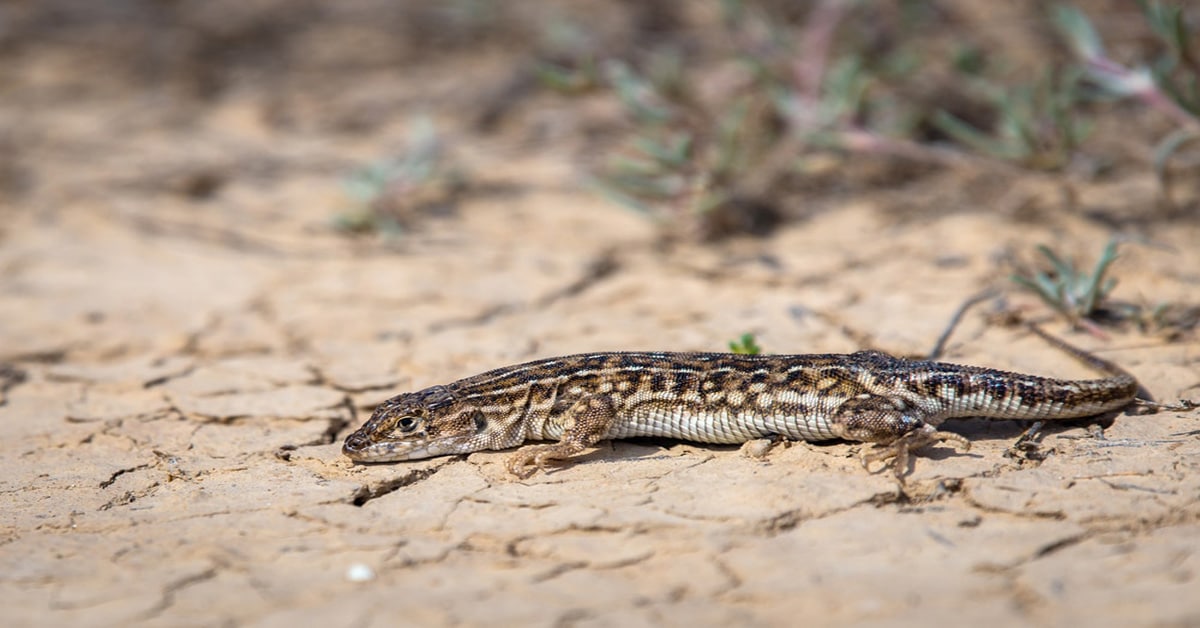
Steppe Runner (Eremias arguta), also known as Racerunner and Arguta inhabit Turkey, N Iran, NE Romania, N Azerbaijan, SW Russia, Armenia, W/E Kazakhstan, Uzbekistan, S Moldova, S Ukraine, Kyrgyzstan, S Russia, Tajikistan, E Georgia, SW Mongolia and NW China.
Anatomy
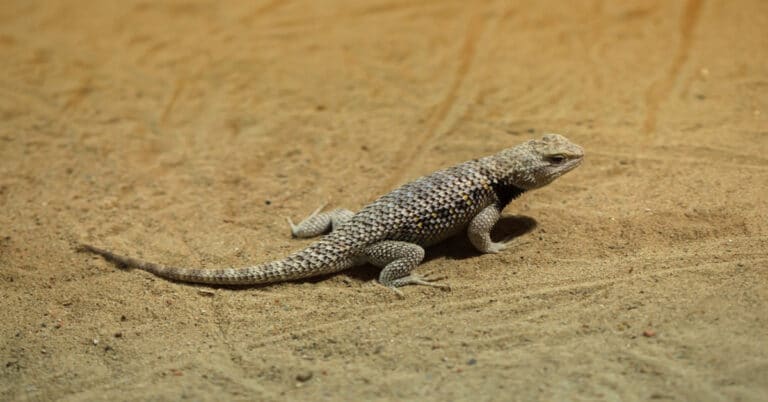
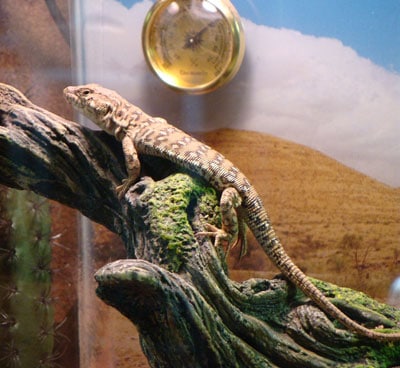
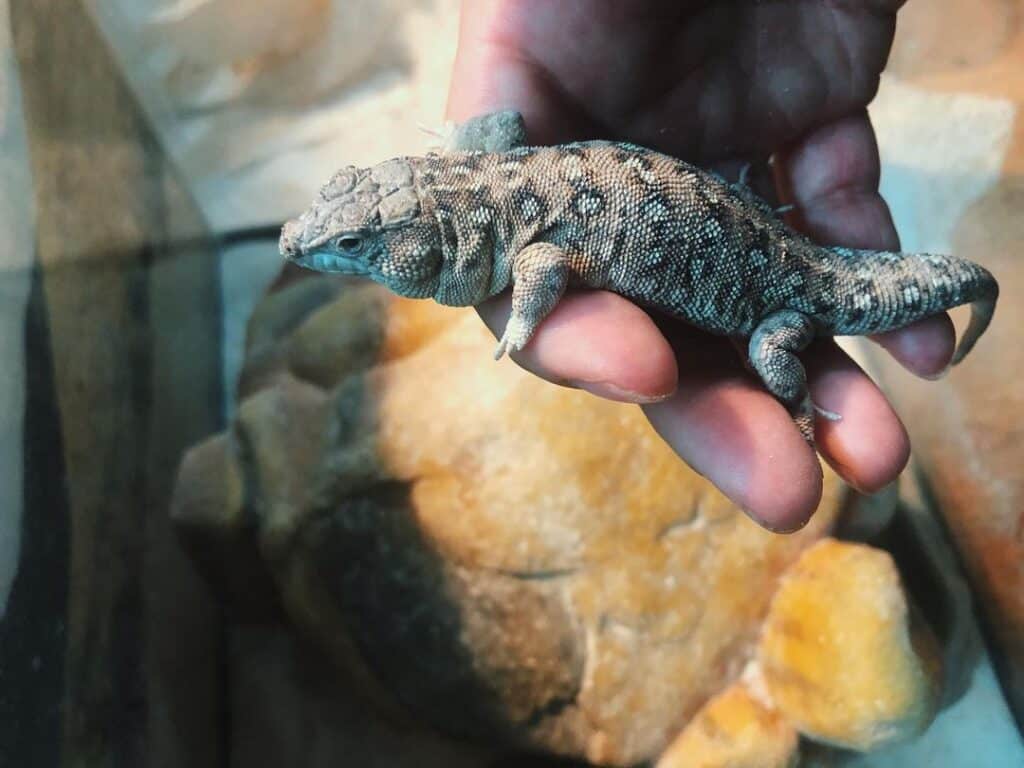
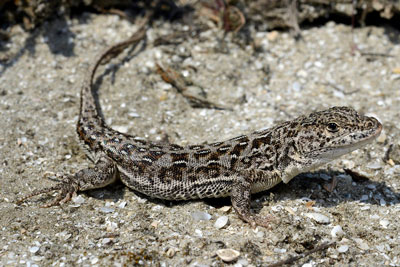
Nearly half the length of the steppe runner lizard represents the well-made tail. The body is slim but looks well-built. When lying on its stomach, the belly may look swollen. They have strong thick necks to support their triangular-shaped head that looks rounded at the nose. They have forked tongues. Small protective crowns cover each eye. In its natural habitat, an adult may attain a length of six inches and may live for almost ten years. So far, no information is available on rearing in captivity.
Natural Habitat
Deserts and grasslands.
As a Pet
Amateurs as well as experienced reptile keepers can easily adopt steppe runner lizard as a pet. It needs special handling, especially the smaller variety of lizards, as they are lively and playful. Unlike most lizards that are shy and difficult to pin down. Steppe runners will gladly eat straight from your hand and these friendly little lizards often curl up in your palm, as they love body warmth.
Housing
A container of 20 gallons is most appropriate. The recommended length of the tank is twice the width of the animal and you must securely cover it with mesh screen. It should have two or three hiding places along with a small reptile cave or something comparable. Other hiding places may consist of tree branches and bushes. There should also be some firmly stacked flat rocks for stretching out. Live plants make excellent furnishings.
Substrate
As the ideal substrate for the terrarium for these steppe runner lizards, you could consider using recycled paper, reptile sand or aspen (shaved, compressed or shredded). You would do well to spot clean the substrate when necessary. Make sure to replace it entirely every quarter. Mopani wood, rocks, slate, logs, hide boxes and other shelters will serve adequately as crevices and hiding places for your pet lizard.
Humidity
Humidity is not critical to these lizards except when they are shedding. You can mist the cages once daily and twice during their shedding time.
Heat and Lighting
These creatures need proper day and night cycles, which you can provide by using the required lamps. Provide UV lamps that help the lizard to intake vitamins and for basking. Make sure that the terrarium has a gradient temperature moving from the basking end at about 100 degrees F under a lamp to about 78 degrees F at the other end. During the night, make sure that temperatures at neither end drop below 70 degrees.
Food and Water
Always make it a point to feed the steppe runner lizard with freshly purchased insects or breed the insects at home to avoid the risk of feeding them with diseased or pesticide ridden insects that, for convenience, you may catch at home. You can feed these lizards with mealworms, crickets and occasionally with wax worms. Dust these insects with calcium and vitamin powders before feeding them to the steppe runner. Water in a shallow bowl should always find a place in the terrarium. Change it daily.
Handling
These steppe runner lizards will take some time to acclimatize themselves to you, and once they settle down, they will feed from your hands. Do not try to grab them, as they seem comfortable to just rest on your palm. Remember not to exceed ten minutes in handling this animal twice a day. Take care to hold the animal as close to the floor as possible so that they do not get hurt if they slip and fall.
Having discovered a fondness for insects while pursuing her degree in Biology, Randi Jones was quite bugged to know that people usually dismissed these little creatures as “creepy-crawlies”.