Inappropriate Urination With Cats
I was visiting home several weeks ago and found myself wandering down memory lane with a family photo album on my lap. In my meanderings, I stumbled across a yellowing portrait of me with my first pet, Snowball the Cat. Snowball is stretched regally across an aqua and purple armchair; I am draped across his back with an impish grin and blonde pigtails.
Snowball did not live with us very long. After a year with us, Snowball took to anointing furniture and walls and the occasional pile of laundry with his own urine. Despite mood-altering medications, food changes, and more than a few lectures from my mother, Snowball persisted in his marking behavior. He ultimately went to go live on a farm somewhere; I haven’t had the courage yet to ask if this is a euphemism or not.
Inappropriate urination is a major concern for cat owners. In fact, it is the most common behavioral problem seen by veterinarians. When we see cats urinating outside their litter boxes, we divide them into the two main categories behavioral problems versus physical causes of inappropriate urination. Behavior problems may include litter box aversion, territorial marking, or a subtle form of bullying in cats known as intercat aggression. The most common physical problem causing inappropriate urination is Feline Lower Urinary Tract Disease (FLUTD), but can also be caused by bladder stones, urinary tract infections or any metabolic problem which increases the amount a cat urinates.
While most owners feel that their cat is having accidents out of “spite”, the only way we can truly diagnose a behavioral problem is to rule out a physical problem. It is extremely important to note that some of the physical causes of inappropriate urination can be extremely serious or even life threatening. If your cat is licking himself excessively, using the litter box more frequently than normal, straining to urinate or vocalizing when he is in the litter box, he should be seen by a veterinarian as soon as possible. Your veterinarian may need to do a urinalysis, blood testing, urine cultures or x-rays to diagnose the cause of his or her urinary tract problems.
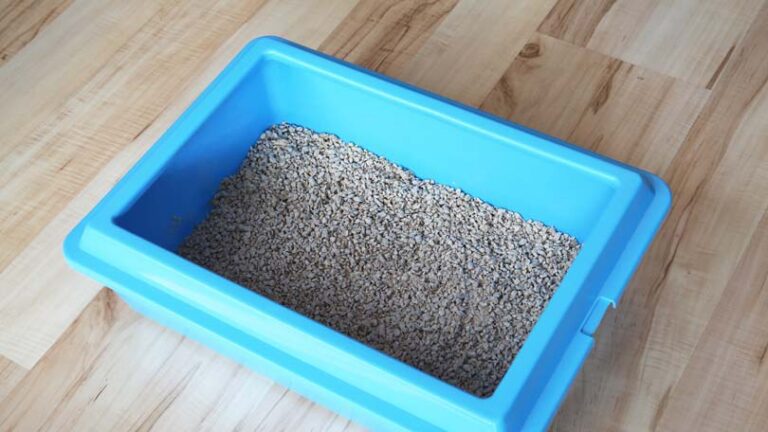
If your cat is having accidents and your veterinarian has ruled out a physical problem, there are some simple things you can do to encourage your cat to use the litter box. It should be kept as clean as possible. Clumping litter should be scooped daily and the boxes should be thoroughly cleaned once weekly. In a multi-cat household, there should ideally be one more litter box than there are cats. If you are going to change the type of litter your cat is using, consider adding another litter box with the new litter to ensure your cat will use it prior to switching all the boxes. The areas where your cat has had accidents should be thoroughly cleaned. You may need to confine your cat away from the areas where he or she has had previous episodes of inappropriate urination.
In the case that your cat continues to urinate outside the litter box and behavior modification has not helped, there are many medications that can help to alter your cat’s elimination patterns. Talk to your veterinarian about the medication options available that could help in your cat’s particular problem.
If your cat is inappropriately urinating, there may be a valid medical reason for his or her accidents. Even if your cat’s problem is behavioral, there are many options available to aid in rectifying the situation. It is important to deal with the problem quickly, as the longer a urination problem goes on, the more difficult it is to correct. With early intervention, you should be able to help your cat get back on the straight and narrow path towards the litter box!
Article supplied by: Dr. Jocelyn Fredlund
Having discovered a fondness for insects while pursuing her degree in Biology, Randi Jones was quite bugged to know that people usually dismissed these little creatures as “creepy-crawlies”.