Green Cheek Conure
A small-sized parrot called the green-cheeked parakeet also known as green-cheeked Conure, scientifically named Pyrrhura Molinae belongs to the genus Pyrrhura a subordinate family arena, of the New World parrots. This Green cheek Conure belongs to the division of the family of long-tail parrots. In aviculture, these varieties of parrots are generally known as Conure. The Green cheek Conure is an inhabitant of the woods of the continent of South America.
Description
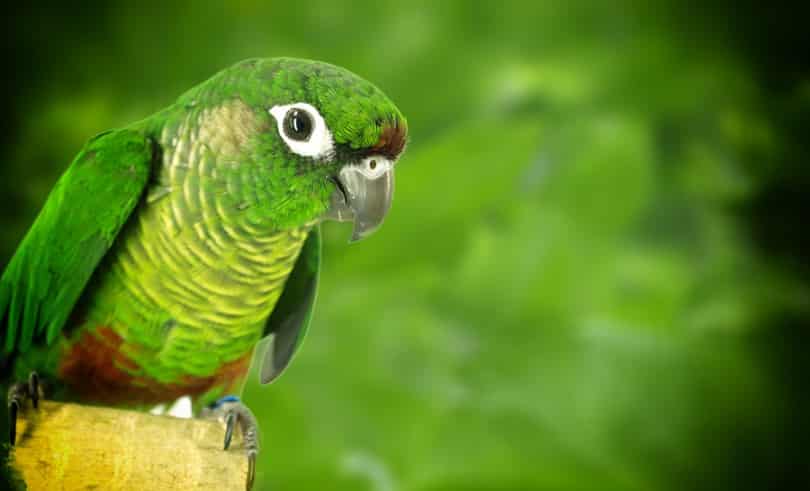
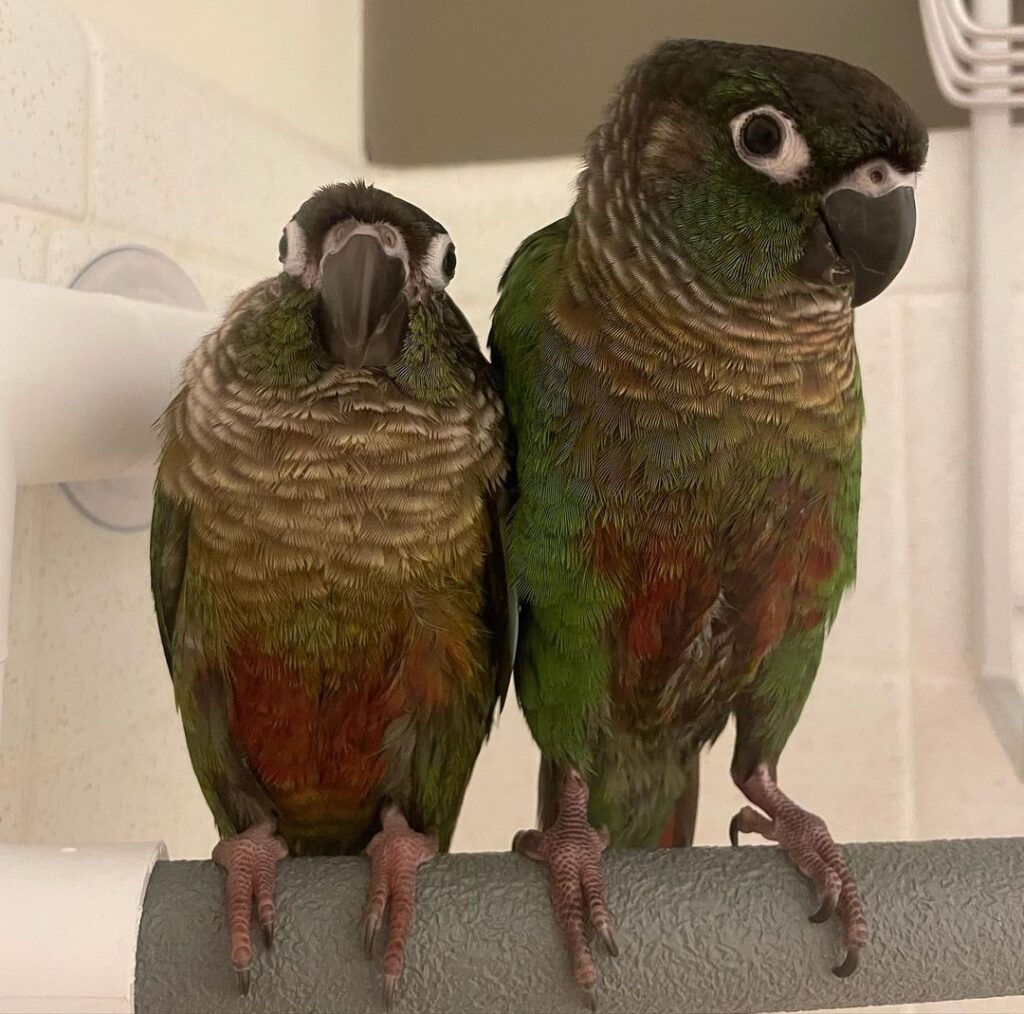
Characteristically the green cheeked Conure has a weight of 60 – 80 g and length of 26 cm (10 in). The main color of this bird is green with green cheeks, the feathers of the primary wings are blue in color, and its crown is gray, black or brown It has white rings in the periphery of its eyes. The tail of this parrot is colored maroon and is pointed and long. Its abdomen is red in color and its breast has short oblique straits. Externally both females and males are indistinguishable by their looks.
Habitat
The Green cheeked Conure has a restricted habitation to the regions of North east, Bolivia, North West Argentina, and Mato Grosso regions of Brazil. This bird normally dwells in or around the wooded territory.
Personality & Behavior
The Green cheeked Conure is a small comedian, forever up to frolics. These parrots are fond of hanging headlong down and screech beside the bars of the cage, inviting their owners to play with them. They are mischievous, therefore always keep watching them. These birds are normally well behaved, so they make good pets for children as their size is adequate for smaller hands to hold them. But bear in mind there is a possibility of any kind of bird to bite and small fingers of children are delicate. Every time be vigilant near your birds as well as children, particularly for the sake of your bird.
Reproduction
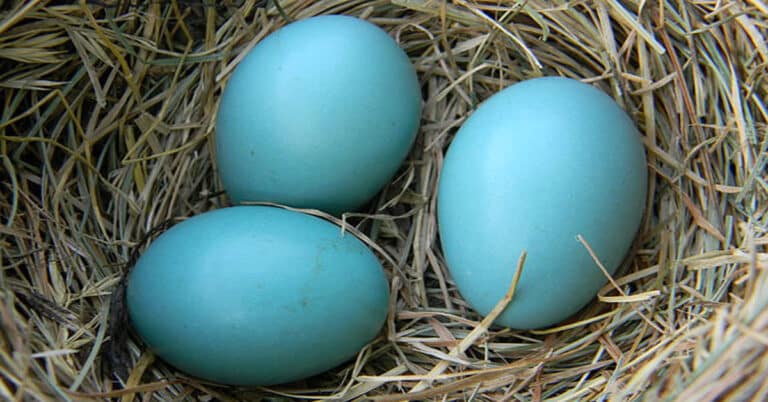
It is not possible to determine the sex of your bird by its outward looks. Even though the plumes of a juvenile bird are paler in color when compared with the adults, their irises are darker; the color of their abdomen is pale maroon. The Green Cheek Conures attain maturity when they are two years old. Normally, the she bird lays around 4 to 6 eggs; the average period of incubation is 22 to 25 days. Normally a clutch is 4 to 6 eggs. The incubation period varies from 22 to 25 days, but normally it is 24 days. These birds are not very picky regarding their box to nest, however, use a box of dimensions of 7” x 7”.
How to Grow at Home
Food
It is important that you feed your green cheeked Conure with a specially manufactured balanced nutritional diet. In addition, provide them with fresh fruits, vegetables and table foods that are healthy. The beaks of these birds are untiring, therefore the Lafeber foods becomes their preference. Lafeber’s Nutri-Berries, Pellet-Berries and Avi-Cakes provide nutritional balance and the bird’s desire to chew on them. With good care, your green cheeked Conure has a possibility of attaining the age of 25 or even more.
Cage
The universal rule is, the bigger the cage, the better it is! Since these birds are small in size the requirement of their cage is not so huge, however, simultaneously, as they are dynamic they are sure to make use of the whole room that you provide. Big cockatiel cages are normally apt. You would do well to go for a cage of at least 16” x 16” x 18” in dimensions; however, it depends on the time the bird is staying in the cage. For instance, if the cage is used only for the bird to sleep, then a smaller cage is sufficient, whereas if the birds that use most of the daytime in the cage require more room.
As a law, it is better to have rectangular or square cage rather than round cage. The birds make better use of the space, and certain birds find it uneasy in round cages.
Care
The green cheeked Conures are notable for their swiftness, and above all loving nature. As these birds are very loving and affectionate to their owners, they require such owners who are capable of spending lots of time with them outside their cages. By daily attending on your bird, a couple of green Conures are sure to justify your faith in having them as pets. In case you do not possess an extra green cheek conjure, you can pair it with a Conure of maroon coloured abdomen, but ensure not to breed them.
Having discovered a fondness for insects while pursuing her degree in Biology, Randi Jones was quite bugged to know that people usually dismissed these little creatures as “creepy-crawlies”.