Acacia Rats
Scientific Classification
| Kingdom: | Animalia |
| Phylum: | Chordata |
| Class: | Mammalia |
| Order: | Rodentia |
| Family: | Muridae |
| Genus: | Thallomys |
| Species: | T. paedulcus |
| Binomial name: | Thallomys paedulcus |
The Rodent, Acacia rats, belonging to the family of Muridae, is comparatively unusual as pets in the UK. Ongoing imports, serving the increasing number of breeders is increasing their popularity. They live for more or less 3 years; some even live for even 5 years. They live either in harmony in colonies in a mixed sex.
Anatomy
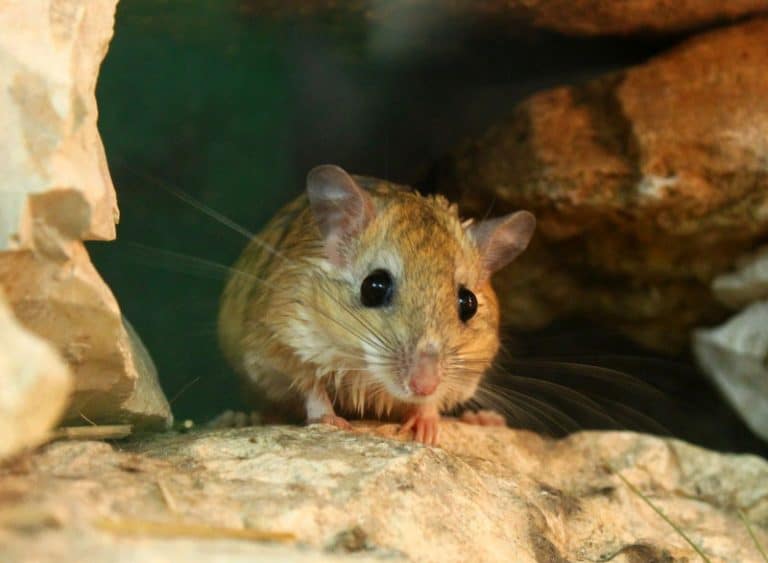
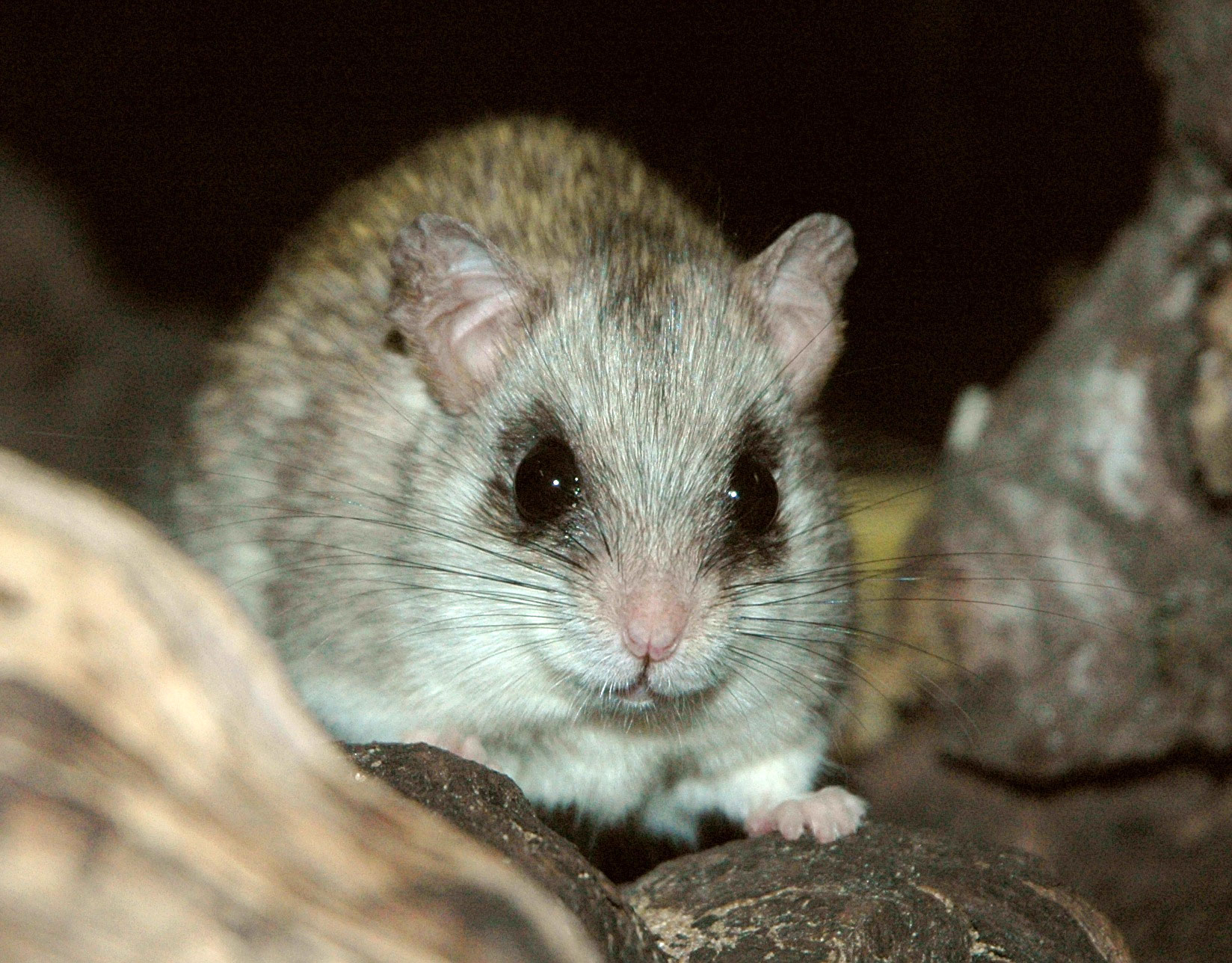
The acacia rats grow to a length of 12 to 16 cm, with a tail of length 13 to 21 cm and of weight 50 to 100 g. These medium size rodents have long tails of brown. Their eyes have a dark black line encircling their eyes that resemble few types of dormice. They have a light gray fur.
Behavior
They are very clever, with a varying personalities, hence you must give them with enrichment or accessories to play with and room to keep them engaged to keep them from getting bored.
Acacia rats make sounds only if they feel threatened, and in that case they scream chattering their teeth.
Habitat
These Acacia rats are seen in Democratic Republic of The Congo, Kenya, Botswana, Ethiopia, Namibia, Africa, Malawi, Swaziland, Mozambique, Tanzania, and Zimbabwe. Their natural habitat is tropical or subtropical dry shrubland.
As a Pet
Breeding
In the wild these Acacia Rats breed during the season from October to May. In custody it is likely to differ, even though certain pet owners claim many litters around Spring time. When they are 9 weeks old they become sexually mature.
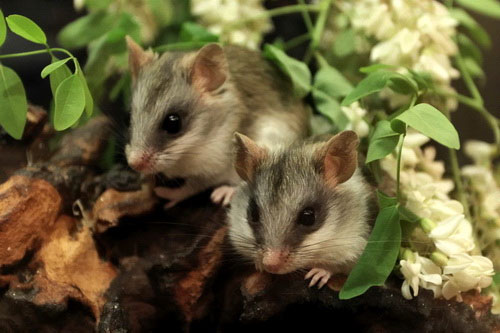
Following a gestation period of almost 24 days, these rodents litter an average of 2 which is less for a rodent. The peculiarity in these acacia rat pups is that they constantly suckle their mother’s nipples even when she moves around the cage. This helps you greatly in examining the pup’s health condition provided your tamed female mother does not mind your handling while they carry the pups.
Housing
Since Acacia rats climb trees and are very active and proficient in climbing; give your pets with a big arboreal cage furnished with sufficient quantity of ropes, branches and other articles for climbing. Avoid any kind of plastic; tubes made of cardboard are fine. Acacia rats are very clever with peculiar personalities, hence furnish them with natural enrichment and room to keep them active. The acacia rat needs a nesting box to store their food and a place to hide. These nesting boxes vary from an old coconut shell to a small wooden box. You get a variety of nesting boxes of your choice from good pet stores.
Food
The diet of the Acacia rat includes a basic mix of seeds, mixed millets, black rape seeds, Niger seeds, linseed, canary seeds, small pine nuts, hemp and Perilla. In addition, fresh vegetables, different type of fruits and insects like mealworms or crickets are good. Occasionally, as a delicacy, pour acacia honey on the fruits. Keep water constantly available for them.
Handling
You can handle and tame them. For those who like to own rodents, this stunning curious creature, the Acacia rat is a good pet.
Having discovered a fondness for insects while pursuing her degree in Biology, Randi Jones was quite bugged to know that people usually dismissed these little creatures as “creepy-crawlies”.