African Ground Squirrel
Scientific Classification
| Kingdom: | Animalia |
| Phylum: | Chordata |
| Class: | Mammalia |
| Order: | Rodentia |
| Family: | Sciuridae |
| Subfamily: | Xerinae |
| Tribe: | Xerini |
| Genus: | Xerus |
Belonging to the Genus xerus, the African Ground Squirrels are taxonomy of squirrels belonging to the minor family Xerinae. The major four classifications of these squirrels fall into the class of 3 sub-genres.
Genus Xerus
Sub-genus- Euxerus
Xerus erythropuys or the Striped Ground Squirrel
(Southern Mauritania, Southwestern Morocco and Senegal)
Sub-genus Geosciurus
Xerus inauris or the Cape Ground Squirrel
(also: South African Ground Squirrel) (South African, Namibia, Zimbabwe and Botswana)
Sub-genus Xerus
Xerus rutilus or the Unstriped Ground Squirrel
(Sudan’s northwest to Tanzania’s northeast)
Anatomy
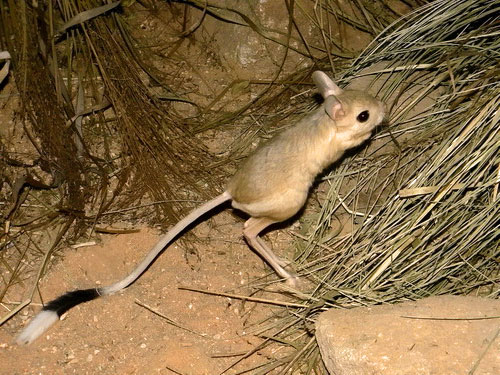
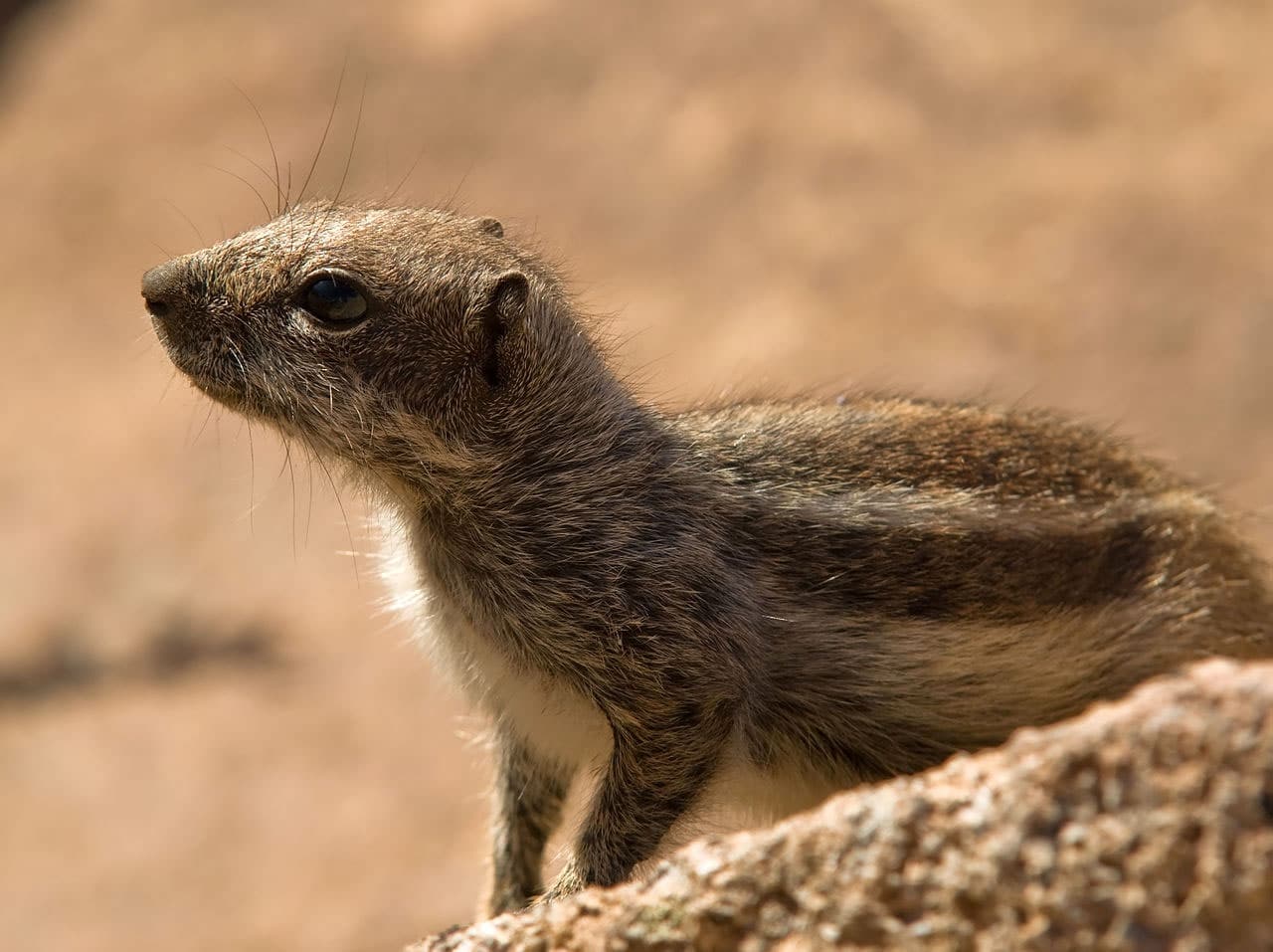
The hair of this African Ground Squirrel is coarse and colored brown to reddish-gray. Its belly is white and buff. Certain varieties do have stripes on their sides.
Behavior
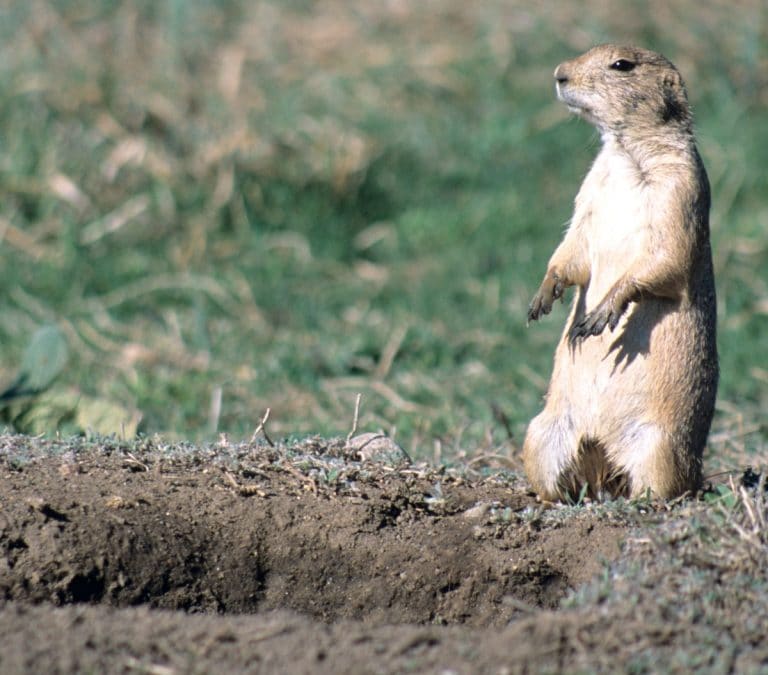
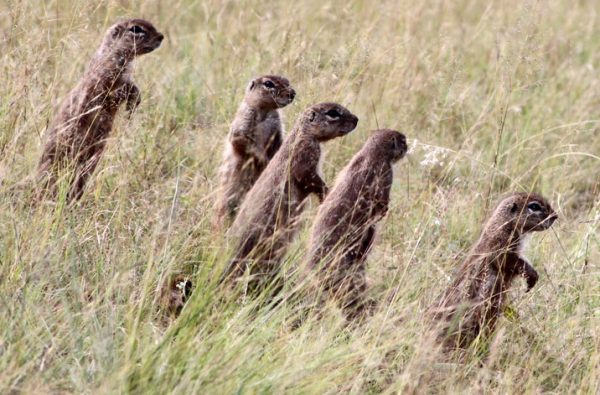
Similar to the North American prairie dog, these rodents live in burrows dug on their own; they are also terrestrial and diurnal. Unlike other rodents, they do not store food or hibernate. These rodents live in groups consisting of 2 to 3 males and 1 to 3 females. They are quite social.
Habitat
We find them only in Africa. You can see them in grasslands, open woodlands or rocky countries. They are terrestrial and diurnal, dwelling in burrows. You can see the South African Ground Squirrel mainly in Botswana, Zimbabwe, South Africa and Namibia. Their dwelling place is often arid country locations of sandy areas where they dig burrows to communicate. Normally these areas are open woodlands.
As a Pet
Breeding
South African Squirrels do not have a specific breeding time; still we see only some litters on the ground from July until October. The gestation period is 48 days. You can wean the babies after 52 days. In a litter, they yield 1 to 3 babies. The males mature in about 8 months, whereas a female takes 10 months to become sexually mature. A female can breed right through the year, still only 10% of then reproduce in excess of one litter a year.
Housing
The ideal cage for the African ground squirrel is the one designed for average – size animals similar to the chinchillas or prairie dogs. The other requirements are care fresh bedding, water bottle, food dish and for nesting they need a wooden hid out. Remember to discard the unused food daily and thoroughly clean the food bowl.
Food
African Ground squirrels are principally vegetarians, their diet comprises of 80 -100% plants. The rest of their food consists primarily of insects. Rather than preying on insects Richardson ground squirrels nibble on meat, which is easily available from road accident victims. Richardson’s ground squirrels chiefly feed on seeds, flowers and leaves, the geographical features determine the exact variety of vegetation in their diet. Today it is not possible to ascertain the preferred and natural diet of these ground squirrels, because the human practices of agriculture have destroyed a great measure of the native prairie.
Handling
Those who have an African ground squirrel as a pet must take the important responsibility of taking care of the animal all their life. You cannot leave them to return to the wild for a successful living because they survive only in the family unit where you reared them.
Having discovered a fondness for insects while pursuing her degree in Biology, Randi Jones was quite bugged to know that people usually dismissed these little creatures as “creepy-crawlies”.