Harvest Mice
Scientific Classification
| Kingdom: | Animalia |
| Phylum: | Chordata |
| Class: | Mammalia |
| Order: | Rodentia |
| Superfamily: | Muroidea |
| Family: | Muridae |
| Subfamily: | Murinae |
| Genus: | Micromys |
| Species: | M. minutus |
| Binomial name: | Micromys minutus |
The harvest mouse, Micromys minutes, the tiny British rodent is to a great extent inconspicuous to the human eye. It is natural to small habitats, not ideal at all times, although adaptable, highly opportunistic and intelligent. Harvest mice are diurnal; still they are very active at dusk and dawn. Quite different from the dormouse, they do not hibernate, but you will find them underground most of the time in winter.
Anatomy
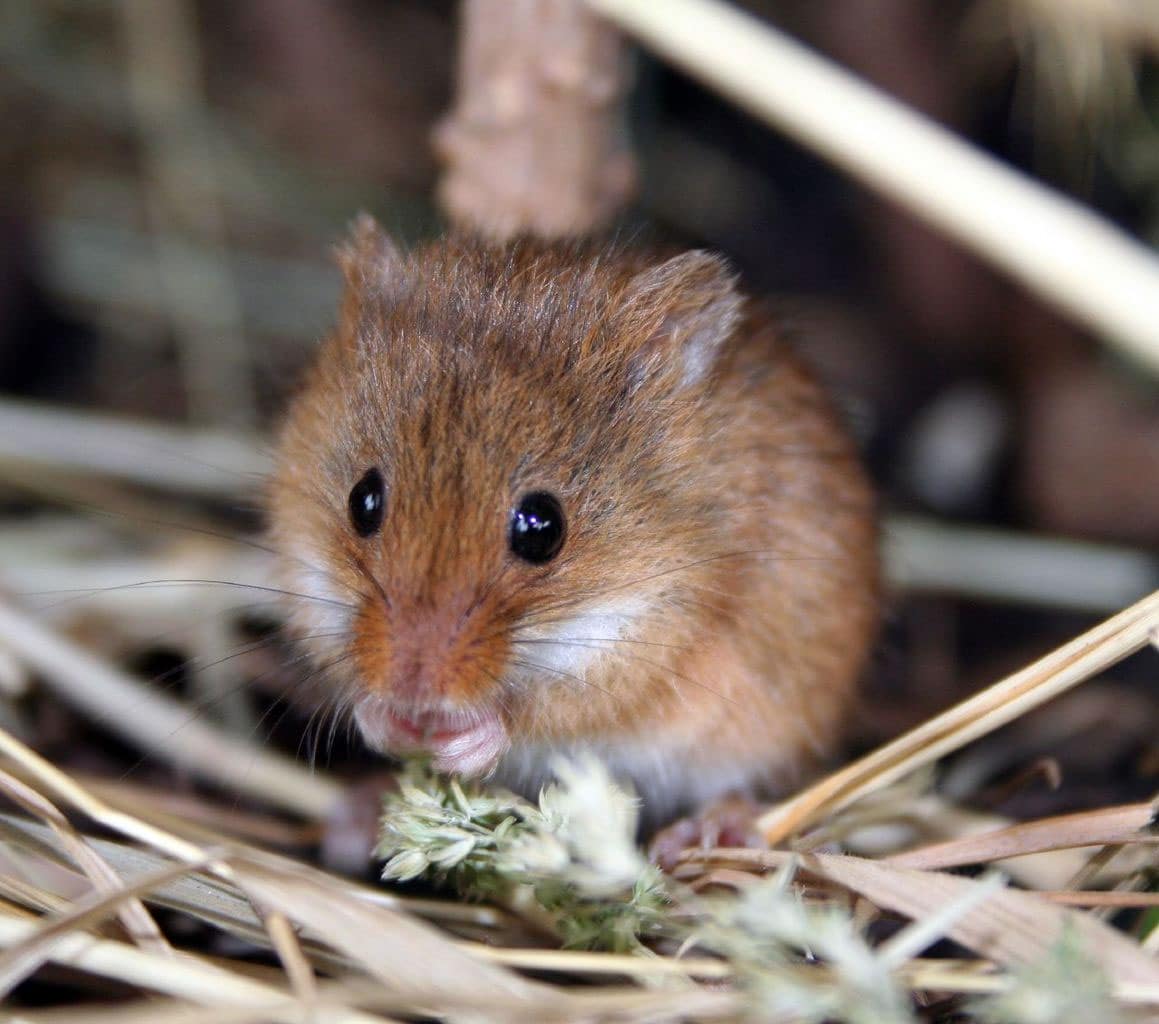
Contrary to the other varieties of the British mice their nose is blunt, eyes small and ears with tiny hairs and comparatively smaller; their tail is prehensile, of length equal to the head and body fur is russet orange and underside white.
Size 50-70 mm, Weight: 4-6 kg
Behavior
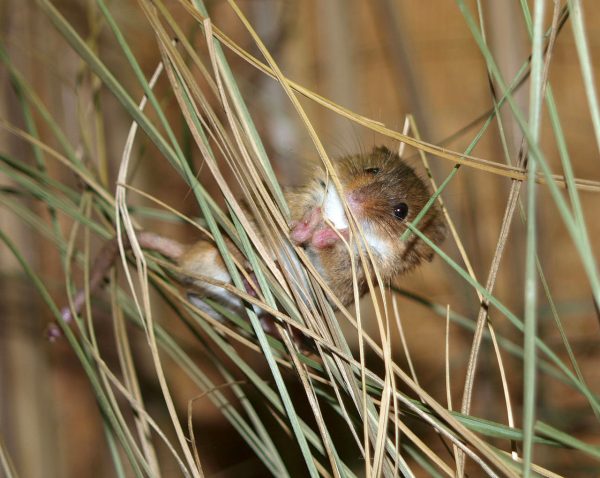
Harvest mice are very good at climbing; they feed themselves with reeds and long grasses in the stalk zone specifically at dawn and dusk. They are very sharp in hearing and quick to react. The warm-blooded harvest mice need high energy to cope with their high surface to volume ratio.
Habitat
We chiefly find harvest mice towards the South of Central Yorkshire. The release of animals kept in captivity has generated isolated reports of their presence in Scotland and Wales. Regions with tall grass such as roadside verges, reed beds, cereals, rows of hedges, salt marshes and dykes are habitats convenient for them to build nests.
As a Pet
Breeding
In the midst of May and October these harvest mice normally litter two or three times a year in the wild. And if the weather is calm they litter even in December. August is the peak time for litter. The death toll increases in wet and cold weather. Each litter consists mostly of six young ones. At birth the young ones do not have hair and vision. They grow fast and survey out of the nest by the eleventh day. After almost sixteen days the young ones are on their own, but persist in using the nest, which by then appears shabby. For every litter, they build a new nest.
Housing
They also survive in man-made cages of glass and mesh or plywood of a right size for important studies of miniature population. One uses an aquarium or terrarium to house them. An additional heat source is not required. The harvest mouse is an agile climber; hence it is ideal to use conveniently tall tanks. A lid made of mesh is essential.
Food
Their diet consists of a fair assortment of insects, seeds and berries. Fungi, moss and roots are also good. Harvest mice at times, feed on cereal heads, leaving behind distinctive sickle shaped left overs. There are no reports of serious destruction of cereal crops. They take an interest in exploring, and therefore, in the summer, try giving them a cutting of bramble, seeding grass head or Hogweed head if you can, although these are not a necessity for their survival.

Having discovered a fondness for insects while pursuing her degree in Biology, Randi Jones was quite bugged to know that people usually dismissed these little creatures as “creepy-crawlies”.