Gerbils
Scientific Classification
| Kingdom: | Animalia |
| Phylum: | Chordata |
| Class: | Mammalia |
| Order: | Rodentia |
| Superfamily: | Muroidea |
| Family: | Muridae |
| Subfamily: | Gerbillinae |
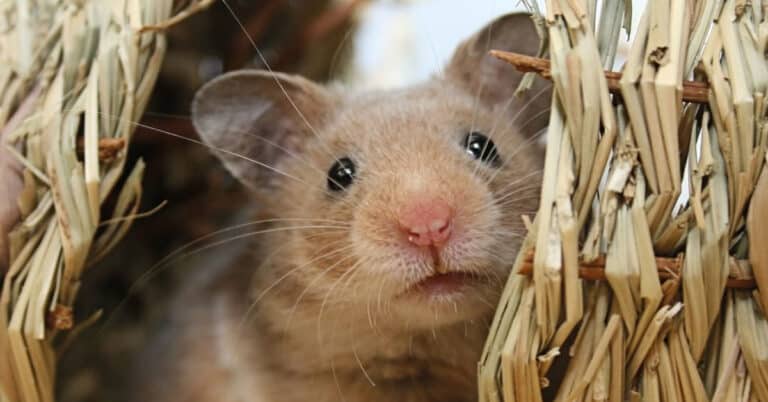
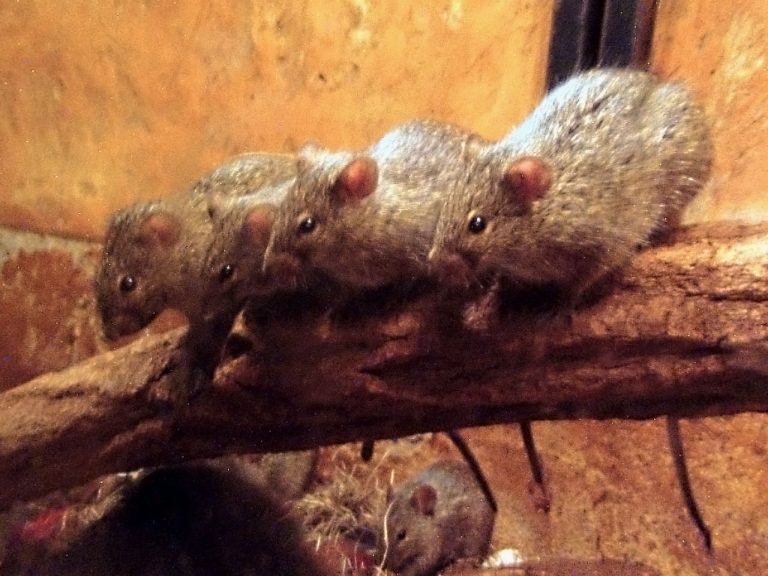
Gerbils come in several colors, are such charming pets and adjust very well to most of their handlers as they bite rarely and are curious animals. Out of all the 90 odd species that exist, the Mongolian gerbil is the only one people rear as pets. At times, people erroneously take them for as rats or mice, although they have a distinct look and behave differently as well. Gerbils are earnest diggers; their tails are long and hairy.
Anatomy
A gerbil belongs to the class of Rodents; it is a tiny mammal. Previously, people called them “desert rats”. The subfamily of gerbil consists of almost 110 varieties of Indian, African and Asian rodents; this includes jirds and sand rats, all of whom modified to dry homes. Gerbils grow to sizes of six and 12 inches (150 and 300 mm) this includes its tail length of 1 to ½ of its whole length.
Behavior
Wild Gerbils live in clusters in the undomesticated areas as social animals. Their sense of smell helps them to locate the others of their kin. If you want to consider introducing gerbils of other litters, you would do well to follow the “split tank method” as they quarrel and often kill others with a different scent.
Habitat
In the wild, you find gerbils residing in the underground tunnels of length up to 3m having chambers and multiple entries.
As a Pet
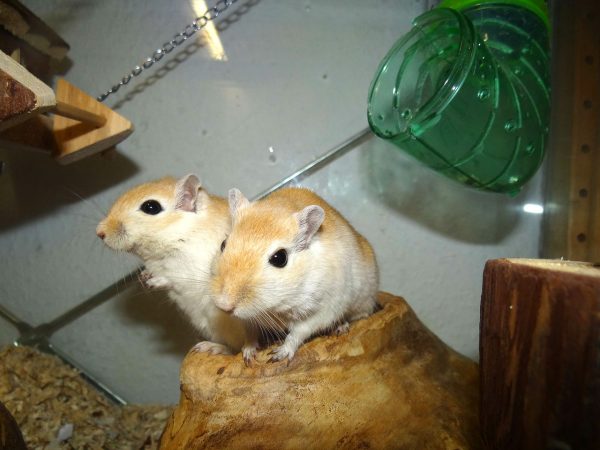
Gerbils are such charming pets, that they adjust very well with most families. The Mongolian gerbil is the lone type that is popular in the pet trade. However, you must always put in place proper handling techniques.
Breeding
Males mature in ten weeks time, because females take almost three months to mature. It is ideal to keep pairs or small batches of like sex.
These gerbil pups look up to you for a good grooming. Feeding them and caring for them involves a lot of patience, time and money. Thus, if you like to bring up these gerbils, make sure that you have the required space and that you have studied their genetics, general care and ethics. Be ready with shelter for your litters and for those homeless ones. A single litter gives one to fourteen or even more gerbil babies.
Housing
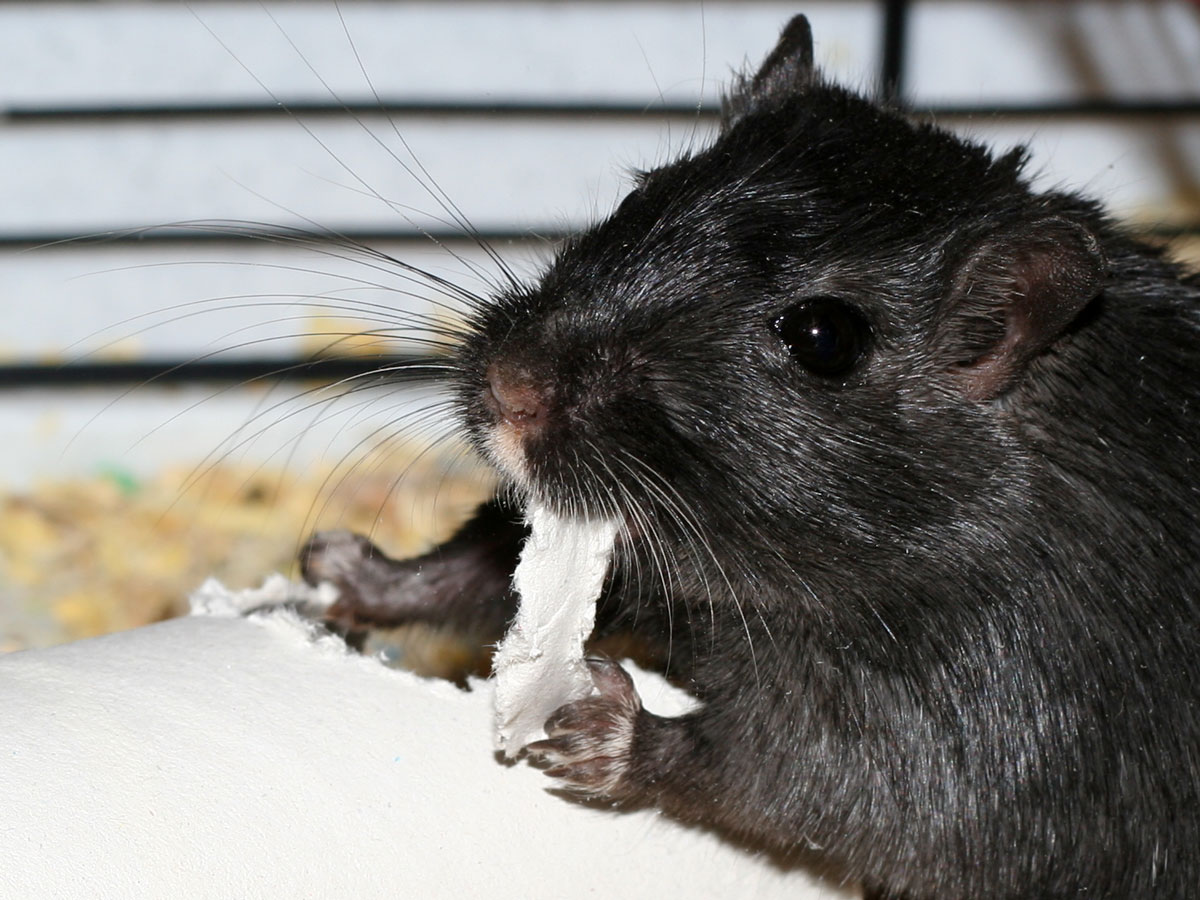
Your gerbils are daring investigators, equipped with a sturdy pair of rear legs and a strong set of incisors. These animals are dedicated diggers; gnawers as well as jumpers, hence make their houses suitable to these features. Aquariums are better when you compare with the mesh cages or plastic designer enclosures, because aquariums are hygienic, safer, and deter them from escaping. The ideal method is to replicate their housing to their natural habitat, and let them enjoy living in a used aquarium or an abundant tank with enough substrate to dig through and make tunnels. Secure the lid with wire mesh.. Wire enclosures are inappropriate. Use available enclosures like gerbilariums that have caged additions suitable for this variety of pets.
Food
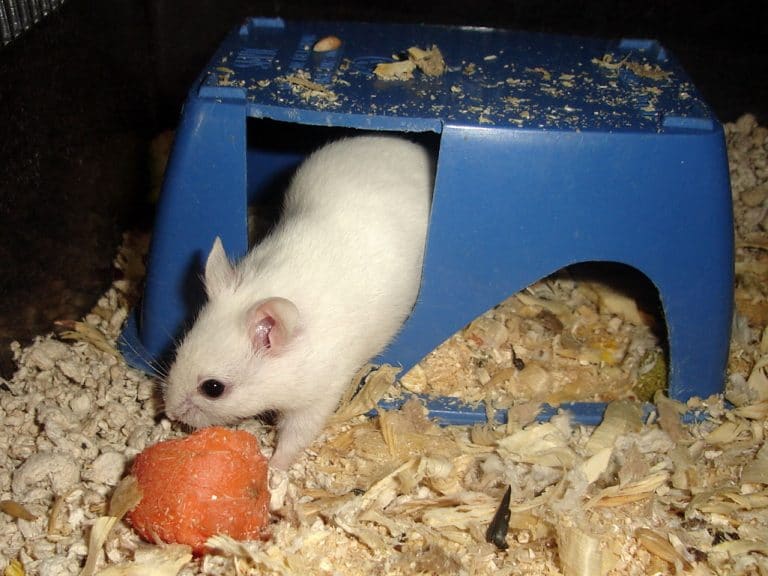
Gerbils love cauliflower, sprouts, carrots, apples and broccoli. Seldom feed them with lettuce in little quantities. Avoid feeding Rhubarb, potatoes or tomato leaves, as they are poisonous. Be certain to supply them constantly with fresh water. Fix free-access water bottles in your aquarium since they empty bowls with water and bury them underneath.
Having discovered a fondness for insects while pursuing her degree in Biology, Randi Jones was quite bugged to know that people usually dismissed these little creatures as “creepy-crawlies”.