Prairie Dog
Scientific Classification
| Kingdom: | Animalia |
| Phylum: | Chordata |
| Class: | Mammalia |
| Order: | Rodentia |
| Suborder: | Sciuromorpha |
| Family: | Sciuridae |
| Tribe: | Marmotini |
| Genus: | Cynomys |
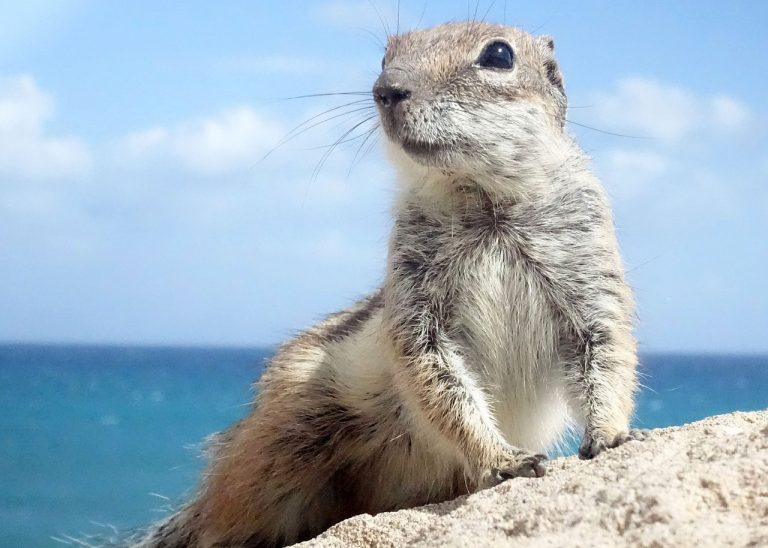
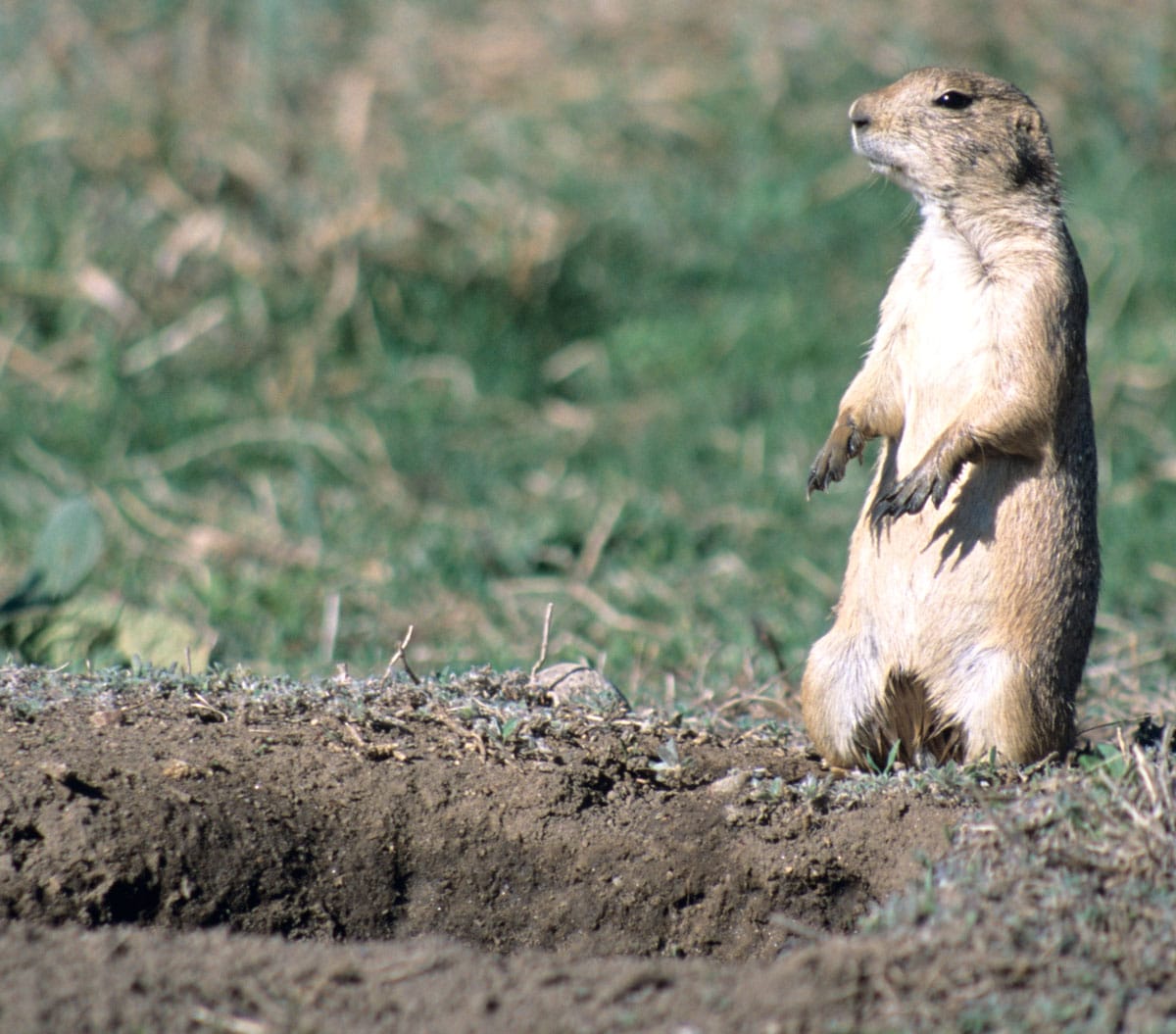
People refer to Prairie dogs as burrowing rodents. They occupy huge colonies in the grassy areas of Western and Central North America. The five varieties of prairie dogs (tailed prairie dog tailed prairie dog, Utah, black-tailed and Gunnison’s, Mexican) had a strength of an over a billion sometime back, and their colonies occupied almost 100 million acres.
Anatomy
At an average, these heavy-bodied rodents grow to a length of 30 to 40 cm (12 to 16 inches), this includes the tail. The rodent’s weight is around 0.5 to 1.5 Kg (1 to 3 lbs). Sexual dimorphism in the prairie dog’s body mass varies from 105 to 136% between sexes.
Behavior
Prairie dogs are very friendly; they live in well united groups called “coteries”. The coteries normally have an adult male, one or even more adult females and young offspring in their company.
Habitat
These magnetic rodents, the size of rabbits, reside on grasslands of North America. We find these prairie dogs living mainly at altitudes of 2,000 to 10,000 ft above sea level. During summer these places are as hot as 38°C (100°F) and in winter they are as cold as -37°C (-98°F). It is their burrows that keep up the body temperature of the prairie dogs by a process called Thermoregulation that in winter varies from 5 – 10°C and in summer 15 – 25° C. The tunnel system of these prairie dogs draws rain water to the water table; this prevents erosion and runoff, It also helps to alter the soil composition of a region and reverse the soil compaction that would otherwise occur because of cattle grazing.
As a Pet
Breeding
A prairie dog becomes sexually mature after its first winter, and litters once a year.
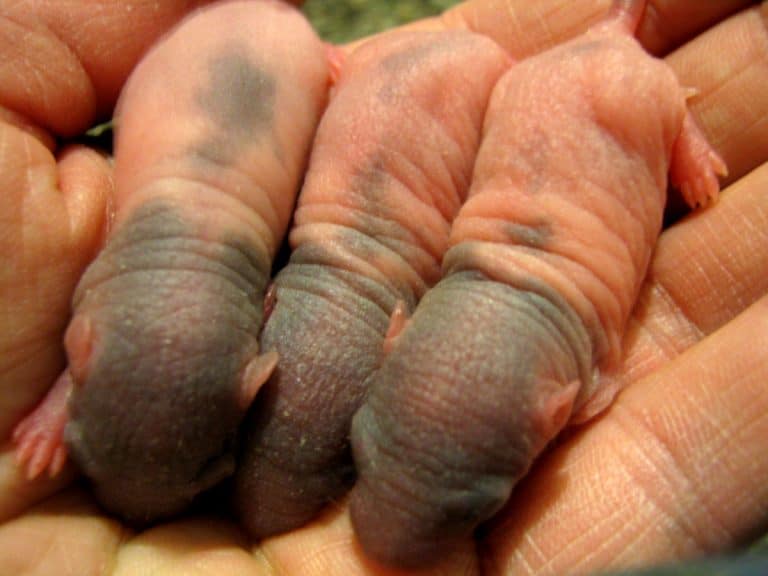
In March and April they start breeding and after 30 to 35 days they litter about 4 to 6 young ones. The young prairie dogs are born with closed eyes and are hairless.
Housing
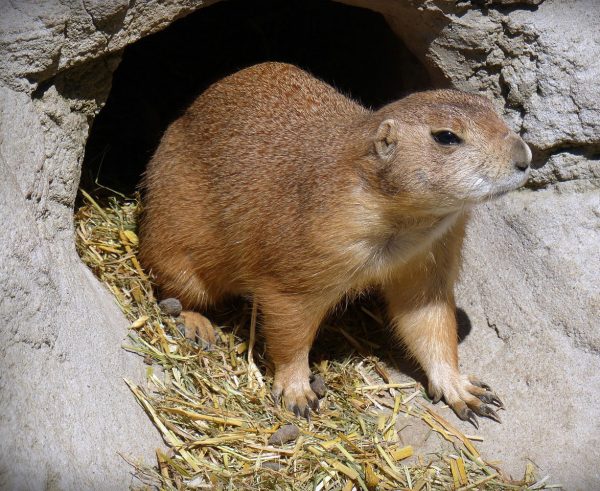
It is essential that you keep these prairie dogs in cages big enough for them to have their games. For sleeping provide them with a nesting box made of untreated wood, also a litter box with 2” of newspaper pellets filled in it. The ideal size of a cage is 24”x24”36” with two floors. Maintain the cage clean by providing a pan under the cage for collecting its droppings. Prairie dogs love digging for hence place a box with play sand in it for your pets to dig.
Food
A staple diet for your pet is a limitless amount of grass hay, like the orchard hay, oat, Timothy or Brome. Their teeth normally wear out when they chew on hay, this gives them the required fiber for maintaining the health of their intestines. It is possible to supplement different types of vegetables to their diet. Your prairie dogs are particular in getting clean and fresh water, thus give them a bottle of water with a sipper tube. Replace the water daily and clean the sipper every week. Do not allow algae to form in the bottle.
Handling
Prairie dogs are very friendly and clever even though they may bite in play. When you have a prairie dog as a pet you must totally commit to it; they do not like you sharing their love with your peers.
Having discovered a fondness for insects while pursuing her degree in Biology, Randi Jones was quite bugged to know that people usually dismissed these little creatures as “creepy-crawlies”.