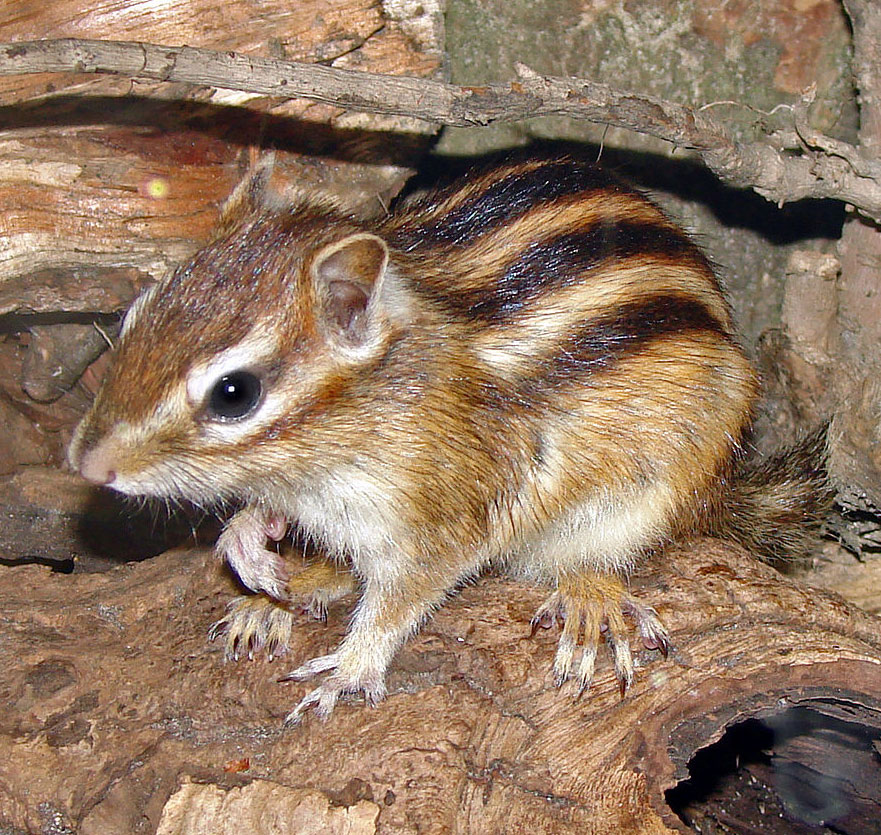
Siberian Chipmunk
Scientific Classification
| Kingdom: | Animalia |
| Phylum: | Chordata |
| Class: | Mammalia |
| Order: | Rodentia |
| Suborder: | Sciuromorpha |
| Family: | Sciuridae |
| Tribe: | Marmotini |
| Subtribe: | Tamiina |
| Genus: | Tamias |
Chipmunks belong to the family of rodents.
Anatomy
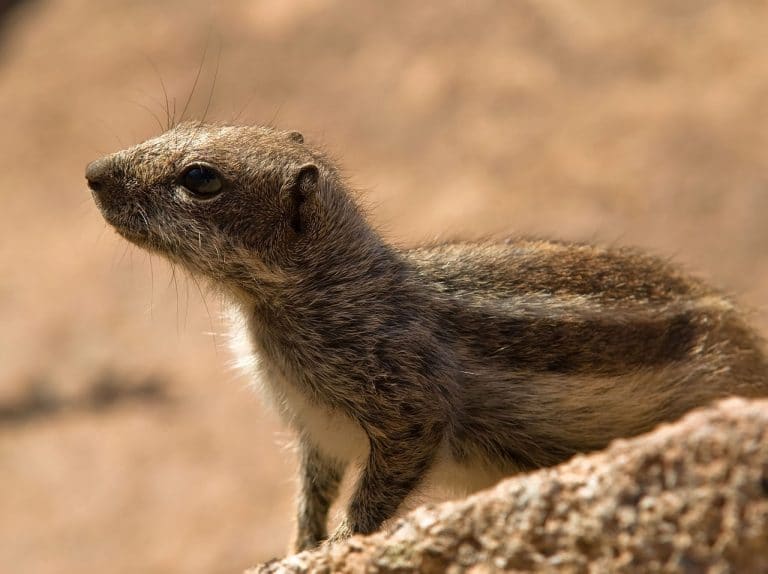
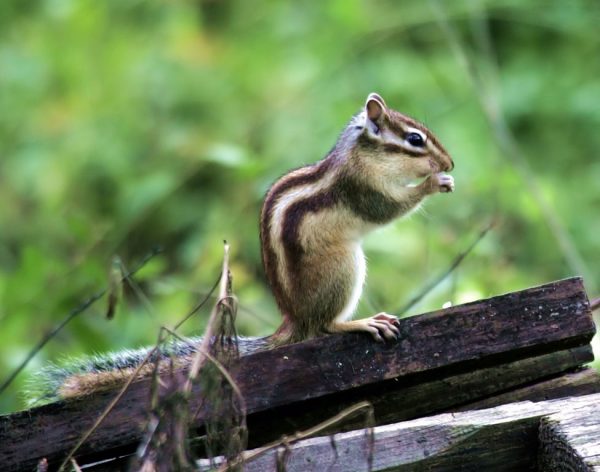
The Siberian chipmunks are typical of having five dark and white stripes, 18 to 25 cm long on their backs; the middle stripe is continuous along the tail. The weight of an adult is normally 50 to 150 g which varies based on the time of the year. When compared to the Sciuridae rodents, like the Red Squirrel, the Siberian chipmunk is comparatively small.
Behavior
The Siberian Chipmunk is of the day and night variety. They live in the mixed and coniferous forests with a bushy undergrowth. Despite being excellent climbers, they prefer staying on the ground. They make burrows 2.5m long and 1.5m deep. A burrow comprises of several storage chambers, a nest chamber and other chambers for storing the waste. The Siberian chipmunk resides in loose colonies; every individual there has his own territory.
Habitat
The Siberian chipmunk, otherwise called common chipmunk hails from Korea, across the Northern parts of Asia from the central part of Russia to China and Hokkaido in Northern Japan.
As a Pet
Breeding
The latter half of April is the breeding time of the Tamias sibericus, another synonym for the Siberian Chipmunks. Following a gestation period of 28 to 35 days, they litter three to eight young ones. In parts of Europe during summer months another litter may occur. At birth their size is 3.8 – 4 g.
Breeding Interval:
Based on the region Siberian Chipmunks breed one or two times a year.
Breeding Season:
April to June is the breeding season for Chipmunks.
Housing
House your pet Siberian chipmunk in a cage made of wire. The shelved cage gives good air circulation and helps them in climbing. PVC pipe pieces or a wooden house creates a surrounding that aids them in hiding. Provide sufficient branches in the cage for the chipmunks to exercise and climb from branch to branch. The chipmunks enjoy running on a wheel. They love to chew; put in a lot of chewable toys like bird toys, wooden blocks, branches, pumice stones and mineral stones. For absorption of moisture lay a tray at the bottom of the cage with aspen bedding or wood shavings and other materials.
Food
Chipmunks are omnivorous. An ideal diet comprises of a mixture of fresh fruits, nuts and vegetables followed with rodent diet. Walnuts, peanuts and pecans are some of the nuts that you can include. While plums, peaches, grapes, pears, oranges and apples are some of the fresh fruits that make up their diet, broccoli, sweet potatoes, or carrots are some of the vegetables they like. Every chipmunk has a particular preference for vegetables and fruits; so offer them varieties of vegetables and fruits. Give them enough pure water every day. Add vitamin as a supplement to the diet.
Handling
Siberian Chipmunks have lasting memory and are very timid. In case you scare them they will bear it in mind and refuse you till you regain trust in them. Initiate your intimacy with them by feeding them through the bars of the cage and gradually feed them from the palm of your hand from inside the cage. Allow the chipmunks to come to you and gradually begin to handle them. Do not hold them tight. Practice this every day. Use bonding pouches to create an intimacy with your pets. Keep pieces of an old worn T-shirt in the sleeping place so that they know your scent.
Having discovered a fondness for insects while pursuing her degree in Biology, Randi Jones was quite bugged to know that people usually dismissed these little creatures as “creepy-crawlies”.