Amboina Box Turtle – With a Life Span of 100 Years
Scientific Classification
| Kingdom: | Animalia |
| Phylum: | Chordata |
| Class: | Reptilia |
| Order: | Testudines |
| Suborder: | Cryptodira |
| Superfamily: | Testudinoidea |
| Family: | Geoemydidae |
| Subfamily: | Geoemydinae |
| Genus: | Cuora |
| Species: | C. amboinensis |
| Binomial name: | Cuora amboinensis |
Amboina box turtle (Cuora Amboinensis), otherwise called the South Asian box turtle, is one of the species of the Malayan box turtle. They are inhabitants of the low-lying lands of the hot rainforests of Southeast Asia.
Anatomy
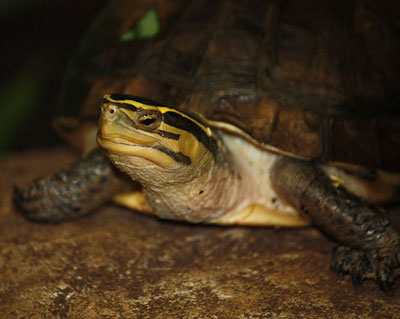
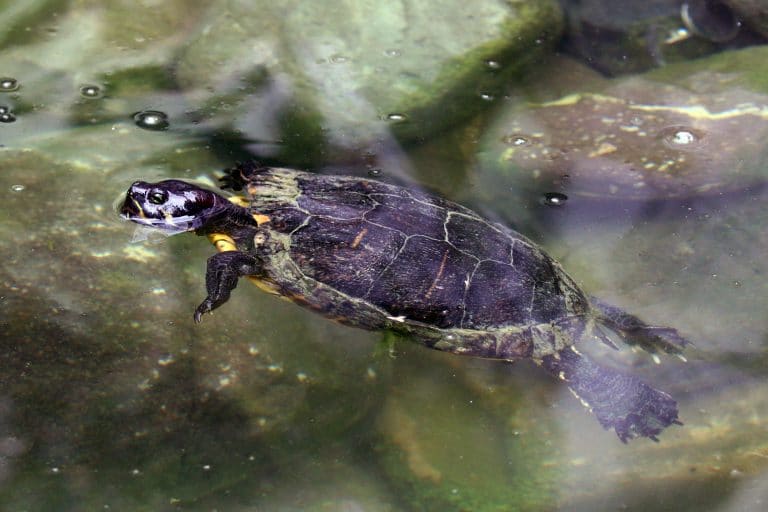
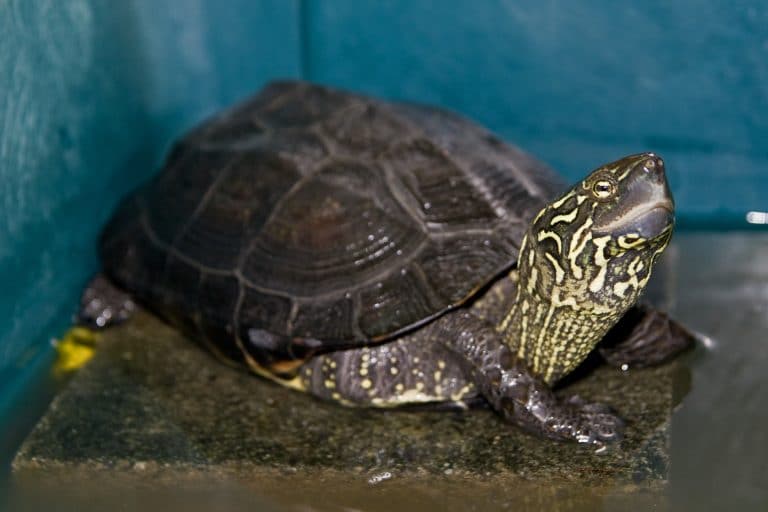
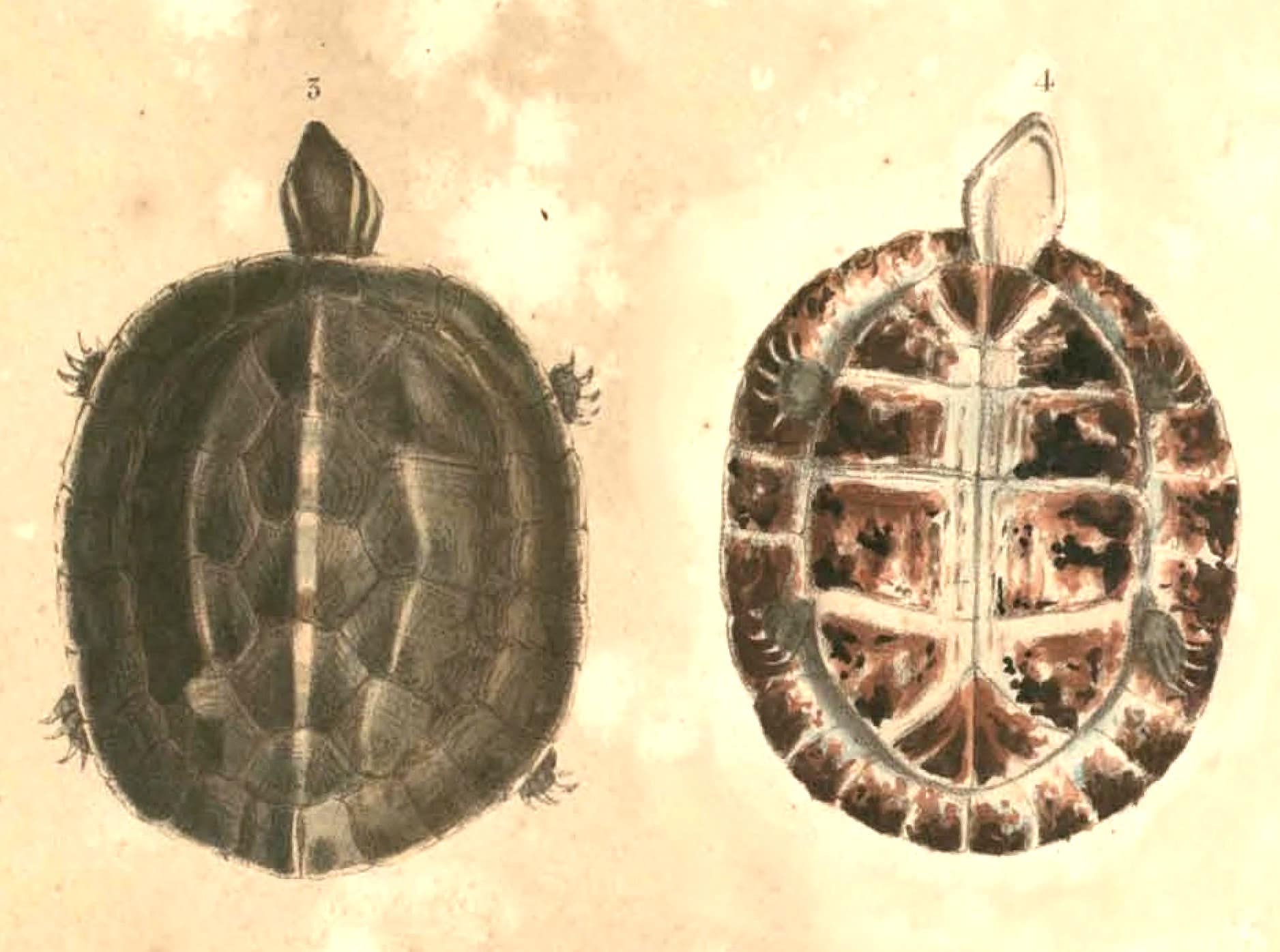
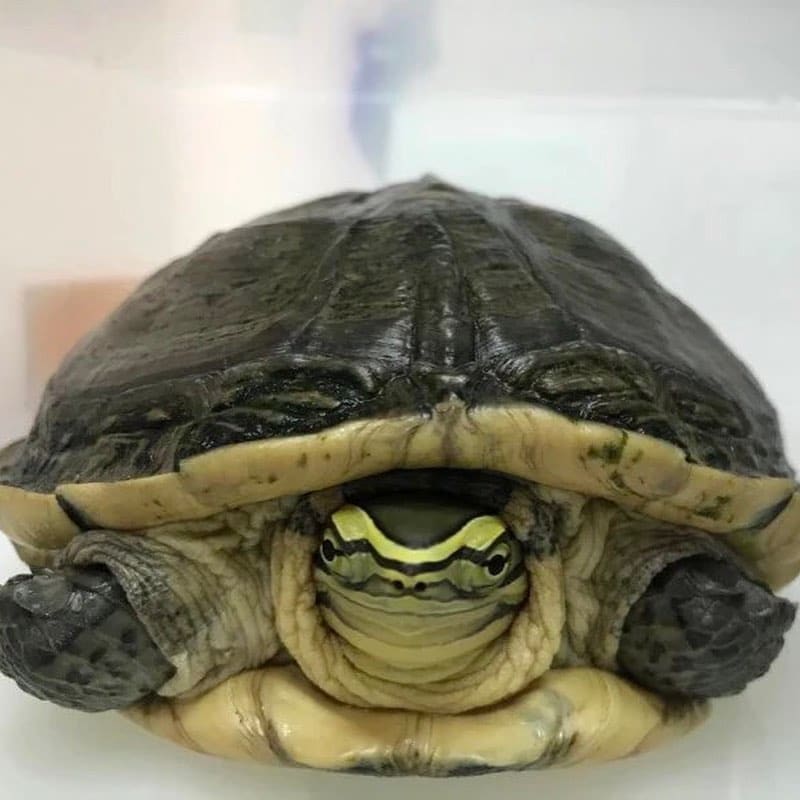
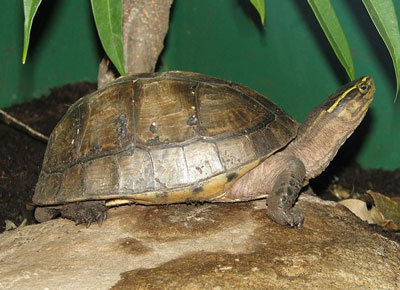
The shells of these turtles have a blackish-brown/ olive-brown color, and not elaborately embellished as the other turtles. The head has a blackish olive color with three characteristic yellow stripes along the sides. The male has a characteristic mild concave shape to its plastron. There are four grades of these turtles. The size of the Asian box turtle depends on the geological environment that they inhabit. The smaller sub grades are 5 to 7 inches in length while the bigger ones are 9 to 12 inches. Their life span is 100 years; In exceptional cases some live up to 150 years.
Habitat
Malayan box turtles are not like other turtles; they are aquatic and like wet and warm surroundings. You particularly see them in hot rainforest environments, having a standard temperature ranging between 75 to 95°F; you do not see them where the temperature falls below 70°F. Most of the time you see these Malayan turtles in marshes, paddy fields and shallow ponds in hotter regions.
Housing
On growing to 7.5 cm (3 inches) big, they become predator proof when adapting them to an outdoor life has definite advantages over indoor accommodation. An ideal enclosure outdoor is to bury a child’s wading pool into the ground. If you wish to give your Aboina box turtle ( Cuora Amboinensis ) a luxurious outdoor residence, then a big pond with modern filtering process will serve even better. Here they will enjoy the deeper portions of the pool that may reach a depth of 1 to 50 cm (18 inches). Strategically, place rock pieces of different sizes for them to scramble in and out of the water.
Heating and Lighting
For the upkeep of health and proper growth of the shell, provide a UVB bulb and a basking bulb above the basking area. Switch on the bulbs just for 12 hours to protect the shell from rotting. You must make sure to give clean water, preferably in a canister.
Temperature and Humidity
Increase the humidity level to an appreciable level and seal the top with plexiglass. Maintain the temperature of the water at about 79-85 degrees F by employing a mandatory heater. Control the temperature of the land area and water by using thermometers (mandatory). Maintain the temperature below the basking area at 82 – 90 degrees.
Food
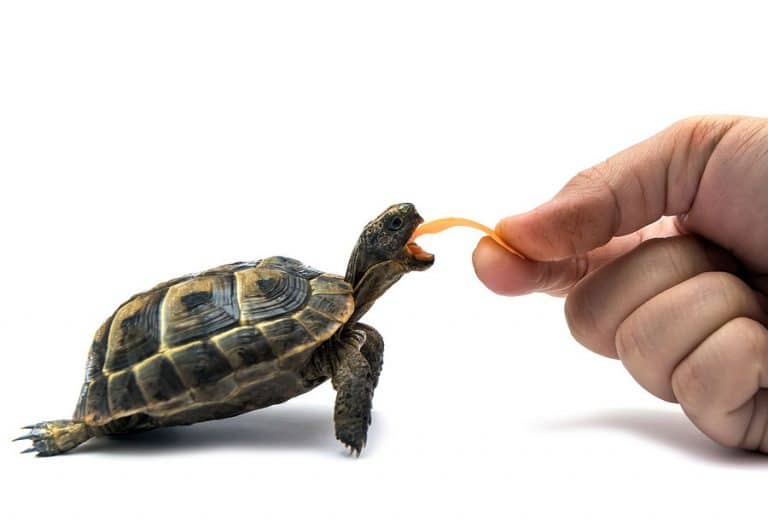
You can feed the Aboina Box Turtle a diverse assortment of stuff such as mealworms, romaine lettuce, wax worms, small mice, nightcrawlers, turtle pellets and commercial turtle feed like watermelon, bananas, blueberries, tomatoes, and strawberries. For the right nutrition of your turtles, supplement with calcium powder and multivitamins
Breeding
Mating takes place in water. The Cuora amboinensis fertilize internally by the sexual relationship, after which the females search for a wet and neat area to dig and make a nest for laying eggs using their posterior feet. They can lay one to five round ones in a nest. The steady warm temperature facilitates frequent reproduction and these turtles can lay egg clusters in many nests in a year. The time for incubation between fertilization and hatching is around 76 days. The Aboina Box Turtle attains puberty at about 4 to 5 years of age, and becomes sexually mature to reproduce.
Handling
The turtles that you breed in captivity adapt more easily and have less issues of stress when compared to the imported ones. You would do well not even to handle often, those that you bred in captivity after importing those years ago, because they can still undergo stress, leading to respiratory and other sicknesses.
Having discovered a fondness for insects while pursuing her degree in Biology, Randi Jones was quite bugged to know that people usually dismissed these little creatures as “creepy-crawlies”.