Viper Geckos – One of the Smallest Species in the World
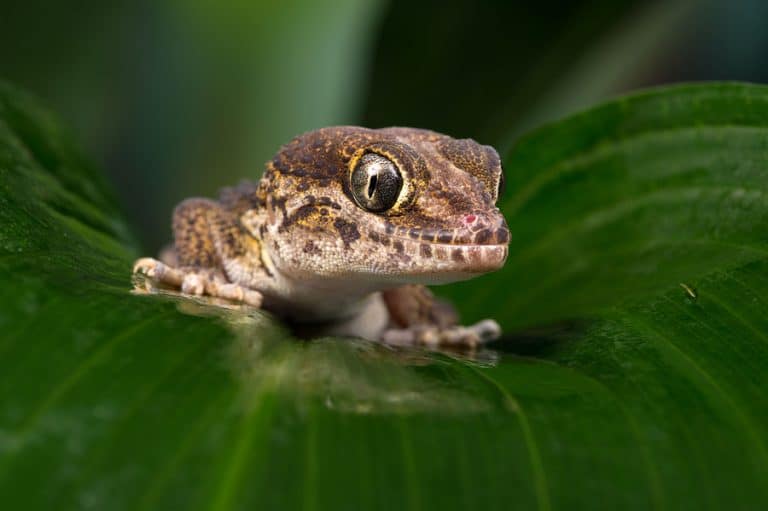
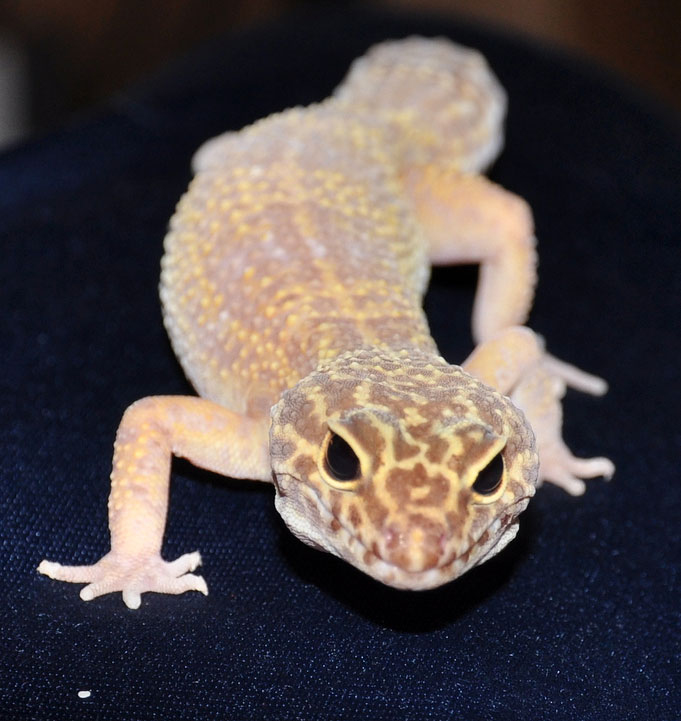
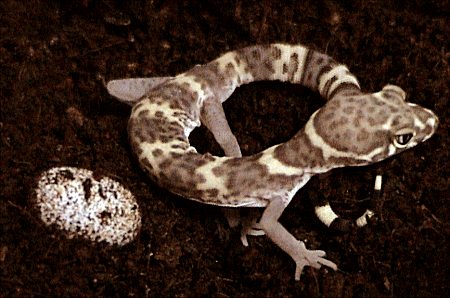
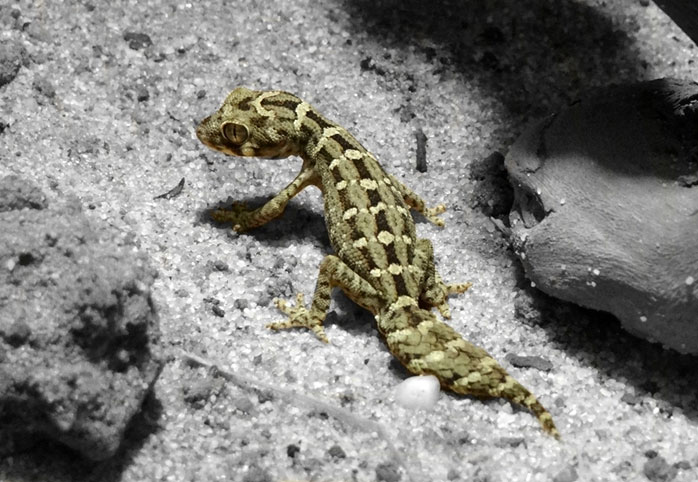
The Viper Geckos have wide cat-like eyes and slender bodies. It has a short, thick-based tail and a tapering towards the end, which is why they also call it the carrot-tailed viper gecko. Their original habitat is the Middle East.
Anatomy
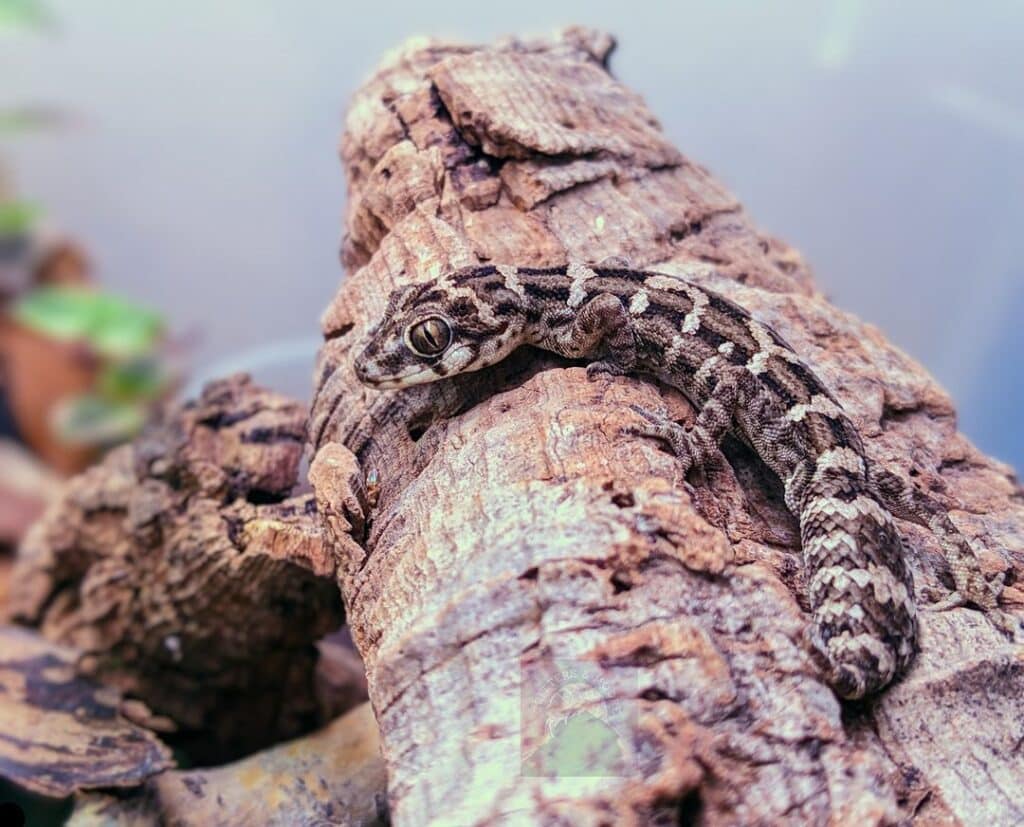
The viper gecko is one of the smallest species in the world. They measure around 7 to 9 centimeters. The distinguishing coloration is light brown and dark-brown stripes that run from the forehead to the tip of their tail. They also have light creamy brown stripes that run across their small bodies.
Natural Habitat
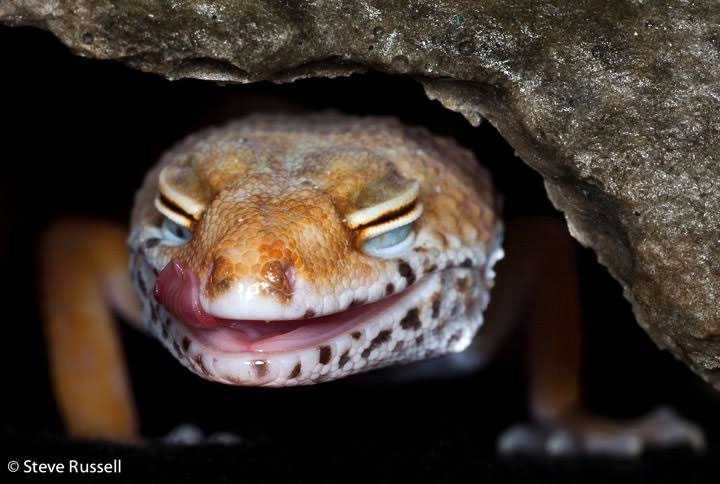
These rare species mainly inhabit dry regions of southeastern parts of Pakistan. Since they are nocturnal, they will hide during the day under and between rock crevices to evade the extreme weather. During the night, they come out to hunt their prey that is mainly insects.
As a Pet
Housing
It is possible to house more than one member in one cage. Thanks to their small size, a 10 to 25 gallon tank measuring about 2 x 2 x 1 foot will suffice to house one male and two females. You should make sure that to enclose the housing completely, since young ones can climb glass and other surfaces. Since they are more terrestrial animals, you can cut the height to offer larger floor space. Provide numerous hiding places to keep the geckos comfortable.
Food
Being insectivorous, they will feed on insects such as crickets, wax worms, mealworms and small locusts. If you do not provide UVB lights, you must make sure to dust their food with calcium and vitamin D3 powder supplements to prevent them suffering from MBD. Provide a shallow bowl of clean and fresh water for hydration and replace it regularly.
Temperature
The Viper geckos are ectothermic (with low or negligible internal heat resources), necessitating you to offer external thermal regulation for survival and well-being. You should evolve for them cool and warm sides in the cage, with temperature ranging between 24 to 29 degrees Celsius for the cool area and 32 to 35 for the warm area. The night temperatures should range between 21 to 24 degrees, which is a replica of their natural habitat. Maintain a low humidity, ranging from 40 to 50 %. The best way to eradicate in-house evaporation that tends to increase humidity is to keep the water dish far from the warm side.
Lighting
These nocturnal animals need only night-heating bulbs in colors of either blue or red.
Cleaning the Cage
You must clean the cage every week using a 5 % bleach solution, but make sure that you rinse the cage with plain water before re-introducing the viper geckos. Other important maintenance activities include daily misting and ensuring a fresh supply of clean water. Mist the cage once a day and make sure a shallow pot of clean water.
Breeding
Breeding the young adults should wait until 14 to 24 months because early breeding may strain the female and in extreme cases, lead to death. The males will deposit sperms in the females who will keep them for a period of 3 to 4 weeks. By so doing, the female will be able to lay eggs in clutches; each clutch containing two eggs. The female will continue laying 10 more clutches of 2 eggs each every 10 to 14 days, incubate at 27 to 30 degrees Celsius, and hatch the young ones in about 40 to 60 days s. After mating, it is better to separate the male from the females to allow them re build their calcium body reserves.
Handling
Due to their small size, it is not a good idea for the keepers to handle them, partly because the viper geckos have delicate skin that may easily crack by touch or pressure. Young geckos will need exclusive care and caution when handling.
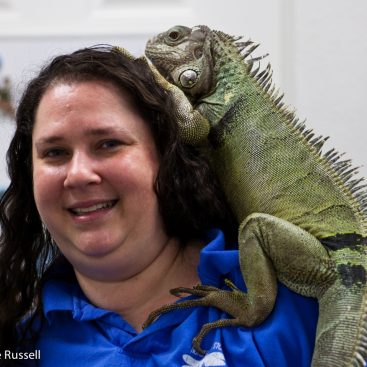
Having discovered a fondness for insects while pursuing her degree in Biology, Randi Jones was quite bugged to know that people usually dismissed these little creatures as “creepy-crawlies”.