Leopard Gecko
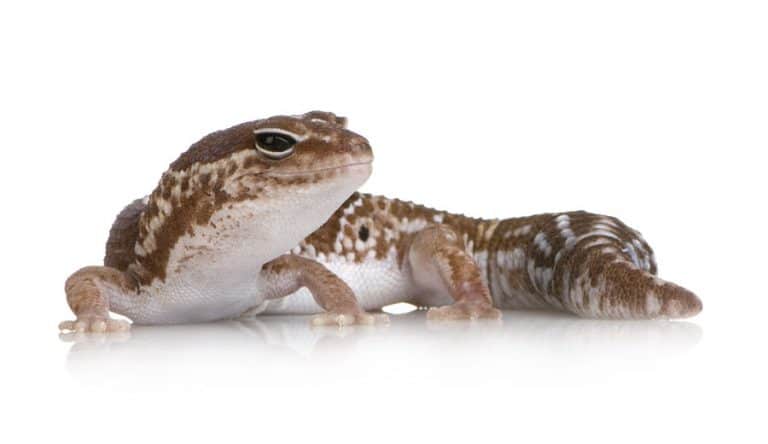
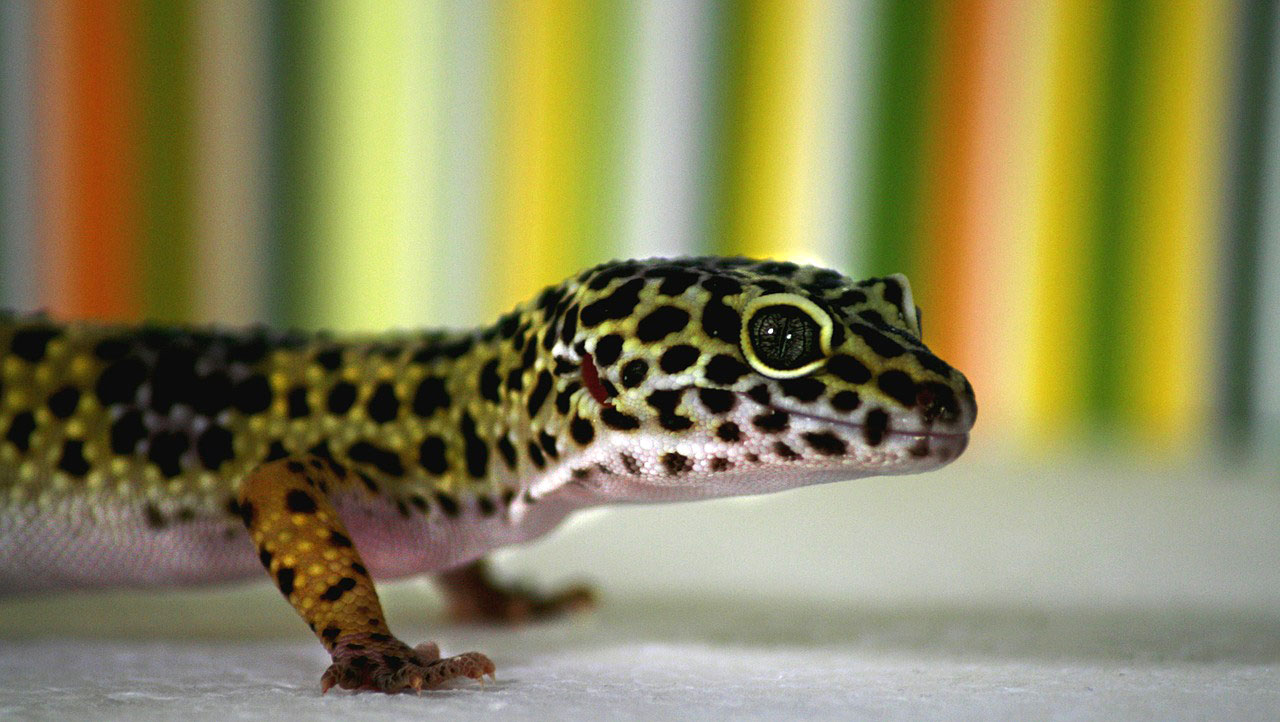
Leopard geckos live in the dry grassland region or rocky areas of Asia. During the day, to keep away from the heat, they take shelter in burrows or beneath rocks. Only when they come out at dusk, are they normally visible? They are visible only at dusk when they are out. The Leopard gecko’s body is light yellow with black marks, and they are nearly 9 inches long.
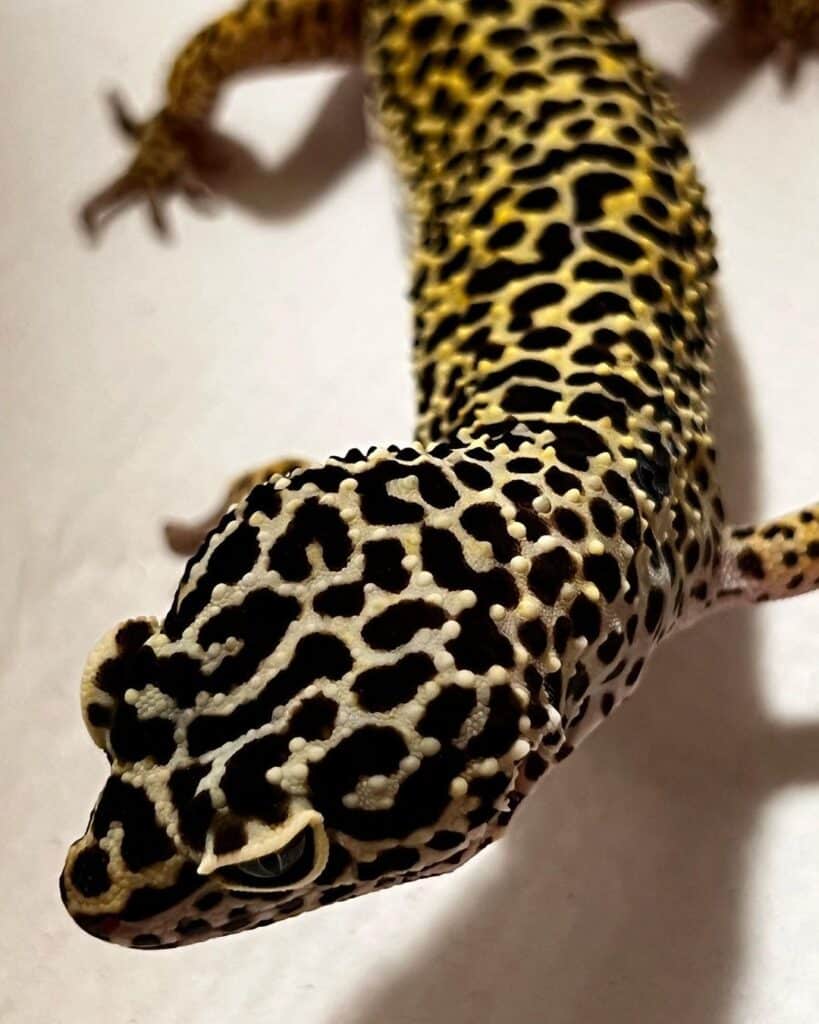
Enthusiastic breeders of the leopard gecko raise these lovely lizards selectively and achieve a wide configuration of animals in varying colors of dark yellow, orange stripes, blizzard and plain purple. A few geckos in custody grow to exceed 11 inches. The adult gecko and the infant have different skin patterns; the little ones have spotless skin with faded yellow and dark bands at intervals that fade away in a year.
Biology
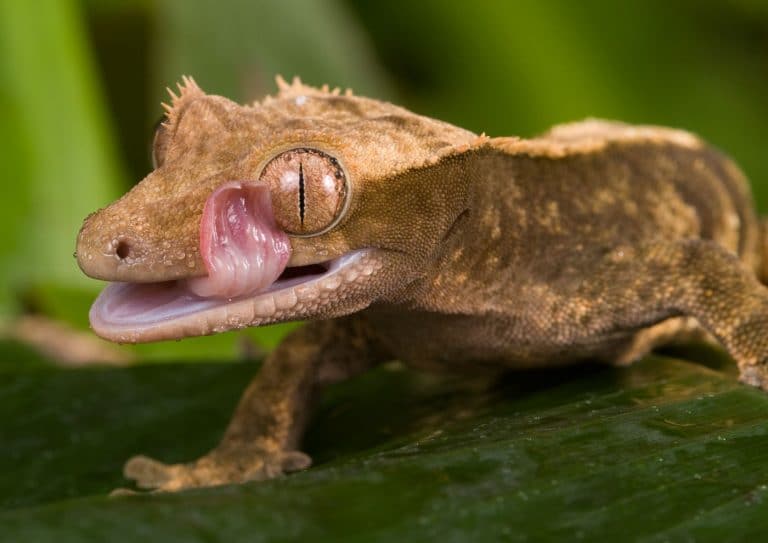
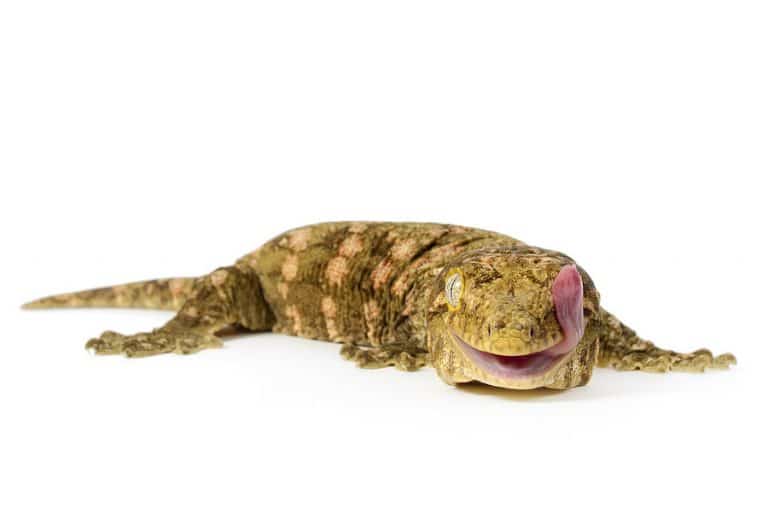
The Leopard geckos are descendants of the Eublepharidae and have eyelids, which help to keep the eyes protected against the dust generated in its natural habitat. Similar to the other common lizards. The Leopard geckos moisten and clean their eyes with their tongues. They have restrictions on vertical climbing because they do not have toe pads.
Instead, they have claws that help to offer traction as well as help them to dig. In the face of predators, these geckos have a mechanism where the muscles located at the beginning of the long tail constrict to allow the lizard to snap and cast-off it’s tail at the spinal cord. This sight diverts the predator and the gecko makes its escape. Nevertheless, the regenerated tail appears bulbous with spots replacing the lines.
Food Habits
The Leopard Geckos feed on insects, smaller lizards, worms and the larvae of certain insects. Occasionally the big geckos eat small snakes and young mice. The Leopard geckos in custody live for about 15 years. The record life of male geckos till date is 29 years! The developed size is 9-12 inches. Crickets, varieties of worms and a lot of insects make for the other foods of these Leopard geckos..
Most geckos in custody like to hunt food on their own. Many of them reject dead prey (unless you compel them). Their usual live food is crickets which they hunt in the enclosure as they would in their natural environment. In case of scarcity of food, they have the skill to store excess fat in the tails on which they depend for their diet, which must have enough vitamins and calcium.
Reproduction Cycle
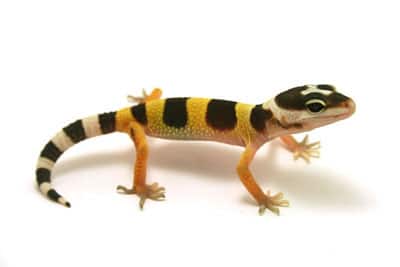
These geckos reach puberty between a 10 to 14 month period, and you can learn the gender of the lizard when it attains a length of 5 inches. The males attract the females that are smaller, and display a clear V-shaped line of spots at the front of the cloacal aperture. Besides, at the base of the tail, you can see a lump. The Leopard geckos usually breed between January and October.
During mating, the male wags its tail and the female responds by swaying her tail. The male licks the female to confirm her scent, and starts to bite her from the bottom to the top. Then keeping his body parallel to hers, he puts his rear leg over her tail, before inserting his hemipenes into her opening of the cloaca, to have sex with her. The female proceeds to lay one or two eggs with leather like shells. The incubation temperature decides the sex.
Leopard Geckos as Pets
In apt situations, these lizards are easy to support. They tame easily and hardly ever bite. In order to keep them quiet, you must make sure to deal with them with care. It is dangerous to hold the tail of the geckos, because, as a security mechanism, they shed off their tail. The new one is very different. A single gecko lives in a ten-gallon tank. Two males put together will fight, so avoid it. The geckos being nocturnal, UV light is not essential. Maintain daytime temperature at 80 to 90 degrees F and at night at around at low 70 degrees F.
Having discovered a fondness for insects while pursuing her degree in Biology, Randi Jones was quite bugged to know that people usually dismissed these little creatures as “creepy-crawlies”.