Gopher Tortoise

Scientific Classification & Quick Facts
| Common name | Gopher tortoise |
| Scientific name | Gopherus polyphemus |
| Kingdom | Animalia |
| Phylum | Chordata |
| Class | Testudines |
| Family | Testudinidae |
| Genus | Gopherus |
| Conservation status | Critically Endangered |
| Type | Reptile (tortoise) |
| Diet | Short grasses, legumes, and prickly pear flowers and fruit |
| Habitat | Sandy uplands, pastures, forests and yards |
| Native range | Southeastern United States, from Florida to Louisiana |
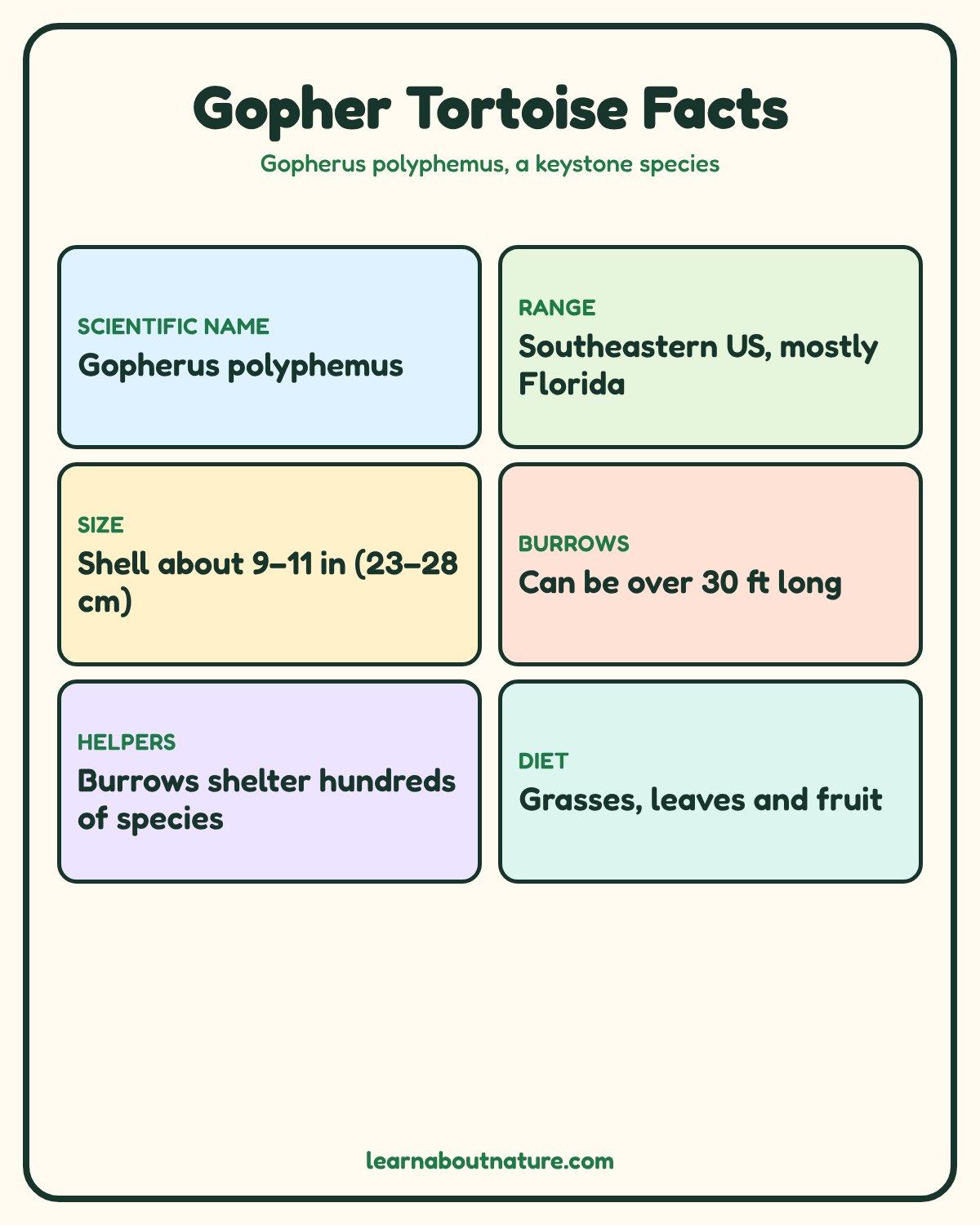
| Size | Mature shell about 9 in (23 cm) long |
| Special feature | Burrows up to 10 ft deep, shared with 360 other species |
The gopher tortoise, Gopherus Polyphemus digs holes that act as a refuge for 360 other species of animals, as such, it is noted as a keystone species. Destruction of their habitat and attack by predators scare them. This tortoise represents the genus Gopherus, one that is native to North America. The Gopher tortoise represents the state tortoise of Florida and the state reptile of Georgia.

Anatomy
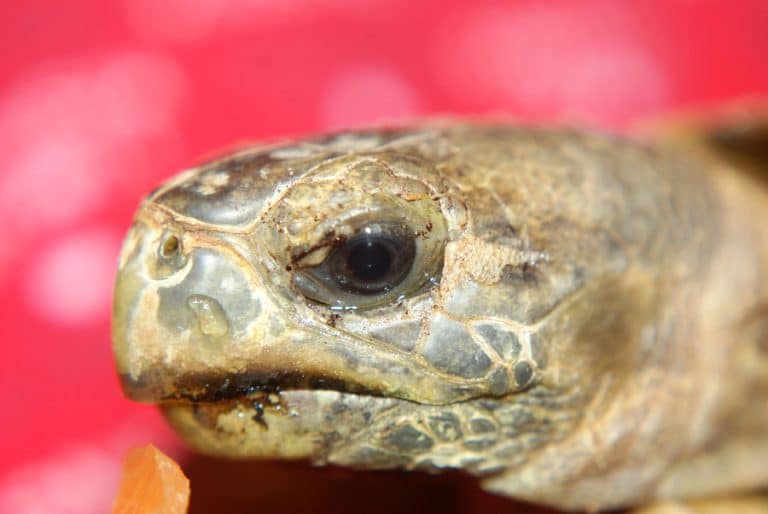
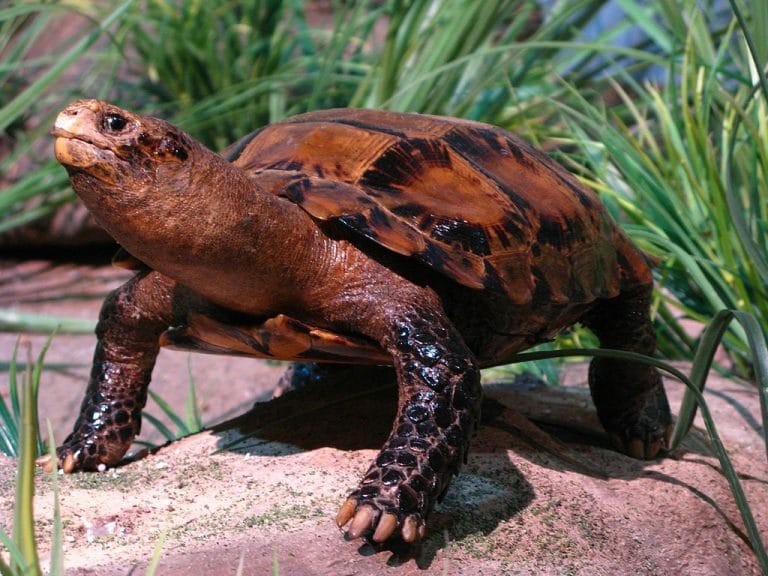
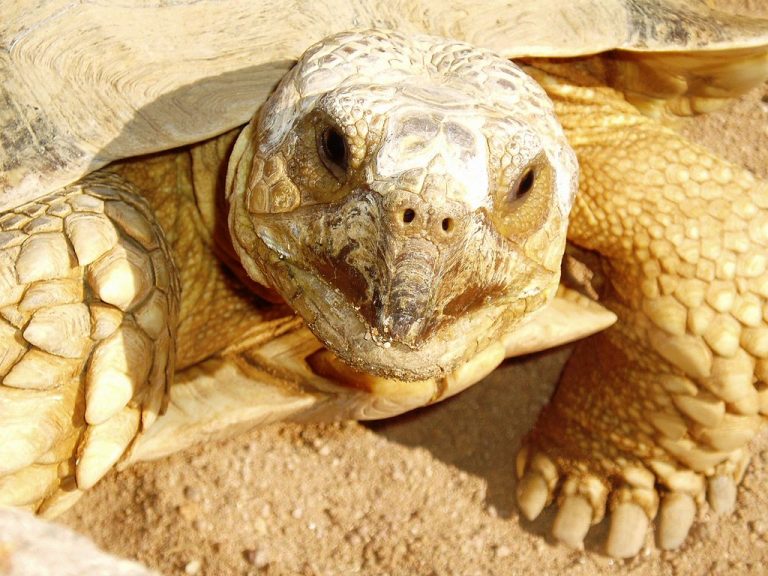
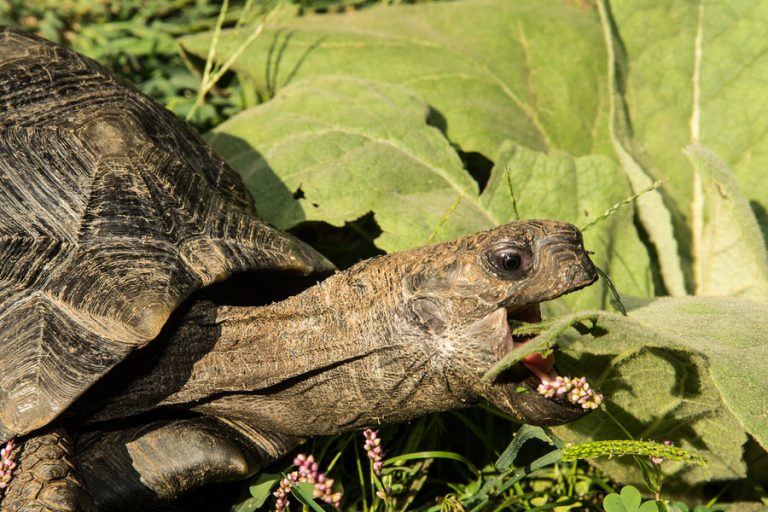
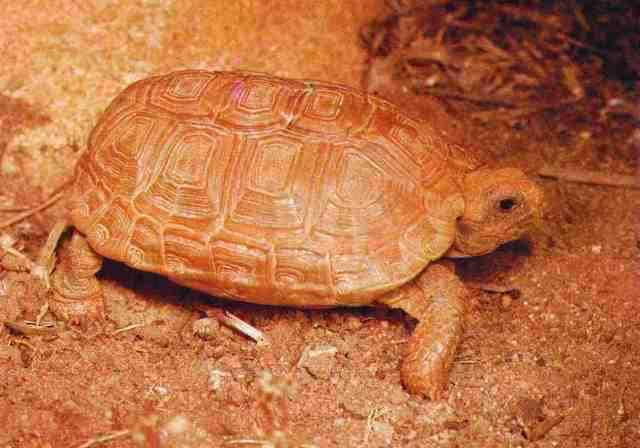
With regard to color, the gopher tortoise is a simple looking tortoise. They are colored either gray or dark tan. Their hind legs resemble that of elephants and the forelimbs are flat and broad, resembling a shovel. The roof of the shell is pretty flat. The matured gopher tortoise is a dull looking creature; this is just the opposite to that of the dazzling colored hatchlings.
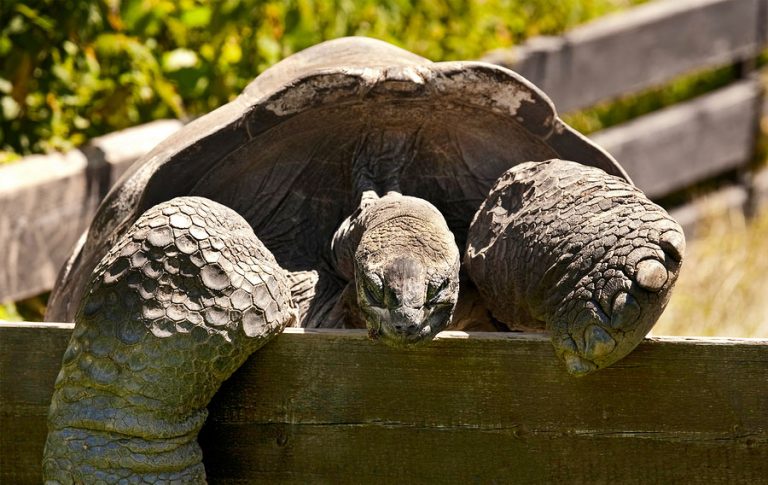
The gopher tortoise is a pretty big terrestrial tortoise. Their front feet are quite suited for burrowing, whereas their hind legs are like that of elephants. The majority of the tortoises is like this.
When their shells grow up to 9 inches and when they are 10 to 15 years of age, they attain sexual maturity.
Behavior
Gopher tortoise belongs to the few varieties that dig holes to a depth of 10 feet and to a length of 40 feet and as wide as their width. Besides, it acts as a home for them. The Florida mouse, indigo snake, burrowing owl and the gopher frog make use of these burrows
Habitat
These Gopher tortoises live for a long time. These reptiles belong to the uplands of Florida and the southern province of Georgia, Mississippi, South Carolina, Alabama and the peak of Eastern Louisiana and also pastures, forests and yards. They search for food from plants that grow on low lands and dig holes for shelter.
As a Pet
Breeding
At the age of 10 to 15 years the shells of the gopher tortoise grows to a length of 9 inches (23 cm). This is when they attain maturity. Their normal mating period is from February to September and their climax period is May to June. Depending on the size of their body, they lay a single clutch of about 3 to 14 eggs in a sand mound adjacent to their burrows. Once mating is over, the female searches for a sand mound or a sunny spot and lays her eggs there. The hatching period of the eggs is almost 70 to 100 days. The juvenile gopher remains in its mother’s burrow since they prefer spending a lot of time over there.
Housing

Provide a housing for your gopher tortoise that has sufficient space so that they are able to reside, sleep and take rest. The most suitable size of the enclosure for the female gopher tortoise is 0. 65 ha, and that for a male is 1.9 ha. Sandy soil is most convenient for digging, making holes and taking shelter, hence ensure that it is available in the enclosed space. Make the housing glamorous by providing grass that is not poisonous to them; besides, confirm that the walls are sufficiently high enough to prevent them from escaping. Keep away from anything that is poisonous. Two separate cages are good, one of them to take food and the other to take shelter. It will prevent infection through bacteria.
Food
It is imperative that you give your pet gopher tortoise fresh food. They are herbivores and prefer short type of grass in their diet. Legumes and grasses are ideal for them. Feed your gopher tortoise in addition, with flowers and fruits of prickly pear cactus.
The gopher tortoise that stays in captivity for example, in a zoo, prefers having plenty of fruits and vegetables. Certain cultivated food which the gopher tortoises prefer to eat are sliced carrots, broccoli, bananas, green beans, watermelon, alfalfa, endives, cantaloupe, white potatoes, escarole, zucchini, escarole, apples and sweet potatoes. They habitually eat tortoise chow.
Gopher tortoise FAQs
Why is the gopher tortoise called a keystone species?
Its burrows shelter about 360 other kinds of animals, such as the Florida mouse, indigo snake, burrowing owl and gopher frog.
How deep are gopher tortoise burrows?
They can dig burrows up to 10 feet deep and 40 feet long.
What do gopher tortoises eat?
They are plant eaters and prefer short grasses and legumes. They also eat the flowers and fruit of prickly pear cactus.
Where do gopher tortoises live?
They live in the southeastern United States, in Florida, southern Georgia, Mississippi, South Carolina, Alabama and eastern Louisiana. They like sandy ground in uplands, forests and pastures.
How old is a gopher tortoise when it is grown up?
A gopher tortoise is mature when its shell reaches about 9 inches (23 cm), at around 10 to 15 years old.

Randi Jones is the owner and founder of the Nature Gift Store, an online retailer specializing in nature-themed gifts, educational science projects, live animal nature kits and real butterfly artwork. A biology graduate who fell in love with insects, she founded the company in 2001 to make active learning about nature fun, accessible and engaging for children and adults. Her store offers real butterfly frames, home and garden decor and educational live animal kits, including ant farms, worm farms, tadpoles, ladybugs and hermit crabs, and she runs a bug museum in Washington featuring live animals like Eddie the Iguana alongside other reptiles and insects. Randi wrote most of the guides on this site. They first appeared on her long-running nature sites, including Monarch-Butterfly.com, Ladybug-Life-Cycle.com, Frog-Life-Cycle.com, Dragonfly-Site.com and Butterfly Pictures, which have now been brought together here at Learn About Nature.