Gopher
Scientific Classification
| Kingdom: | Animalia |
| Phylum: | Chordata |
| Class: | Mammalia |
| Order: | Rodentia |
| Family: | Geomyidae |
Gopher-A Distinctive Small Sized Burrowing Rodent
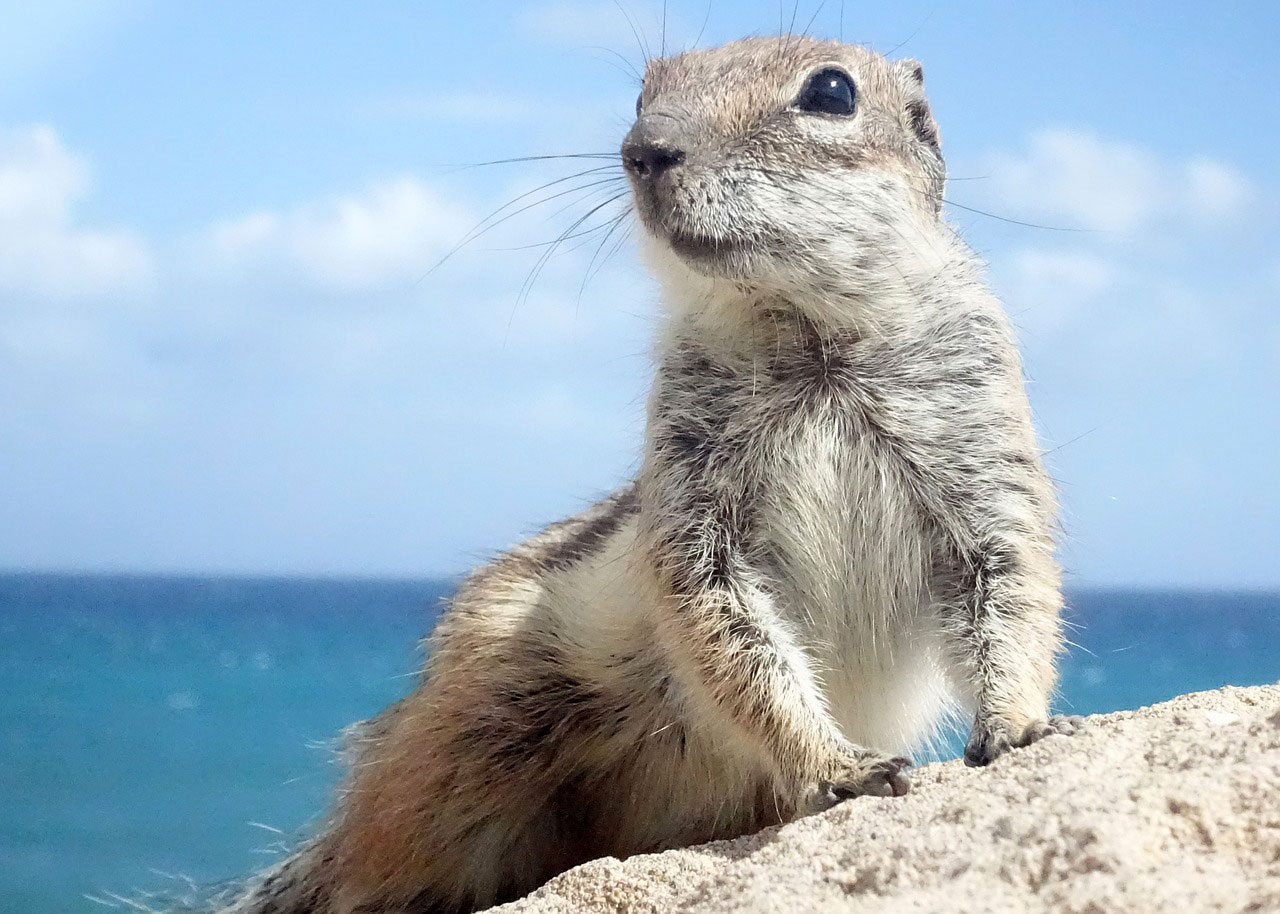
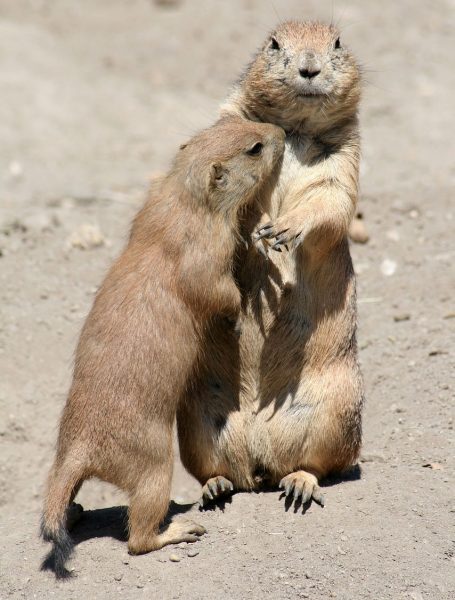
If you access gopher sites on the Internet, you will find that this is a popular term for any of those distinctive small-sized burrowing rodents widespread in North America. This species includes the pocket gophers, coming from the family Geomyidae that we also know as true gophers, several types of a Ground Squirrel from family Sciuridae, mainly prairie dogs and Richardson’s ground squirrel. All these species of gophers originate in North America.
Anatomy
A gopher is a very small animal and weighs only about 230 grams or 0.5 pounds with a length of up to 15 inches (38 cm). They have a long tail that can grow to a length of 7 inches (18 cm). These species of squirrels have a very small life span of only about 2–3 years unless they fall ill or some predator kills them. This animal can easily dig tunnels as well as cavernous chambers, and relates to the rodent order called Rodentia. In America, you may find over 100 types of gophers. In America, you may find over 100 types of gophers. These gophers disrupt some human endeavors like garden plots, several types of landscaping, profitable agriculture and some underground cables when these animals burrow into the soil. Many therefore treat them as pests.
Habitat
The Gophers can make a labyrinth tunnels with huge mounds of dust or other dirt that we know as gopher towns or the gopher holes. You can observe this phenomenon in a park also. Generally, to secure their hole or tunnels, a mature gopher will often stand guard at the immediate entrance of their nest, and if they sense a predator, they will make a shrill cry to want the other gophers. On receiving the warning, they will run for safety. A gopher city can very simply extend to capture a big part of grassland or mountain field and they may have a thousand-fold population.
As a Pet
Housing
Usually this squirrel does not grow very big. This animal can range in size from around 5 inches to a foot. It truly depends on the type of gopher that you simply have. To keep them you will need a giant cage or space where your gopher can stay comfortably.
Substrate
They usually like to build tunnels and that is part of their character. You would do well to give your gopher something similar to a tunnel.
Food
Actually, the Gophers are omnivorous animals. Their diet should include nuts, seeds and some types of berries along with grass, grains and a large amount of insects. Such a diet provides the gopher with a large amount of protein. You can also add grubs and earthworms in their main diet. The Additional food in their diet includes of root crops, squash, fruited vegetables, grains, leafy plants, legumes, and Cole.
The gophers also like to eat leaves, shrubs and the roots below the soil. According to some scientists, this explains their reason for digging tunnels. Apart from this, they also take dandelions and alfalfa in their diet. For this reason, you can very easily offer the desired food to your gopher. You can easily buy alfalfa from your local pet shop for your pet; this is a perfect food to munch on. Owning a pet gopher will also clear your dandelion problem in your back garden. You can pluck a few from your garden every day. During winter, when the food source is bleak, you will need to find some new leaves or plants to nourish your new friend.
It is very important to supply them with a water bottle or some water dish because many of these animals do not know properly how to drink from a water bottle that is why you should put both the bottle and the water dish in their cage and observe which one the gopher selects.
Handling
Gophers generally do not bite, but when an animal feels afraid or threatened, they may bite only in defense using its teeth or nail. If you bring up your gopher from its childhood to adulthood, you are sure to have an extremely brilliant and well-behaved pet. Your pet possibly loves you to stroke or scratch the top of his head and even stroke his body from neck to the middle.
Having discovered a fondness for insects while pursuing her degree in Biology, Randi Jones was quite bugged to know that people usually dismissed these little creatures as “creepy-crawlies”.