Greek Tortoise

Basic Greek Tortoise Care Recommendation

Without a doubt, more and more people are becoming interested in keeping wildlife animals like the tortoise. But different species of these animals may require specific requirements that are unique to their type, like the Greek tortoise requirements that are different from any other species.

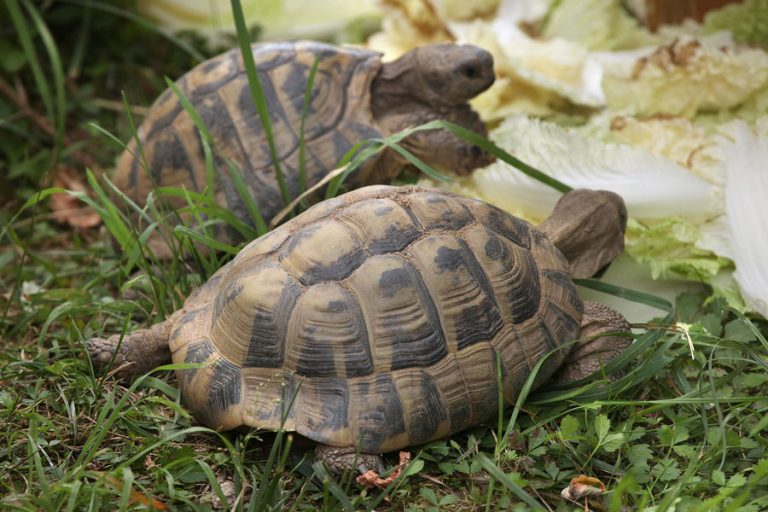
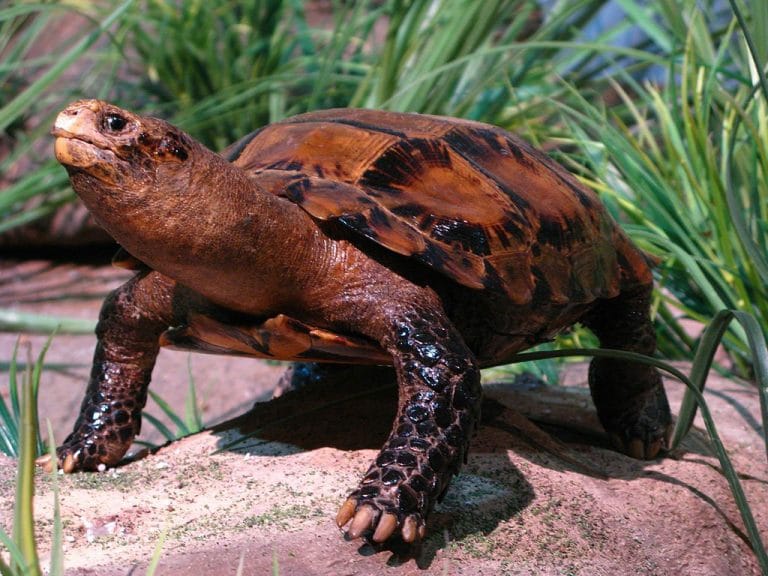
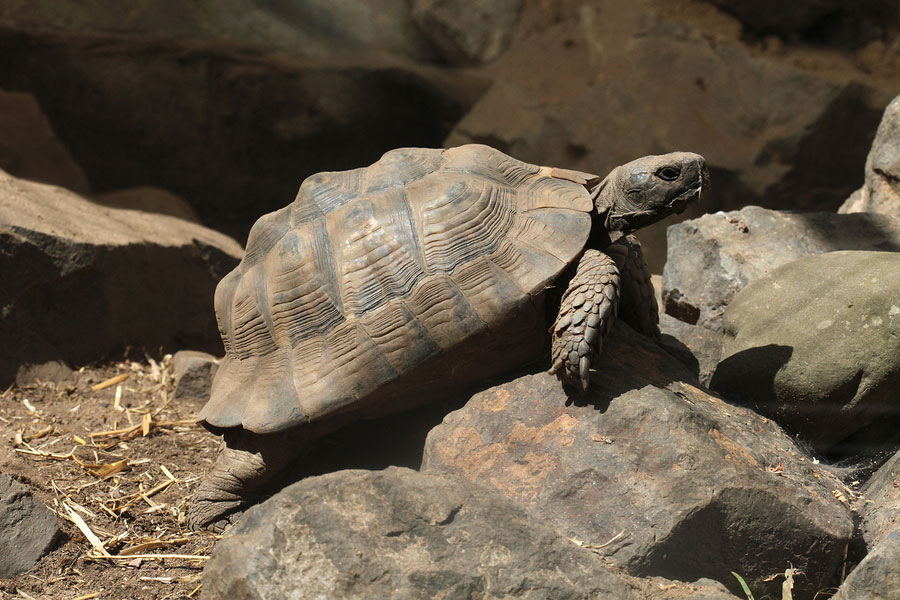
The Greek, or sometimes referred to as spur-thighed, got its name because of its huge pointed tubercle on each side of its thigh. Under this species are several substrates that share the species main characteristics.

Anatomy of a Tortoise:
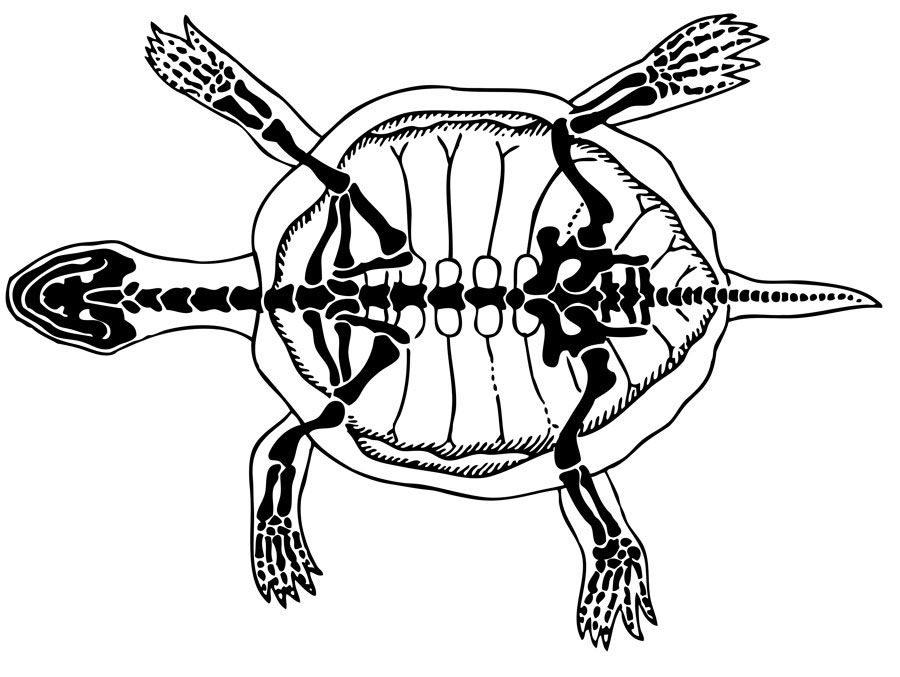
Anatomy of a Tortoise
Anatomy of a Tortoise. Photo: Bigstock

Common Characteristics:

  • Varying color
  • Having a carapace which could reach up to 20cm
  • The color of carapace may range from tan to yellowish with a touch of black
  • Its lower shell may have a varying color
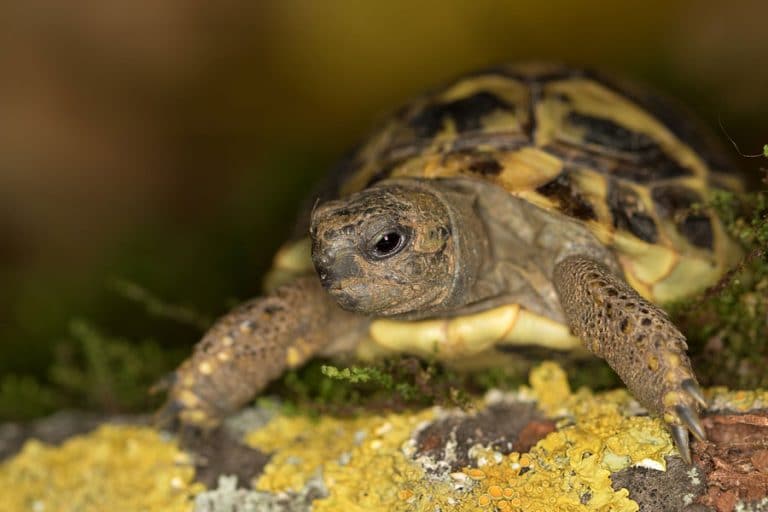
  • Its remaining body parts have yellowish to brown to grey color.
  • Its head, just like its other body parts, may vary in color
  • It has noticeable wider scales that overlap each other
READ MORE:  The Most Important Tortoise Care Everyone Should Know

They are intolerant of high humid environment, thus, they can do well even when housed indoors. But this does not mean that the keepers should keep them indoors for the rest of their life. Allowing them to roam around in an enclosure is ideal to keep them even healthier.

Just like the smaller species, most recommendations discourage housing them in an aquarium. Since aquariums limit the free flow of fresh air, which is very important in a growing animal, an aquarium is the last place you would put your Greek tortoise.

Diet

Although herbivores, they would need sufficient amounts of Calcium to support their daily calcium needs. When in an enclosure, the keeper must ensure that they are getting the required amount of daily calcium through a supplement.
Similar Posts

  • Tortoise Facts

    Many people are interested in reading about tortoises.  They would like to know more about the facts regarding the various aspects of the life of this reptile.  Though biologists have discovered a lot of facts about them, there are still a lot of unknown facts.  These facts are bound to astonish you when you get…

  • Egg Bound Sulcata Tortoise

    Understanding egg binding Egg binding happens when a female is unable to pass the mature eggs that are formed in her reproductive system. Obstacles of egg binding include death of the eggs, inflammation, peritonitis, and scarring of the reproductive tract which might lead to reduced fertility in the future and sometimes even death of the…

  • Radiated Tortoise

    Scientific Classification Kingdom:   Animalia Phylum:     Chordata Class:       Sauropsida Order:        Testudines Suborder:        Cryptodira Family:     Testudinidae Genus:     Astrochelys Species:     A. radiate Binomial name:     Astrochelys radiate One can only rarely see a radiated tortoise Astrochelys Radiate belonging to the endangered species,  but they are very good pets. They belong to the family Testudinidae and are…

  • Hermann’s Tortoise

    Scientific Classification Kingdom:   Animalia Phylum:     Chordata Class:       Reptilia Order:       Testudines Suborder:        Cryptodira Family:     Testudinidae Genus:     Testudo (disputed) Species:     T. hermanni Binomial name:     Testudo hermanni Dating back 200 million years, to the origin of reptiles,  the tortoise survived as a living fossil. The erstwhile population of these animals drastically diminished on account of…

  • Impressed Tortoise

    Scientific Classification Kingdom:   Animalia Phylum:     Chordata Class:       Reptilia Order:        Testudines Family:     Testudinidae Genus:     Manouria Species:     M. impressa Binomial name:     Manouria impressa The species impressed tortoise Manouria, biologically named Manouria impressa, is found in the mountain forest regions in the southeast of Asia in the country of Burma, including the southern part of China,…