Egg Bound Sulcata Tortoise

Egg Bound Sulcata Tortoise

Understanding egg binding

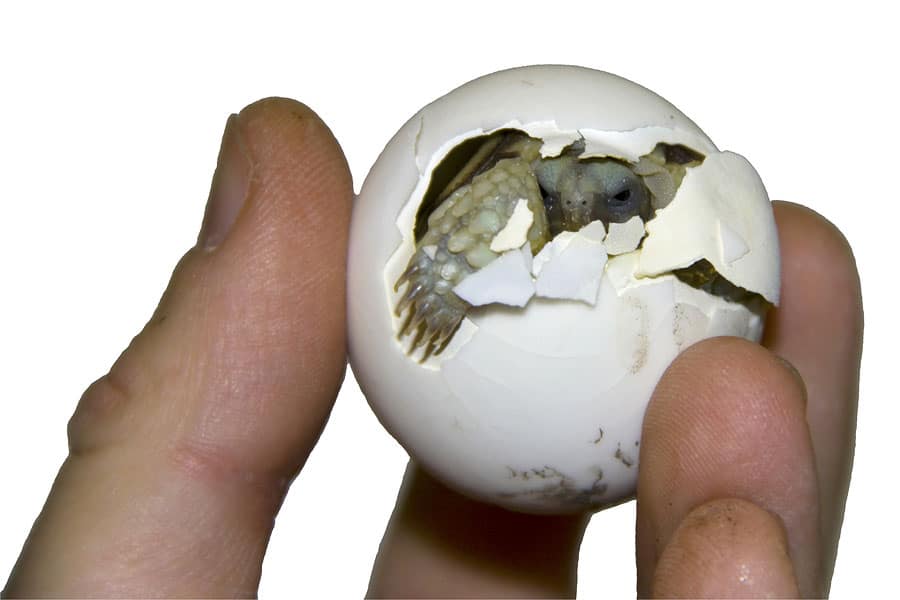
Egg binding happens when a female is unable to pass the mature eggs that are formed in her reproductive system. Obstacles of egg binding include death of the eggs, inflammation, peritonitis, and scarring of the reproductive tract which might lead to reduced fertility in the future and sometimes even death of the female.

What causes egg-binding?

There may be several reasons why a sulcata female cannot pass her eggs. Some of them are:-

  • An overlarge or deformed egg or one that has not been positioned properly, has broken or joined with the other eggs (fractured).
  • An obstructive dystocia; an anatomical defect in the females, making it physically impossible for them to lay eggs.
  • A female might have been exhausted before she could lay all her eggs.
  • Dehydration and malnutrition and sometimes obesity also may be the cause of egg-binding.
  • If the enclosure is too small or the surroundings are overcrowded, the female might go under stress and not lay her eggs.
  • If the female is suffering with infection of reproductive organs or kidney disease the kidneys might get enlarged, thereby blocking the pelvic area partially.
  • Excessive breeding or breeding them if they are too young or too old may cause egg binding.
READ MORE:  Get to Know the Russian Tortoise

What are the signs of egg binding?

A female might look depressed, have swelling in the cloaca and may show sign of difficulty in breathing. They will strain, raise their hinds and dig with their hind feet without laying any eggs.

How can egg binding be treated?

  • Performing surgery on an egg bound sulcata is complicated and takes a lot of time to heal.
  • If the eggs are visible in the cloaca, a needle can be inserted to remove the contents of the egg, making it easier for her to pass the eggs. This process is known as Ovocentesis.
  • A very experienced veterinarian can perform a physical manipulation. This is done by lubricating the cloaca and putting pressure gently to produce the egg.

How to prevent egg binding?

Proper care and nutrition should be given to your pet. Avoid breeding them too young or too old or if they are not keeping well. Egg binding is painful and you don’t want to see your pet in pain. Help her stay healthy and well hydrated to avoid such problems.
Similar Posts

  • Chaco Tortoise

    Scientific Classification Kingdom:   Animalia Phylum:     Chordata Class:       Reptilia Subclass:       Anapsida Order:        Testudines Suborder:        Cryptodira Family:     Testudinidae Genus:     Chelonoidis Species:     C. petersi Binomial name:     Chelonoidis chilensis Chaco Tortoises or the tortoise Chelonoidis Chilensis belong to the family Testudinidae.  The tortoise derives its name from the Chaco regions in Argentina and Paraguay, which…

  • Boulenger’s Cape Tortoise

    Scientific Classification Kingdom:   Animalia Phylum:     Chordata Class:       Reptilia Order:        Testudines Family:     Testudinidae Genus:     Homopus Species:     H. boulengeri Binomial name:     Homopus boulengeri Boulenger’s cape tortoise Homopus Boulengeri, now renamed as Karoo Padloper,  is also called Doonner-wee tortoise or Boulenger’s Padloper. This tortoise belongs to the genus of Homopus and is widespread in the province…

  • Spider Tortoises

    Scientific Classification Kingdom:   Animalia Phylum:     Chordata Class:       Reptilia Order:        Testudines Family:     Testudinidae Genus:     Pyxis Species:     P. arachnoides Binomial name:     Pyxis arachnoides Spider Tortoises belong to the family Testudinidae. This species of tortoise Pyxis arachnoides is endemic or confined to Madagascar. The genus Pyxis has only two species. Arachnoides are one of them.  This is…

  • Yellow Footed Tortoise

    Scientific Classification Kingdom:   Animalia Phylum:     Chordata Class:       Reptilia Order:        Testudines Suborder:        Cryptodira Family:     Testudinidae Genus:     Chelonoidis Species:     C. denticulata Binomial name:     Chelonoidis denticulata The Amazon yellow-footed tortoise (previously called Geochelone denticulate, presently Chelonoidis) is a genus of the group Testudinidae. This tortoise relates to the red-footed tortoise (C. carbonaria). We see them…

  • Egyptian Tortoise

    Scientific Classification Kingdom:   Animalia Phylum:     Chordata Class:       Reptilia Order:        Testudines Suborder:        Cryptodira Family:     Testudinidae Genus:     Testudo Species:     T. kleinmanni Binomial name:     Testudo kleinmanni Egyptian tortoise Testudo Kleinmanni or the Kleinmann’s tortoise, also known as Leith’s tortoise and is one of the critically endangered species on Earth.  The neck-hiding tortoises are decreasing more…

  • Tortoise Facts

    Many people are interested in reading about tortoises.  They would like to know more about the facts regarding the various aspects of the life of this reptile.  Though biologists have discovered a lot of facts about them, there are still a lot of unknown facts.  These facts are bound to astonish you when you get…