
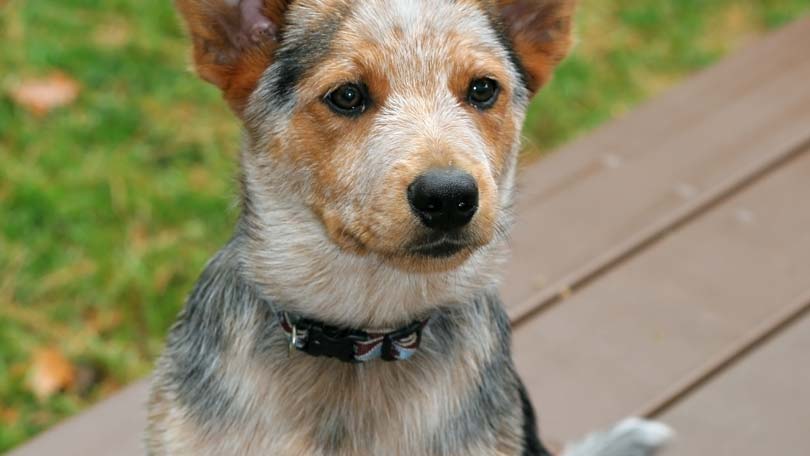
Puppy

When Should I Spay or Neuter My Puppy?

Spaying (for girls) and neutering (for boys) are usually done when a dog is around six months old. This is a good age for a number of reasons. First, most puppies have received all of their vaccines by this time and are therefore protected against some of the germs that may be present in the veterinary hospital. These young dogs are also mature enough that their response to anesthetic agents and other medications is similar to those of older animals, so no special accommodations for their age need to be made.

Some of the technical aspects of spaying and neutering are easier for veterinary surgeons when tissues are still young and “stretchy” and large breeds are not yet too big but smaller breeds aren’t exceptionally tiny. Several of the goals of spaying and neutering are best accomplished before pets reach puberty, which usually occurs around one year of age. Females have almost complete protection against a type of mammary cancer when they are spayed before their first heat, and certain undesirable behaviors in males (e.g. aggression or marking) are best prevented by early neutering rather than waiting to see if problems develop.

READ MORE:  Selecting a Dog

The six-month timeframe is not appropriate under all circumstances (e.g. if a female has a disorder called “puppy vaginitis”), so listen to your veterinarian’s advice as to when your dog should be spayed or neutered.

Article By: Jennifer Coates DVM
Similar Posts

  • Dog Trivia

    Interesting Facts About Dogs Randy Jones Having discovered a fondness for insects while pursuing her degree in Biology, Randi Jones was quite bugged to know that people usually dismissed these little creatures as “creepy-crawlies”. READ MORE:  Introducing a Dog to a Cats Home

  • Disciplining a Dog

    You had an especially long day at work and you were not sure if you would ever be allowed to go home. However, the nightmare was waiting for you at home. As usual, your four-legged friend greeted you at the door with all excitement and wags, making the homecoming that extra bit special that every…

  • Facts about Dogs

    There are several conflicting stories and theories about the way that dogs and humans originally became friends. Archaeologists are still uncovering evidence about the first dogs around the world so our picture of the human-dog relationship is developing all the time. Here are some things that we think we know now. Genetic evidence points to…

  • Dog Flea Repellent

    Fleas and ticks can cause not only discomfort problems in our pets, but also many different health issues ranging from mild to severe. From skin irritation and reactions of the allergic variety to anemia and in some instances, even death, when it comes to protecting your dog from fleas you can never be too cautious….

  • Changing Dog Foods

    Changing dog foods can be problematic for many people and for their dogs. To change or not to change? And, if you do change dog food, there’s no guarantee that the new food will be any better for your dog than the food you were previously using. How do you know if you should change…

  • How Could My Dog Have Gotten Worms

    Four types of intestinal parasites are responsible for most worm infestations in dogs: roundworms, hookworms, whipworms, and tapeworms. Puppies most commonly get roundworms and/or hookworms. They usually acquire these parasites from their mother, either while they are still in utero or through drinking milk that contains worm larvae. Parasitized dogs also contaminate soils when they…