Czech German Shepherds – All About Loyal & Powerful Dog Breed

A Czech German Shepherd is a German Shepherd Dog from a working bloodline first developed in Czechoslovakia to guard the country’s borders. It is not a separate breed, but these dogs are known for their strength, stamina, sharp minds and strong protective instincts.
Czech German Shepherd Quick Facts
| Name | Czech German Shepherd |
| Breed of | Domestic dog (Canis lupus familiaris) |
| Kingdom | Animalia |
| Phylum | Chordata |
| Class | Mammalia |
| Order | Carnivora |
| Family | Canidae |
| Type | Working dog (German Shepherd line) |
| Diet | 2-4 cups of dry food a day |
| Native range | Czech Republic (Czechoslovakia) |
| Lifespan | 12-13 years |
| Colours | Sable, dark brown, wolfish gray or black |
| Special feature | Bred for border patrol; strong guard instincts |

If you are thinking about getting one, it helps to know where these dogs came from and what they need to be happy and healthy.
History of Czech German Shepherds
The German Shepherd breed began in Germany in 1899. In 1955, Czechoslovakia, then a communist country, set up a special breeding kennel run by its border guard service. The goal was to produce tough, clever and hardworking dogs to patrol the border, which at the time was part of the heavily guarded “Iron Curtain” between Eastern and Western Europe.
Only dogs that proved themselves in work were used for breeding, so the line became known for drive, health and strength. Some of the dogs came from East German working lines, and Czech dogs share many traits with East German Shepherds, such as their dark coats and serious working attitude. People often mix the two up.
Today, dogs from Czech lines are still valued by police and military services, including the Czech army, and by people who do dog sports and protection work. They have become popular with owners and breeders in many countries.

What Czech German Shepherds Look Like
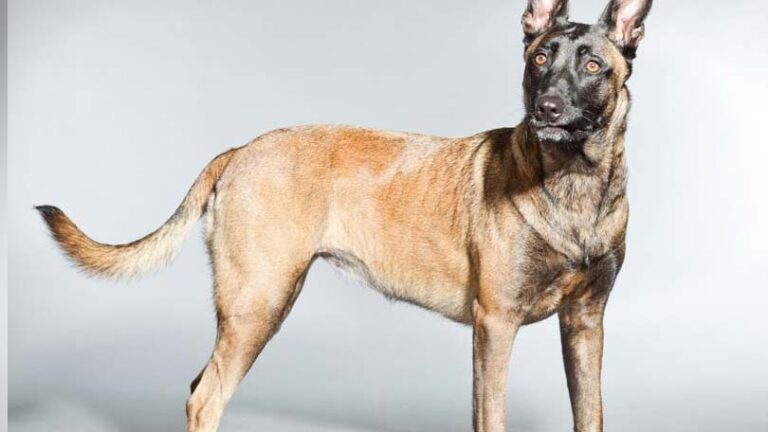
Czech German Shepherds have the classic shepherd look: a strong head, upright pointed ears, a long muzzle and powerful jaws. They are athletic dogs with a deep chest, straight back and strong legs.
Following the breed standard, males usually stand about 24 to 26 inches (60 to 65 cm) at the shoulder and weigh around 66 to 88 pounds (30 to 40 kg). Females are a bit smaller, at about 22 to 24 inches (55 to 60 cm) and 49 to 71 pounds (22 to 32 kg).
Most have a dark sable coat. This means each hair is banded, with dark tips, giving the dog a shadowy, wolf-like look, often with tan or reddish areas on the legs and face. Coat colors range from gray sable to very dark, almost black dogs. Compared with many show-line dogs such as the American German Shepherd, Czech dogs usually have darker coloring and a straighter back.
Personality and Instincts
Czech German Shepherds are loyal, confident and very alert. They were bred to work long hours in tough conditions, so they have plenty of energy and a strong desire to have a job to do.
Some breeds make poor watchdogs because they greet everyone as a friend. That is rarely true of a Czech German Shepherd. Their protective instincts are strong, and without good training they may try to guard you even from friends and visitors.
That is why early training and socialization are so important. Puppies should meet many different people, animals and places, and learn commands for calming down, staying quiet and walking nicely by your side. With good guidance, they learn the difference between a real threat and a normal visitor.
At home, a well-trained Czech Shepherd can be playful and affectionate. They love toys and games and often enjoy cuddling with their families. They are sensitive to their owners’ moods, too.
Are Czech German Shepherds Good Family Pets?
They can be excellent family dogs when raised in the home from puppyhood and well trained. They are loyal to the whole family and often very protective of children. Some dogs are wonderful with kids, but any large, strong dog should always be supervised around young children, and kids should learn not to pull ears or fur.
They are not the right choice for every family, though. They need a lot of exercise, training and attention every day, and they do best in a home with a secure yard. A small apartment and a busy family with little free time is usually not a good match. Many experts suggest that first-time owners start with a puppy from a responsible breeder, or adopt an adult whose temperament and history are well known.
Caring for a Czech German Shepherd
Training
These dogs are very smart and eager to work, so they learn quickly. The best way to train them is with positive reinforcement: rewarding good behavior with treats, toys, praise and other displays of affection. Keep sessions short, fun and regular.
Many Czech Shepherds enjoy dog sports such as obedience, tracking, agility and IGP (once called Schutzhund), which tests tracking, obedience and protection skills. Protection training should only be done with an experienced professional trainer.
Exercise
Czech German Shepherds have tremendous stamina. Most adults need at least one to two hours of activity every day, such as long walks, runs, fetch, training games and puzzle toys. A bored shepherd may bark, chew or dig. Puppies should not do long runs or lots of jumping until their bones have finished growing.
Feeding
Feed a good-quality dog food suited to a large, active breed. Puppies usually eat three or four small meals a day, and adults usually eat two meals. Most adults need roughly 2.5 to 4 cups of dry food a day, depending on their size and activity level, but always check the food label and ask your vet.
Do not overfeed. Extra weight puts strain on the hips and joints. Deep-chested dogs like shepherds can suffer from bloat, a dangerous stomach problem, so many vets advise avoiding hard exercise for about an hour before and after meals.
Grooming
Czech Shepherds have a thick double coat and shed all year. They are likely to shed heavily once or twice a year, usually in spring and autumn, when they “blow” their undercoat. Brushing a few times a week, and every day during heavy shedding, keeps the coat healthy and reduces hair around the house.
Health
With good care, Czech German Shepherds usually live about 9 to 13 years. Like other German Shepherds, they can develop hip and elbow dysplasia and some other inherited problems. Choose a breeder who health-tests their dogs, and take your dog for regular checkups with a vet.
The Bottom Line
Czech German Shepherds are loyal, intelligent and hardworking dogs with a proud history as border guards. They make wonderful companions for active owners who can give them daily exercise, steady training and plenty of attention. If you have the time, space and energy, a Czech Shepherd can be a devoted family protector and friend for many years.
Czech German Shepherd FAQs
Are Czech German Shepherds good family dogs?
Yes, if they are raised at home from a puppy. They are loyal and protective, but they need lots of space and exercise, so they are not a good fit for a small flat.
How long do Czech German Shepherds live?
About 12 to 13 years when they are healthy and live in the right conditions.
What colour are Czech German Shepherds?
Mostly dark. They usually have a sable coat that looks black, but the colours can range from dark brown to wolfish gray to black.
How much do Czech German Shepherds eat?
Usually two to four cups of dry food a day. Puppies need three meals a day and adults two.
Where do Czech German Shepherds come from?
They come from the Czech Republic (then Czechoslovakia), where the Czech army’s border control branch bred them to patrol the border.

Nato is a content writer and researcher with a background in psychology who’s eager to explore the wonders of nature. As a travel enthusiast and animal lover, she hopes to inspire others to discover and cherish the beauty and importance of the natural world.