Insects

Insects are the most diverse group of animals on Earth, with more than a million described species and many more still waiting to be named. Every adult insect shares the same basic body plan: six legs, a body divided into head, thorax and abdomen, and a hard outer skeleton that must be shed for it to grow. Many, like butterflies and beetles, go through complete metamorphosis from larva to pupa to adult, while others, such as grasshoppers, grow gradually through nymph stages. Insects pollinate crops, recycle dead plants and animals, and feed countless birds, fish and mammals.

Explore the colorful world of butterflies, the busy colonies of bees and ants, and the armored variety of beetles, along with sections on dragonflies, mantises, ladybugs and wasps. Life cycle guides show how insects from cicadas to mosquitoes develop, and practical pages on bed bugs, fleas, lice and cockroaches help families understand the pests they meet at home or when camping.

Start here: Rove Beetle · How Many Legs Do Ants Have? · Dragonfly Life Cycle · Grasshopper Life Cycle – 3 Stages & Unique Characteristics · Ladybug Anatomy · Beetle Life Cycle

Browse by group: Ants · Bed Bug · Bees · Beetles · Butterflies · Caterpillar · Cockroach · Dragonfly · Flea · Fly · Grasshopper · Ladybug · Lice · Mantis · mosquito · Moth · Wasps

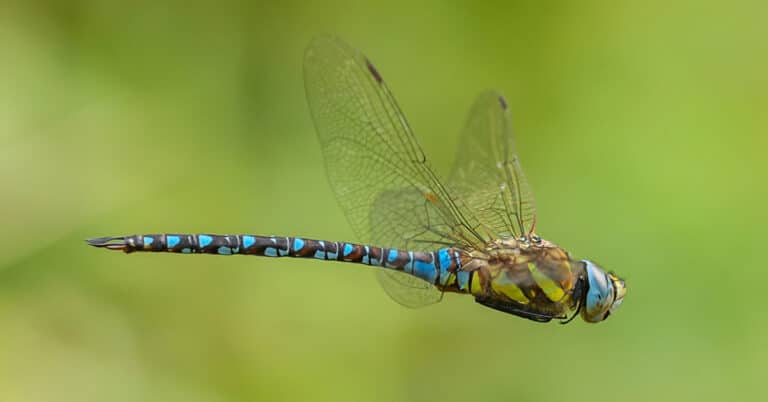
  • Blue Dragonfly

    Scientific Classification & Quick Facts Common name Blue dasher Scientific name Pachydiplax longipennis Kingdom Animalia Phylum Arthropoda Class Insecta Order Odonata Family Libellulidae Genus Pachydiplax Conservation status Least Concern Type Insect (dragonfly) Diet Carnivore: mosquito larvae, flies, other insects Habitat Ponds, marshes, lakes and bogs Native range United States, Canada and Mexico Size Adults about…

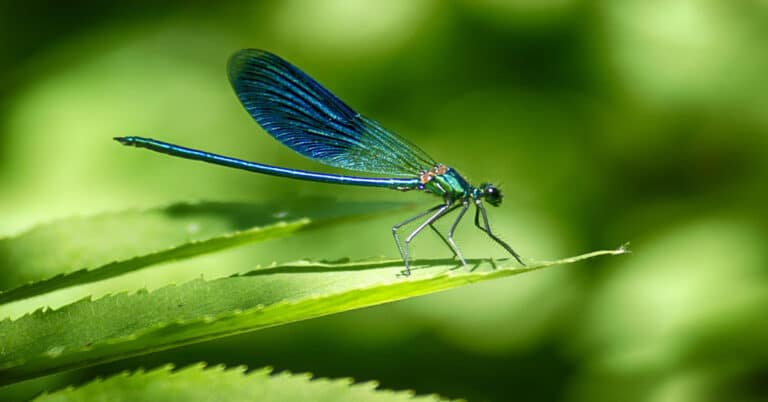
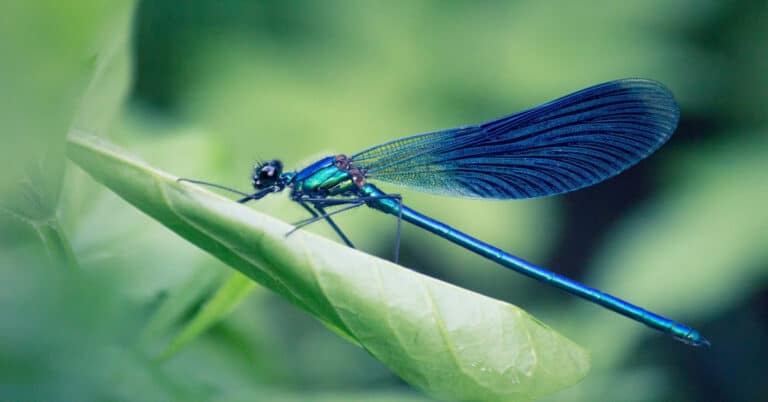
  • Damselfly

    Damselflies are flying insects from the Odonata order and Zygoptera suborder. In appearance, they are quite similar to the Dragonflies that belong to the Anisoptera suborder, but are comparatively lighter in build than the latter ones. The Damselflies are believed to exist from the period of the Lower Permian, and are widely distributed on every…

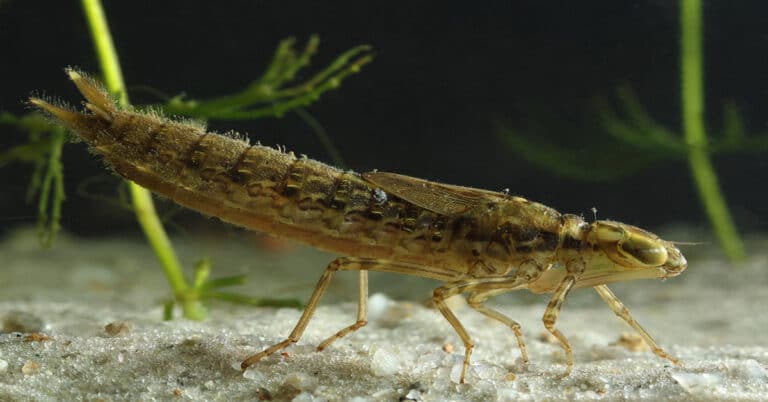
  • Dragonfly Larvae

    A Dragonfly Insect belongs to the suborder Anisoptera, and to the Odonata order. It is small and fragile in appearance but is considered as a voracious predator. Researches on dragonfly reveal that they are one of the most effective, brutal hunters in the whole animal kingdom. A dragonfly larva is evolved from the hatched egg….

  • Types of Dragonflies

    Dragonflies, an amazing and unique insect is from the order Odonata and the Anisoptera suborder. The attractive characteristic of this creature is its multifaceted large eyes, elongated body, and four transparent and strong wings, with colored markings. They are often misunderstood as damselfly, which has a similar structure, but the latter has a slightly lower…

  • Dragonfly Facts

    There are lots of fun and interesting facts about dragonflies. Some facts about dragonflies are scientifically proven facts and some are actually myths about dragonflies that have been around for as long as hundreds of years. Can you tell the difference between the myths and the facts about dragonflies? Dragonfly Quick Facts Common name Dragonfly…

  • What Do Dragonflies Eat?

    Quick answer: Dragonflies eat other insects, especially mosquitoes, flies, midges, and gnats, which they catch in flight. Dragonfly nymphs live in water and eat mosquito larvae, tadpoles, and small fish. We watch dragonflies flying around the pond and they are beautiful. But what DO dragonflies eat? A dragonfly is an agile predator. Adult dragonflies and dragonfly…

  • Do Dragonflies Bite?

    Quick answer: Dragonflies rarely bite people. They can give a small nip if grabbed or handled, but their jaws are too weak to break human skin much and they are not venomous. They are harmless to people and help control mosquitoes. Scientific Classification Kingdom:   Animalia Phylum:      Arthropoda Class:          Insecta Order:        Odonata Suborder:   Anisoptera Quick Facts…

  • Dragonfly – One Of Nature’s Most Intriguing And Fascinating Insects

    One of Nature’s most intriguing and fascinating insects, and the subject of mankind’s most sublime and ridiculous myths and mythologies, the dragonfly darts around going about its business as usual, blissfully unaware and oblivious to the interest it has generated in us. And perhaps thankfully for us because if the dragonfly were to understand that…

  • Ladybugs Helping Gardeners

    The scientific name for a ladybug is a Coccinellidae, which means ‘little red sphere’, or Coleoptera, which means ‘sheath-winged’, but most people just call them ladybugs, lady beetles, or ladybird beetles. There are different versions of how these beetles came to be known as ladybugs, but one of the most popular versions is that during…