List of Butterflies in North Dakota
The following list of butterflies are found in North Dakota. Clicking on the text link will show you a picture of the butterfly and which specific counties in North Dakota the butterfly is found in. Each link also provides more information about the butterfly’s identification and life history. This will help you decide which Butterfly Nectar Plants and Butterfly Host Plants you will want to plant when you create your butterfly garden. Simply find which butterflies are in your area, grow the plants the caterpillars like to eat, and plants that adult butterflies feed on! You can prolong the butterfly’s stay in your garden and draw in others by providing both the food and shelter they need.
Brush-footed Butterflies (Nymphalidae)
Admirals and Relatives (Limenitidinae)
‘Astyanax’ Red-spotted Purple (Limenitis arthemis astyanax)
Red-spotted Purple (Limenitis arthemis)
Viceroy (Limenitis archippus)
Weidemeyer’s Admiral (Limenitis weidemeyerii)
White Admiral (Limenitis arthemis arthemis)
Emperors (Apaturinae)
Hackberry Emperor (Asterocampa celtis)
Tawny Emperor (Asterocampa clyton)
Longwings (Heliconiinae)
Aphrodite Fritillary (Speyeria aphrodite)
Callippe Fritillary (Speyeria callippe)
Edwards’ Fritillary (Speyeria edwardsii)
Great Spangled Fritillary (Speyeria cybele)
Gulf Fritillary (Agraulis vanillae)
Meadow Fritillary (Boloria bellona)
Mormon Fritillary (Speyeria mormonia)
Regal Fritillary (Speyeria idalia)
Silver-bordered Fritillary (Boloria selene)
Variegated Fritillary (Euptoieta claudia)
Milkweed Butterflies (Danainae)
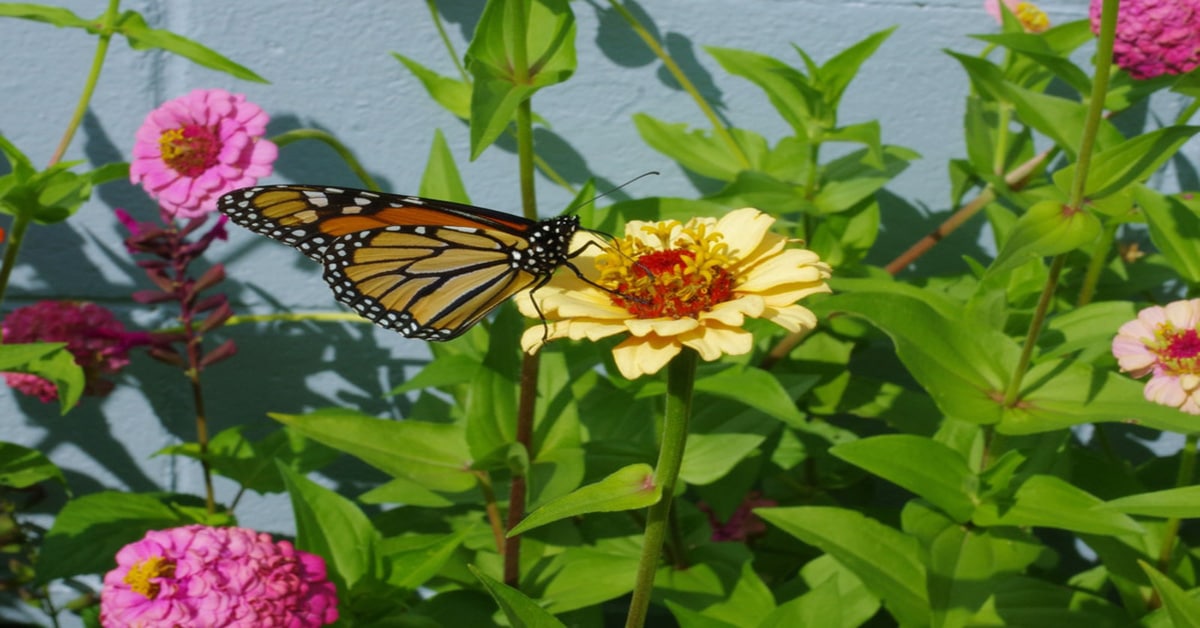
Monarch (Danaus plexippus)
Queen (Danaus gilippus)
Snouts (Libytheinae)
American Snout (Libytheana carinenta)
True Brushfoots (Nymphalinae)
American Lady (Vanessa virginiensis)
California Tortoiseshell (Nymphalis californica)
Common Buckeye (Junonia coenia)
Compton Tortoiseshell (Nymphalis vaualbum)
Eastern Comma (Polygonia comma)
Gorgone Checkerspot (Chlosyne gorgone)
Gray Comma (Polygonia progne)
Green Comma (Polygonia faunus)
Harris’ Checkerspot (Chlosyne harrisii)
Hoary Comma (Polygonia gracilis)
Milbert’s Tortoiseshell (Aglais milberti)
Mourning Cloak (Nymphalis antiopa)
Northern Crescent (Phyciodes cocyta)
Painted Lady (Vanessa cardui)
Pearl Crescent (Phyciodes tharos)
Question Mark (Polygonia interrogationis)
Red Admiral (Vanessa atalanta)
Sagebrush Checkerspot (Chlosyne acastus)
Satyr Comma (Polygonia satyrus)
Silvery Checkerspot (Chlosyne nycteis)
Tawny Crescent (Phyciodes batesii)
Texan Crescent (Phyciodes texana)
Variable Checkerspot (Euphydryas chalcedona)
West Coast Lady (Vanessa annabella)
Harvesters (Miletinae)
Harvester (Feniseca tarquinius)
Metalmarks (Riodinidae)
Mormon Metalmark (Apodemia mormo)
Parnassians and Swallowtails (Papilionidae)
Parnassians (Parnassiinae)
Rocky Mountain Parnassian (Parnassius smintheus)
Swallowtails (Papilioninae)
Anise Swallowtail (Papilio zelicaon)
Black Swallowtail (Papilio polyxenes)
Canadian Tiger Swallowtail (Papilio canadensis)
Eastern Tiger Swallowtail (Papilio glaucus)
Giant Swallowtail (Papilio cresphontes)
Old World Swallowtail (Papilio machaon)
Pale Swallowtail (Papilio eurymedon)
Spicebush Swallowtail (Papilio troilus)
Two-tailed Swallowtail (Papilio multicaudata)
Skippers (Hesperiidae)
Giant-Skippers (Megathyminae)
Strecker’s Giant-Skipper (Megathymus streckeri)
Spread-wing Skippers (Pyrginae)
Afranius Duskywing (Erynnis afranius)
Common Checkered-Skipper (Pyrgus communis)
Common Sootywing (Pholisora catullus)
Dreamy Duskywing (Erynnis icelus)
Juvenal’s Duskywing (Erynnis juvenalis)
Mohave Sootywing (Hesperopsis libya)
Northern Cloudywing (Thorybes pylades)
Persius Duskywing (Erynnis persius)
Silver-spotted Skipper (Epargyreus clarus)
Sleepy Duskywing (Erynnis brizo)
Small Checkered-Skipper (Pyrgus scriptura)
Courtesy of: Opler, Paul A., Harry Pavulaan, Ray E. Stanford, Michael Pogue, coordinators. 2006.
Butterflies and Moths of North America. Bozeman, MT: Mountain Prairie Information Node.
Having discovered a fondness for insects while pursuing her degree in Biology, Randi Jones was quite bugged to know that people usually dismissed these little creatures as “creepy-crawlies”.