Blog

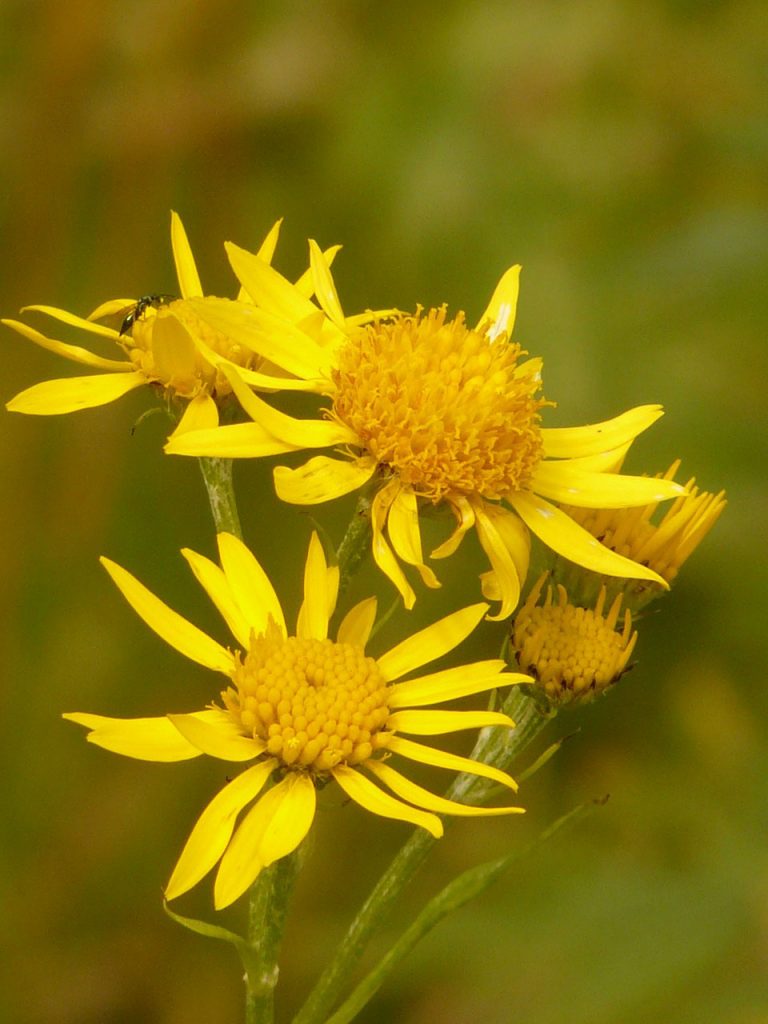
  • Arnica Montana

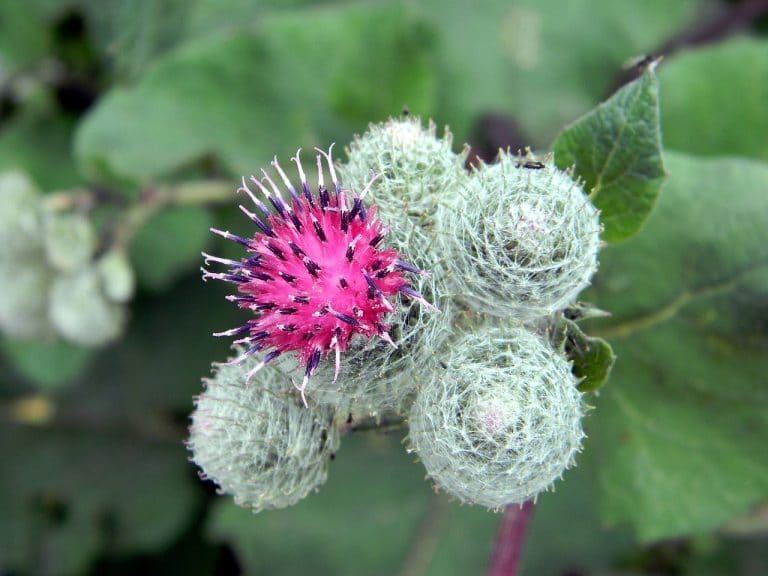
    Scientific Classification & Quick Facts Common name Arnica Scientific name Arnica montana Kingdom Plantae Phylum Tracheophyta Class Magnoliopsida Order Asterales Family Asteraceae Genus Arnica Conservation status Least Concern Type Perennial herb in the daisy family Habitat Mountain meadows, pastures, light forest; poor, acidic soil Native range Europe: southern Iberia to southern Scandinavia Colours Bright yellow…
  • Argan Oil

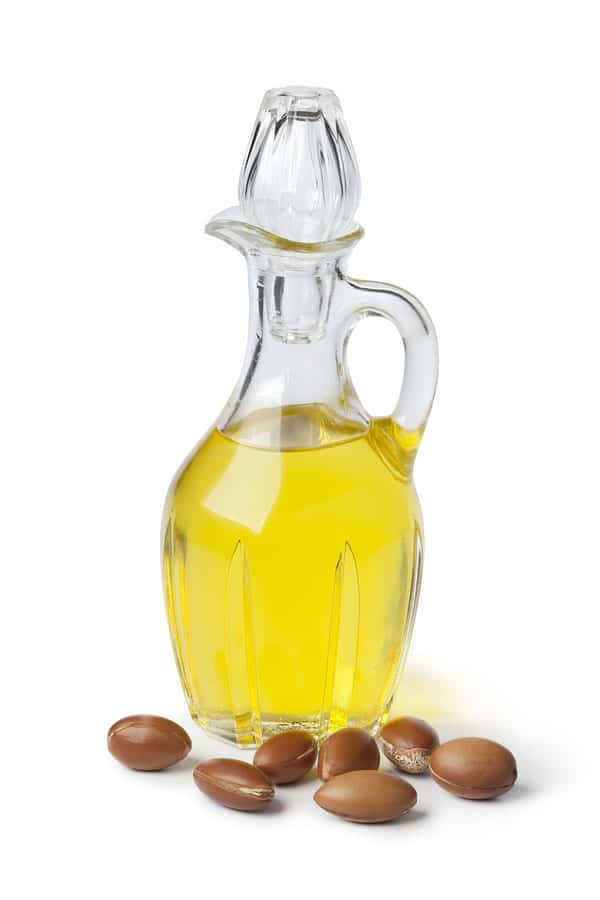
    Argan oil is a plant oil made from the kernels inside the fruit of the argan tree, whose scientific name is Argania spinosa. The tree grows naturally in southwestern Morocco, where people have cooked with argan oil for centuries. Moroccans dip bread in it at breakfast and drizzle it over couscous and other dishes. Today…

  • Aniseed

    Scientific Classification & Quick Facts Common name Aniseed Scientific name Pimpinella anisum Kingdom Plantae Phylum Tracheophyta Class Magnoliopsida Order Apiales Family Apiaceae Genus Pimpinella Type Annual herb in the carrot family Native range Southwest Asia and the eastern Mediterranean Size Seeds 3–6 mm long Colours Tiny white flowers Height Up to 90 cm Edible parts…

  • Alfalfa

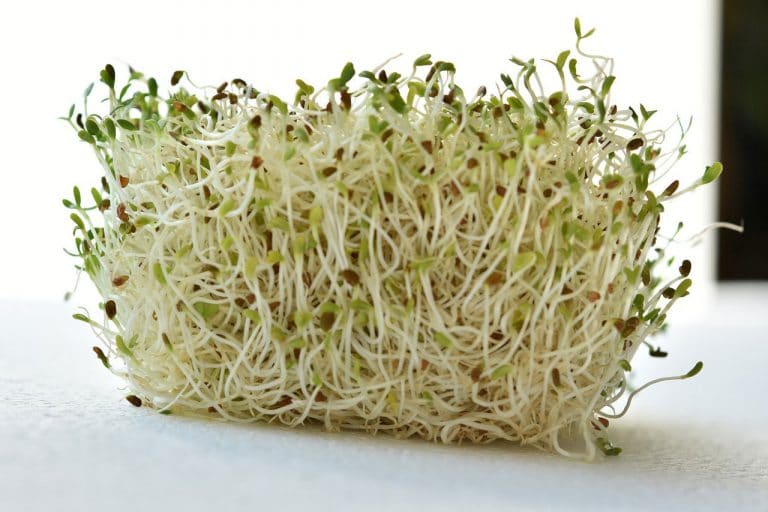
    Scientific Classification Alfalfa or Medicago Sativa is otherwise named Lucerne. This belongs to the pea family called Fabaceae and is a plant that flowers. In several countries all over the world, it is considered an essential forage crop. The name alfalfa which is Spanish-Arabic is used to a great extent, especially in Australia and North…

  • Agrimony

    Agrimony is a wildflower and herb in the rose family, best known for its tall spikes of small yellow flowers and its sticky, hooked seed heads. The most familiar species, common agrimony (Agrimonia eupatoria), has been used as a traditional herbal remedy in Europe since the days of the ancient Greeks. Scientific Classification & Quick…

  • Agnus Castus – Vitex

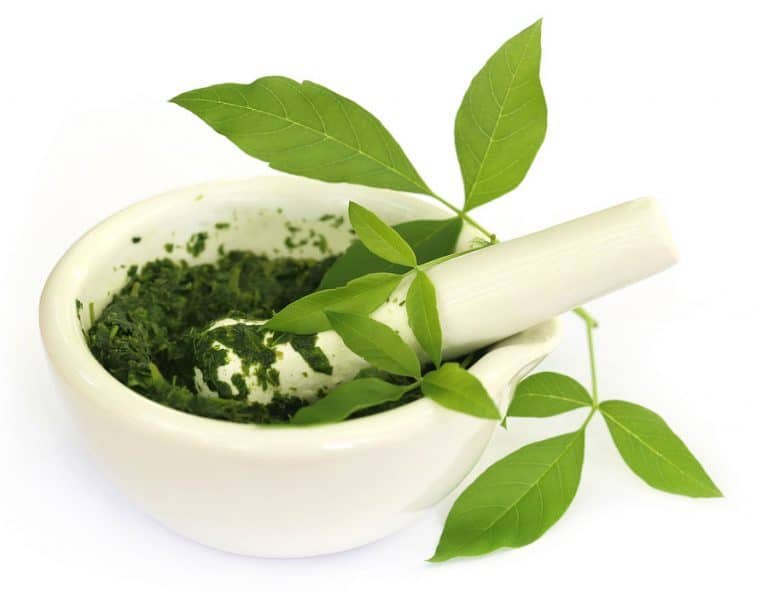
    Scientific Classification & Quick Facts Common name Agnus castus Scientific name Vitex agnus-castus Kingdom Plantae Phylum Tracheophyta Class Magnoliopsida Order Lamiales Family Lamiaceae Genus Vitex Conservation status Data Deficient Type Bushy shrub, also called Vitex Habitat Riverbanks and coasts; full sun, well-drained soil Native range Asia and the Mediterranean Special feature Berries used in herbal…

  • Yerba Mate

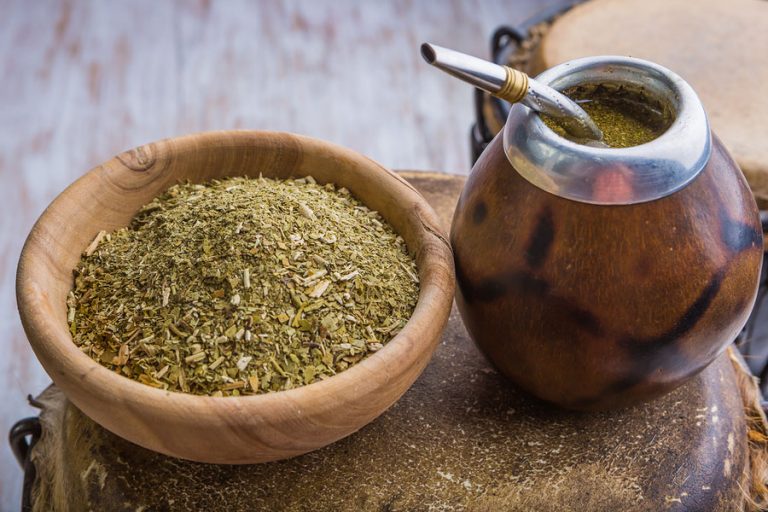
    Scientific Classification & Quick Facts Common name Yerba mate Scientific name Ilex paraguariensis Kingdom Plantae Phylum Tracheophyta Class Magnoliopsida Order Aquifoliales Family Aquifoliaceae Genus Ilex Conservation status Near Threatened Type Evergreen shrub that grows into a tree Habitat Near springs and rivers; rich, moist, sandy soil Native range Paraguay, Brazil, Argentina and Uruguay Colours Greenish-white…

  • Yarrow

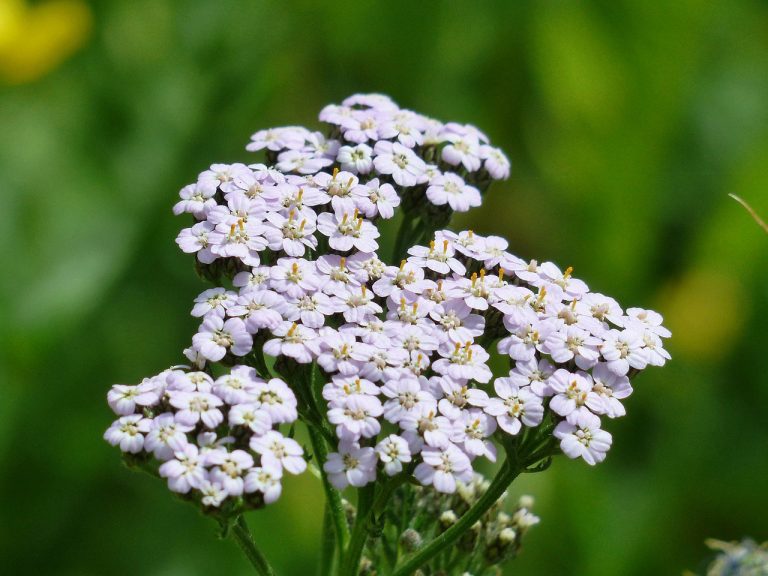
    Scientific Classification & Quick Facts Common name Yarrow Scientific name Achillea millefolium Kingdom Plantae Phylum Tracheophyta Class Magnoliopsida Order Asterales Family Asteraceae Genus Achillea Conservation status Least Concern Type Herbaceous perennial wildflower Habitat Old fields, pastures, roadsides and meadows Native range Temperate Europe and Asia Colours White to yellowish-white flowers Flowering season May to August…

  • 5-HTP

    An immediate precursor of the monoamine neurotransmitter serotonin is called 5-HTP (5-hydroxytryptophan). In the regulation of moods, appetite, and body temperature, Serotonin plays a vital role. Many disparate conditions like depression are linked and connected with the deficiency of serotonin. Other conditions like Anxiety, Suicidal Tendency, Violent Behavior, PMS, Compulsive Gambling, Insomnia, Affective disorder (seasonal),…

  • Wormwood

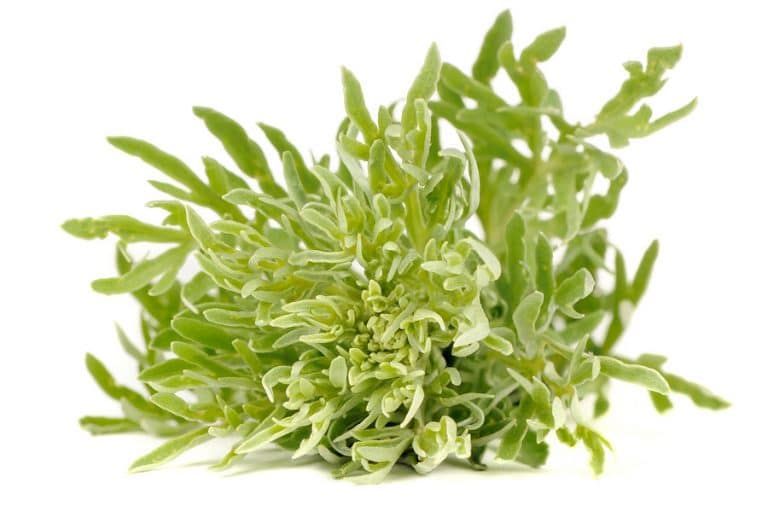
    Scientific Classification & Quick Facts Common name Wormwood Scientific name Artemisia absinthium Kingdom Plantae Phylum Tracheophyta Class Magnoliopsida Order Asterales Family Asteraceae Genus Artemisia Type Herbaceous perennial Habitat Dry soil, waste places and roadsides Native range Temperate Europe, North Africa and Siberia Colours Silvery-grey leaves, pale yellow flowers Flowering season Early summer to early autumn…

  • White Oak

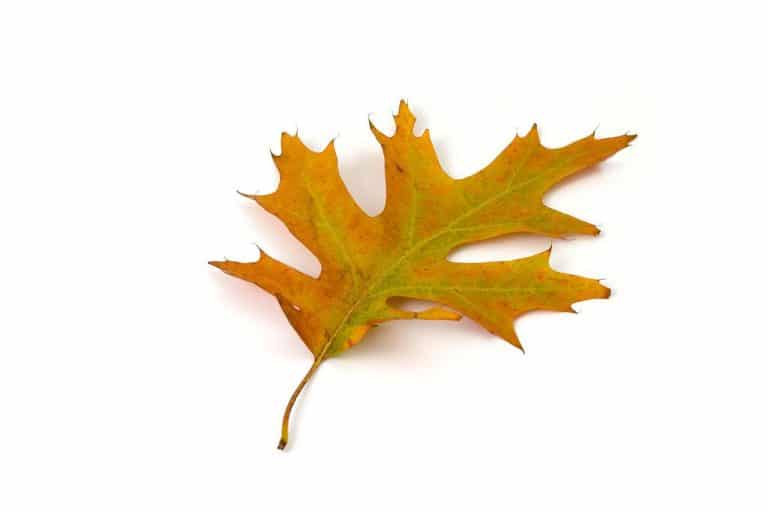
    Scientific Classification & Quick Facts Common name White oak Scientific name Quercus alba Kingdom Plantae Phylum Tracheophyta Class Magnoliopsida Order Fagales Family Fagaceae Genus Quercus Conservation status Least Concern Type Large, long-lived deciduous tree Habitat Valleys, ridges, and the banks of ponds, lakes and streams Native range Eastern United States, from Quebec to Georgia and…

  • Wheatgrass

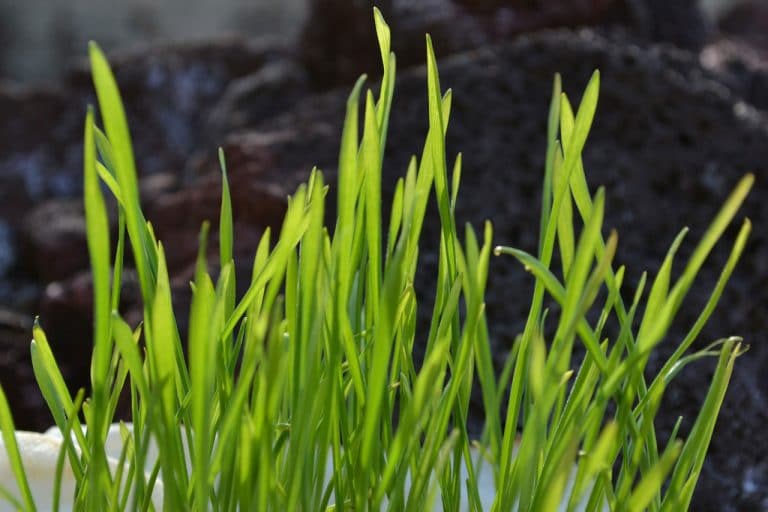
    Scientific Classification & Quick Facts Common name Wheatgrass Scientific name Triticum aestivum Kingdom Plantae Phylum Tracheophyta Class Liliopsida Order Poales Family Poaceae Genus Triticum Type Young wheat shoots (a grass) Colours Dark green, rich in chlorophyll Height Harvested at about 6 inches Edible parts Young shoots, usually juiced Special feature Easy to grow indoors in…