House Gecko
Fast Becoming Popular in the Pet Trade All Over America
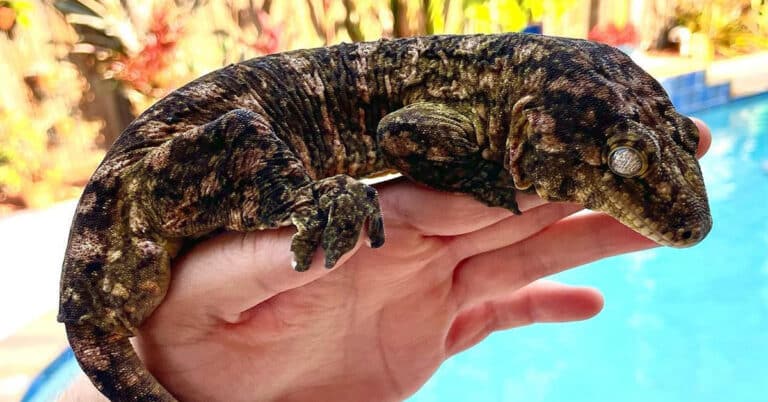
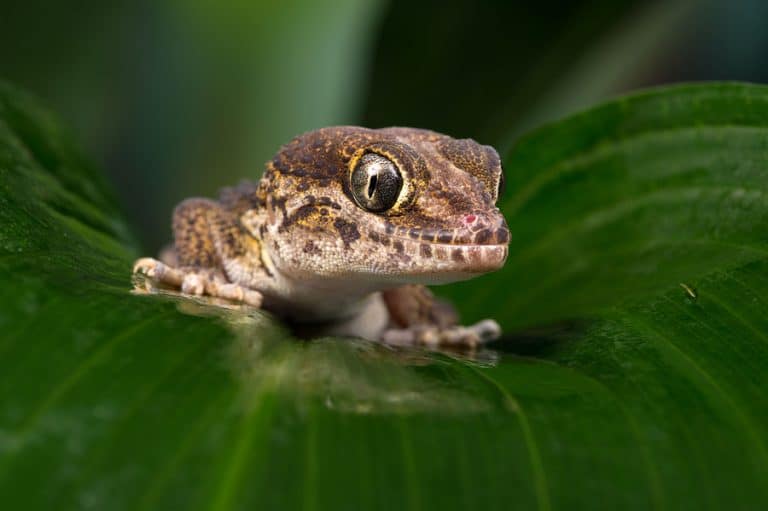
Hailing from the tropics of Asia, Hemidactylus Frenatus, or the popularly called Mediterranean House Gecko settled all over America by migrating on ships. Believed to live in the homes in southeastern and western areas of America, this species of the common house gecko is fast becoming popular in the pet trade all over America. House geckos are cheap and easy to take care of by beginners and those who already have experience with reptiles.
Anatomy
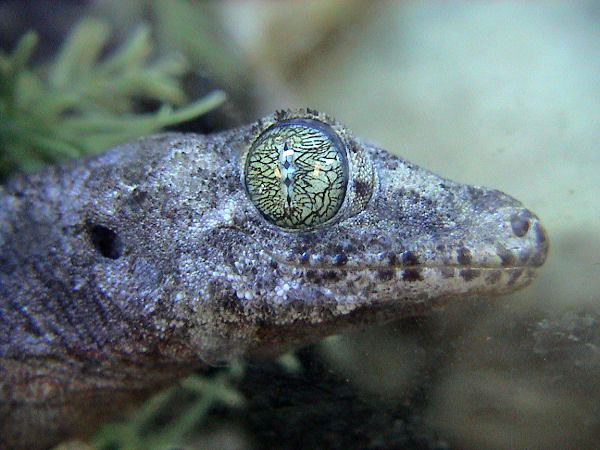
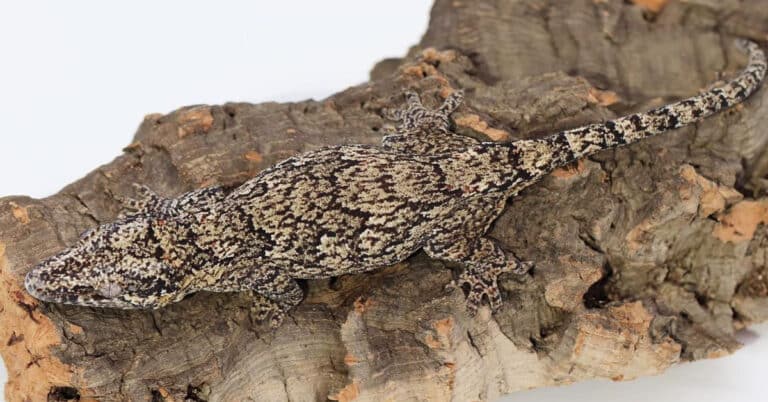
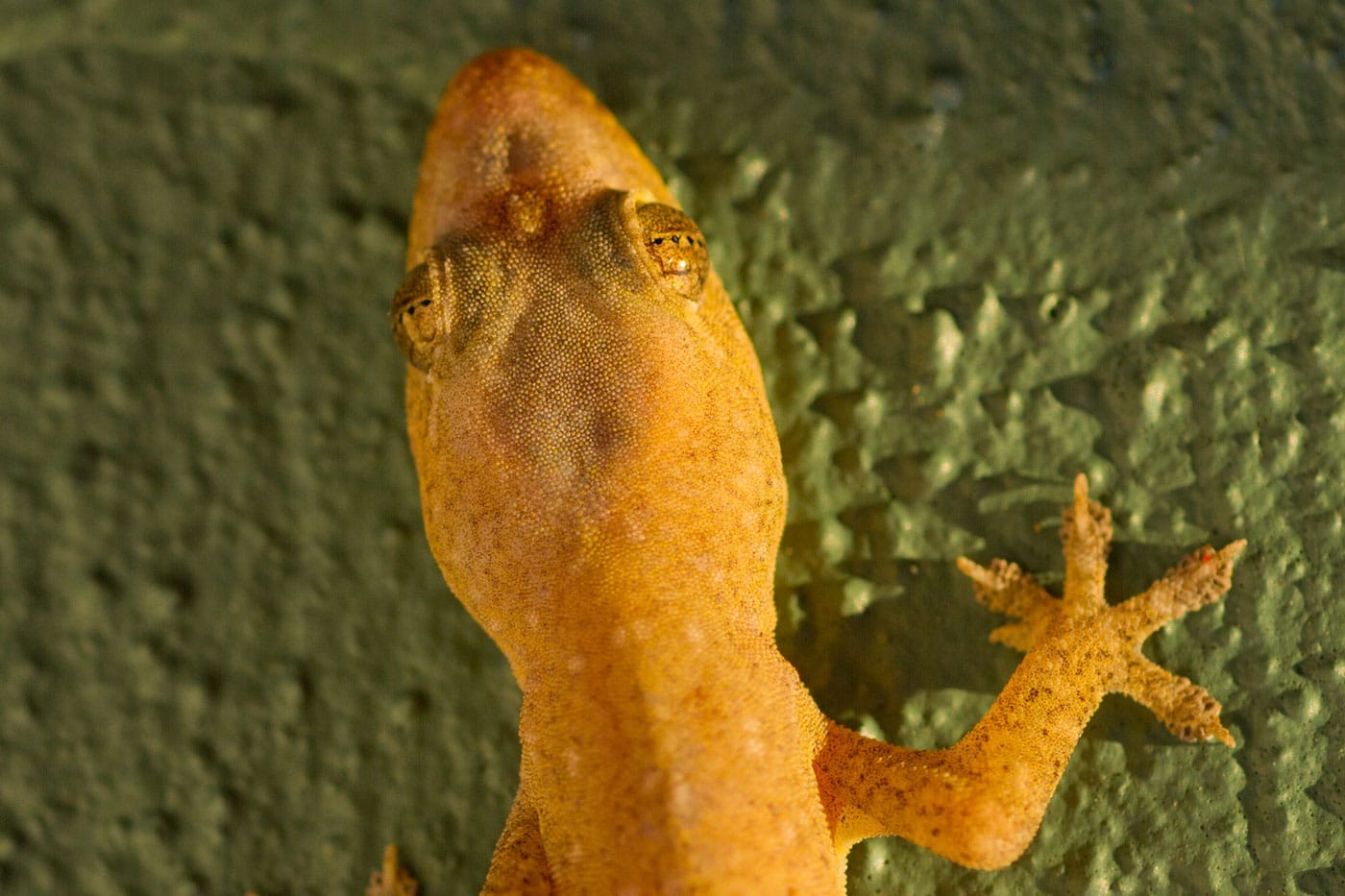
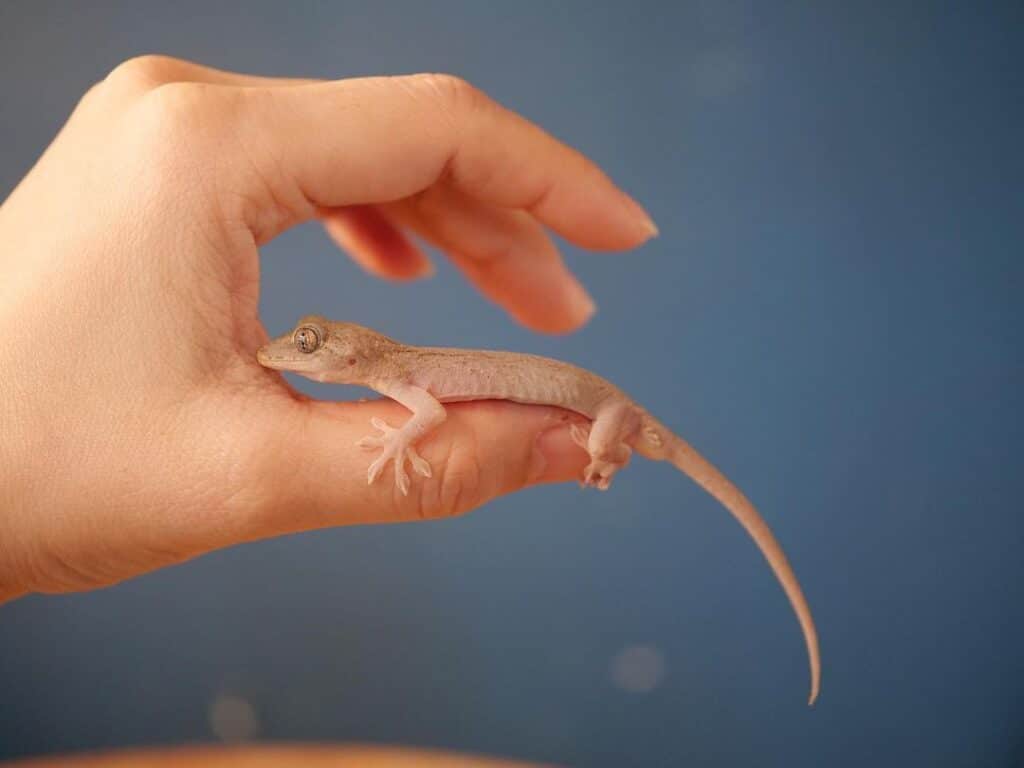
The scales on the back of the House Gecko are either alike or they can vary.These geckos have a perpendicular pupil for the eye. The males have femoral or pre-anal pores. Each toe displays a willowy clawed joint that is distal and placed at an angle. Their size extends from 3-7 inches and they live for about 2-10 years.
Beneath their semi-webbed toes and fingers, they possess a double-layered design that is similar to a pinnately compound stem with two terminal leaflets. On account of this the species of the southern Asia and nearby places acquire the uncertain name “leaf-toed geckos” to avoid perplexity among the numerous leaf-toed Gekkota that do not form part of the species Hemidactylus.
Housing
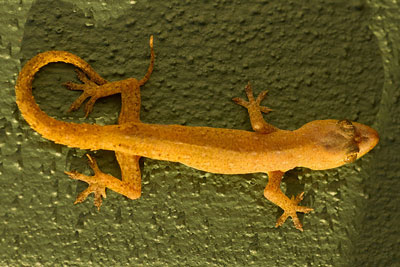
A tank with a 5-10 gallon capacity keeps a house gecko contented. You have to add a 5 gallon size of tank per extra gecko included. As the number increases add 5 gallons to every extra gecko, thus a 20 gallon tank will suffice for four geckos. At no time place two male geckos in the same tank as they are likely to quarrel. You better make sure that your tank is taller than the breadth as this will help the geckos to enjoy their passion for climbing. House Geckos easily slip out from minute gaps; so be sure your tank is gap-free.
Heating/Lighting
Moderate heat is essential for a reptile to live; hence lack or excess heat will make them inert and finally they will get ill or die. To keep your house gecko healthy, you must judiciously control the temperature to 87°-95°F during the day and to about 80°-85°F at night. To uphold the body temperature of your geckos, the tank should have a warm and a cool part to enable your gecko to adjust its body temperature.
Humidity/Shedding
Since House geckos belong to tropics they need moist surroundings with a humidity of of about 60%-90%. You can use a mechanical humidifier or a spraying bottle to make sure of this. However, make sure that the bottle was never used to store or dispense any chemicals earlier.
Feeding/Water
It is likely that your gecko will refuse to take food the day you get it, and so you do not need to feed it. The practical method to know whether it is grown up is to see if its length is bigger than the length between its eyes. A newly hatched house gecko will thrive happily on pin headed crickets, fruit flies and beetle larva. Feed the adult House Gecko on alternate days with two crickets but always leave a dish full of meal worm throughout the day.
Handling
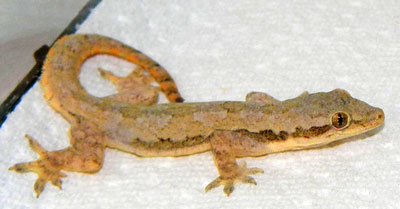
As a rule, do not handle the house gecko, because it becomes stressed and sheds its tail, though the tail grows back. In case you need to clean your tank, you have to hold them. Therefore clean your hands before handling them as your hands may contain substances not favorable for your reptile which would make them sick or probably die. Reptiles have Salmonella on them, so make sure you wash your hands immediately.
Having discovered a fondness for insects while pursuing her degree in Biology, Randi Jones was quite bugged to know that people usually dismissed these little creatures as “creepy-crawlies”.