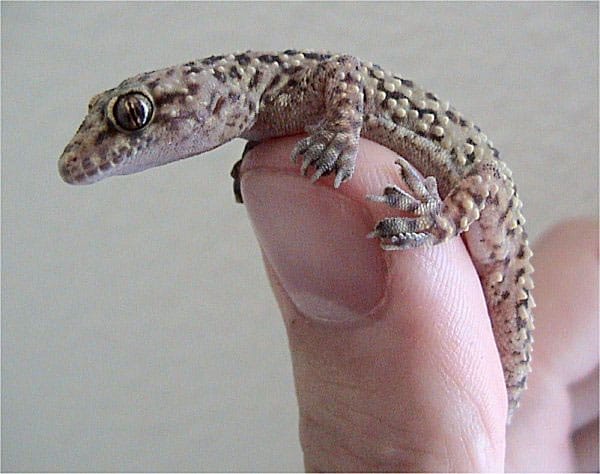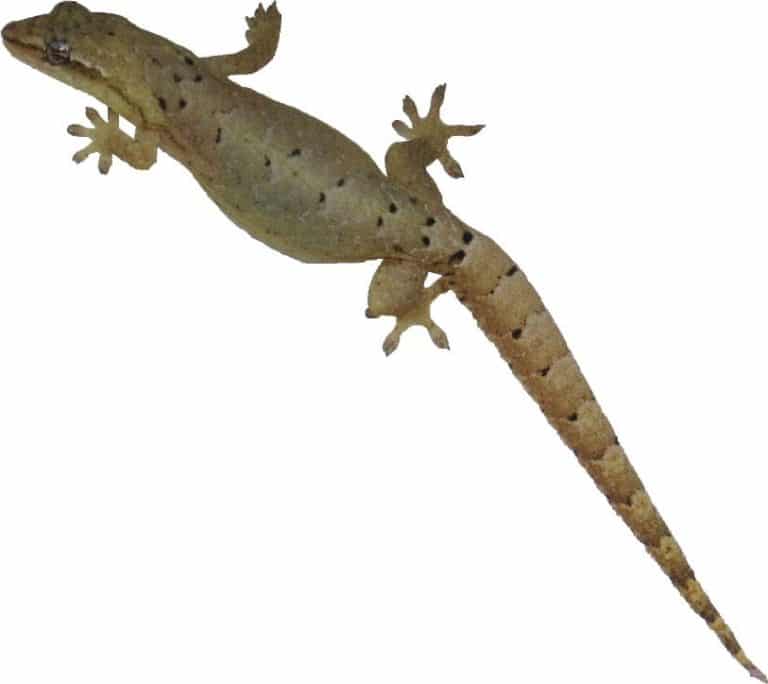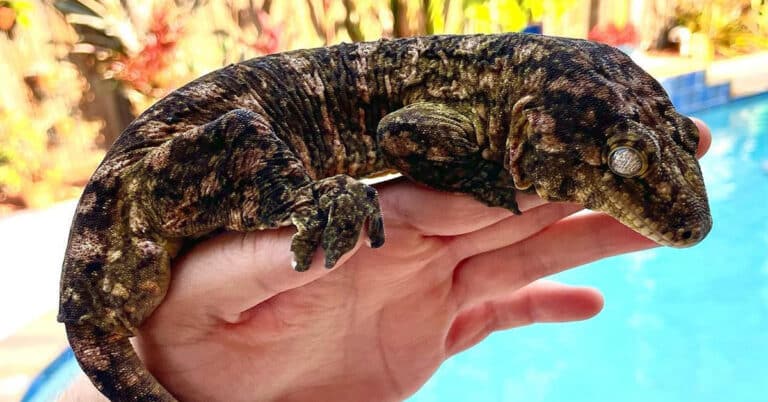
Day Geckos: Not Suitable Pets For Beginners
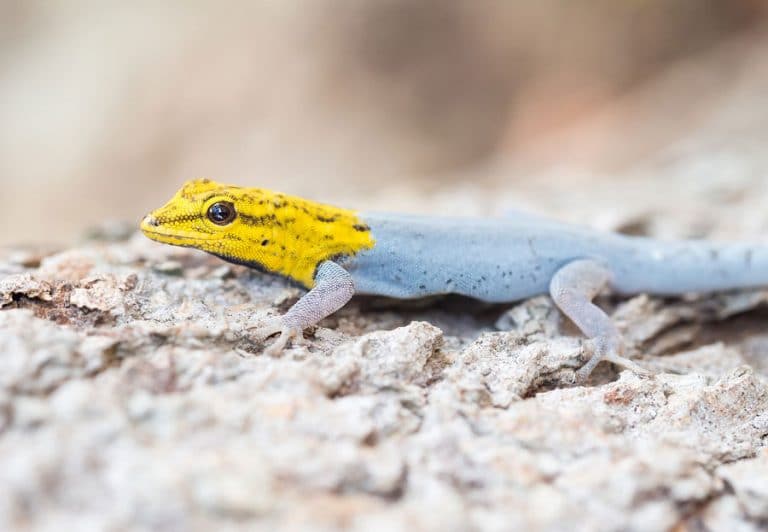
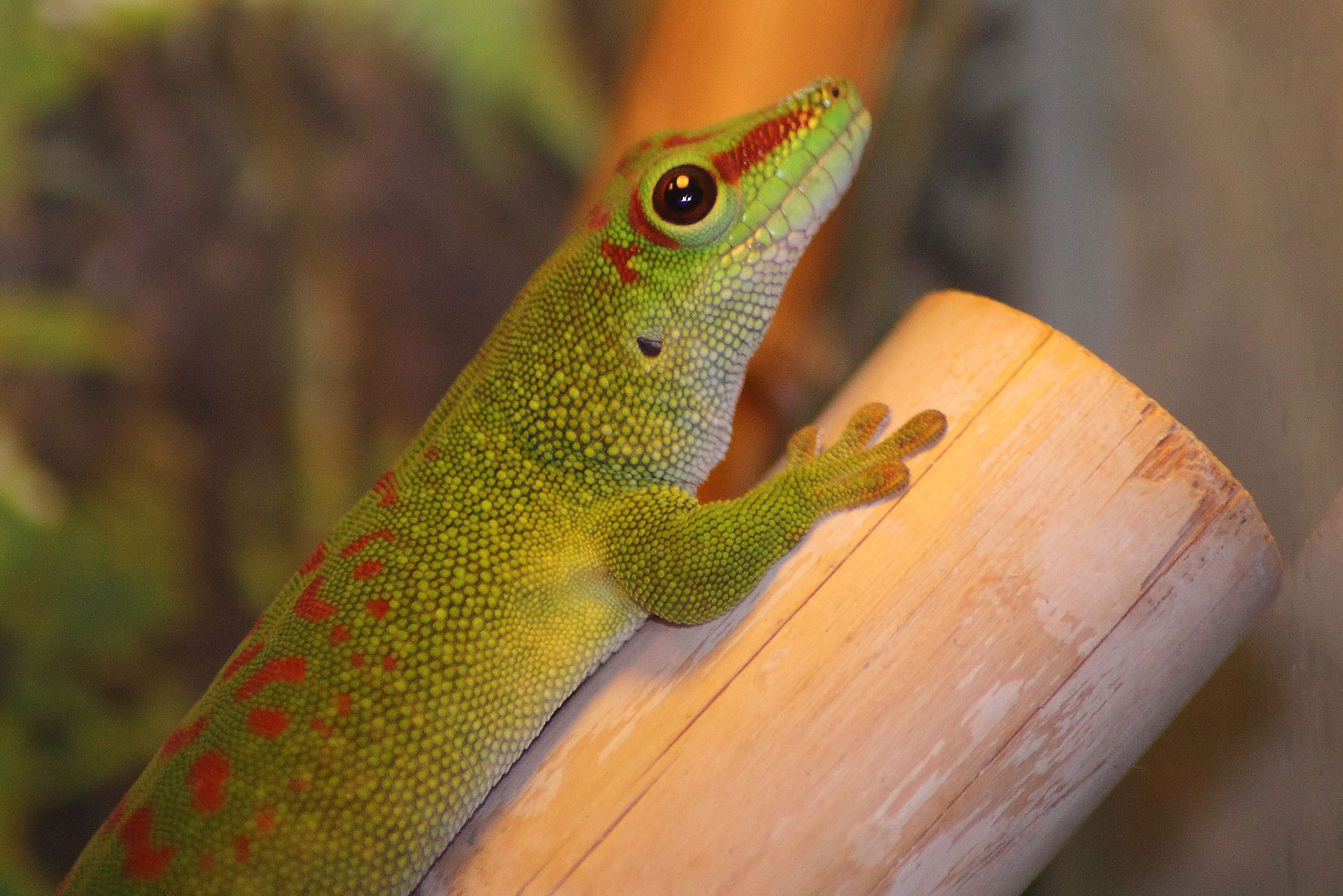
The Phelsuma species of Day geckos are part of a 60 varieties group. They differ in their looks, size nature, and habits and they are not suitable pets for beginners. The gold dust day geckos, lined day geckos, and Leaping Lizard Day Geckos or giant day Geckos suit inexperienced owners better.
Habits
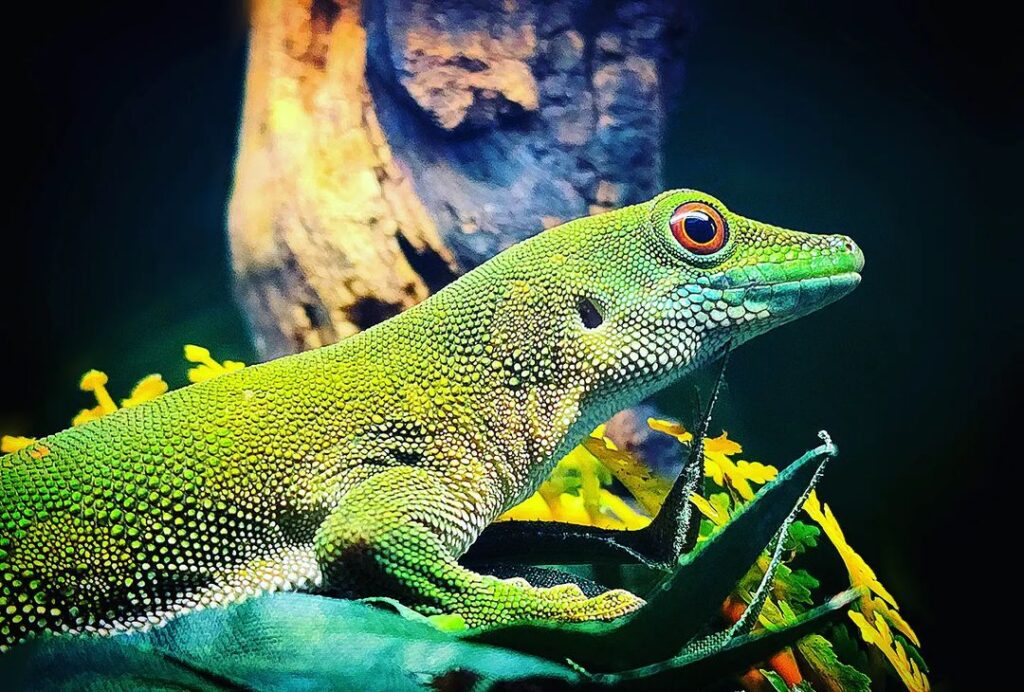
The Day geckos take this name because of their vigor at daytime. They are flimsy with fragile skin, hence it is not advisable to touch them. They are defensive and at times, need isolation. You can find these varieties of Geckos Phelsuma from sea level up to 2,300 meters above it. Being arboreal, many day geckos live in trees like and banana trees and coconut palms, gardens, houses and huts where humans live. Phelsumabarbouri is an exception; it is an earthly variety.
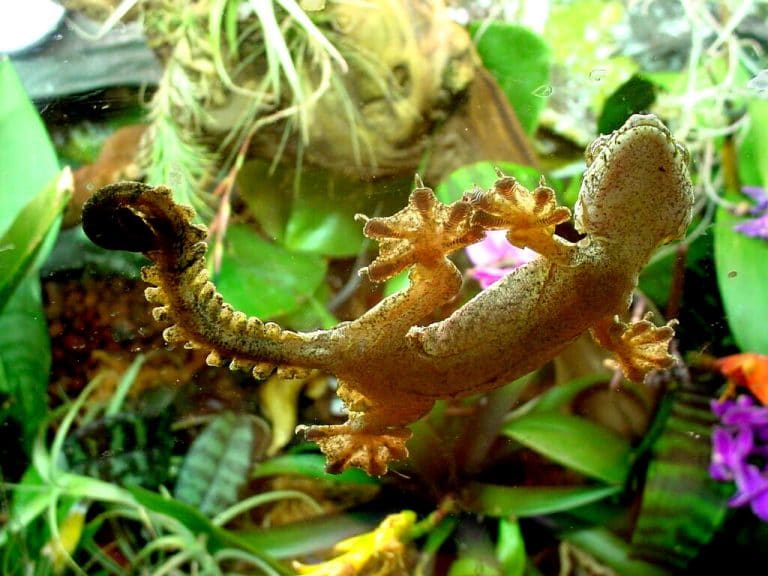
The toe pads of these geckos possess “setae” or tiny hairlike filaments that help them to climb any surface including glass walls and ceilings. They are experts at the art of subtle disappearance and escape.
Housing
Different species need slightly different setup and environment. Generally Day geckos require tall tanks set up with bamboo stalks and some live branches of tropical plants like snake plants or bromeliads placed in the tank for climbing. You must remember that the geckos are good climbers. You also provide them with several hiding spots to create an atmosphere of security for them. For substrate you can use potting soil without vermiculite, peat moss or orchid bark.
Temperatures and Humidity:
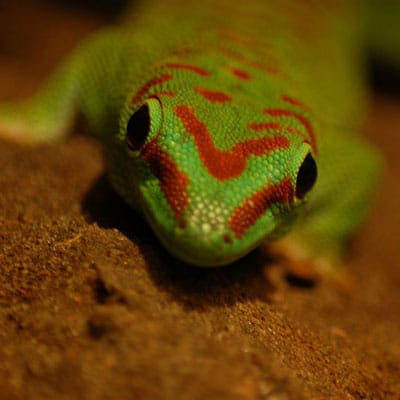
Generally it is better for breeders and hobbyists to make sure that the day temperatures vary between 80-89°F (27-31°C) and at night around to 70-80°F (21-27°C). Depending on the species, the Day Geckos will thrive best at 50% to 85% humidity. You can regulate this using a proper substrata,live plants and by tank misting.
Lighting
Use reptile bulbs emitting UVA/UVB for Day geckos for their exposure to ultraviolet light. You can create a spot for basking using incandescent light. For any need of extra heat, you can use heating elements under the tank.
Diet
A Day gecko’s diet consists of insects and invertebrates of the wild, nectar, pollen and at times, you must supplement with soft, sweet and ripe fruits like bananas. Vitamin and calcium. For quick absorption of calcium, you must remember to provide Vitamin D3. During captivity you would do well to feed them such a diet. You can feed the geckos with insects like (wingless) fruit flies, crickets, wax moths, flies, small super worms, butter worms and meal worms. You can service their requirements of fruits occasionally in a week, with pieces of papaya, baby food based on fruit, banana or gecko nectar available in the market.
Breeding
With appropriate climate and diet, photo time and temperature, learn the correct time for breeding. In the Spring season when the temperature and the day’s duration increases, you must feed the females with excess food and supplements. You will find Gluer and non-Gluer Day geckos. Non-Gluers lay one or two chalky, hard-shelled eggs in sheltered places like an open bamboo section or leaf joints . Gluers’ eggs adhere to leaves or hard surfaces. If anyone tries to remove them, they break easily. It is best to leave the Gluer’s eggs for incubation in place, unless you can transfer the eggs along with the object of attachment, to the incubator. You should incubate most of the fertile eggs at about 82°F (28°C) with slight variable temperature. Depending on the genus the eggs hatch in 38 to 90 days. You can incubate the eggs by placing them on small plastic lids placed on a bed of slightly moistened vermiculite and kept in an incubator (1:1 ratio of vermiculite to water by weight).
Having discovered a fondness for insects while pursuing her degree in Biology, Randi Jones was quite bugged to know that people usually dismissed these little creatures as “creepy-crawlies”.