Difference Between a Turtle and a Tortoise

In biological terms, you often see that the words, ‘Tortoise,’ ‘Turtle,’ and ‘Terrapin’ are used one after another. Their habitat plays an important role in their classification. Without a doubt, they all belong to the common order of Chelonia, which has about 360 species in it.
The Americans consider turtles as aquatic or semi-aquatic Chelonians. Australians address all members of both groups as tortoises, and the Britons would call saltwater species turtles and those on the land tortoises, while Terrapins (a term that has restrained use) signifying freshwater species.
Both turtles and tortoises belong to the class Reptilia. Simply put, it means both are reptiles and not mammals or any high intelligence animals. Scientists prefer to call them chelonians simply because they belong to the order Chelonian which means tortoise in Greek language. It is certainly Greek to most people. They all possess scales, lay eggs and are cold-blooded (ectothermic) animals. When it comes to variety in size, they take the cake. Some of these reptiles can fit in the palm of your hand and there are some heavyweights who weigh up to 817 kilos, the Sumo wrestlers of reptiledom. You can find chelonians everywhere ranging from deserts to oceans and creeks and even in your back yard. You may wonder why people attribute different names to animals in the same species. These common names refer to differences in the habitat and how they make use of it. The primary difference has more to do with the location than their looks.
Turtles and tortoises not only belong to one class, they are also members of the same order! The main difference is in that Tortoises are land dwellers, while turtles live in water. The body of a turtle as well as a tortoise is protected by a shell. The carapace is the upper part of the shell while the plastron is the lower part. A bridge attaches the carapace and the plastron. This means that, though the turtle or the tortoise can withdraw its limbs or head from the shell, it can never detach its whole body from it. These shy reptiles are real recluses of nature.
Turtles

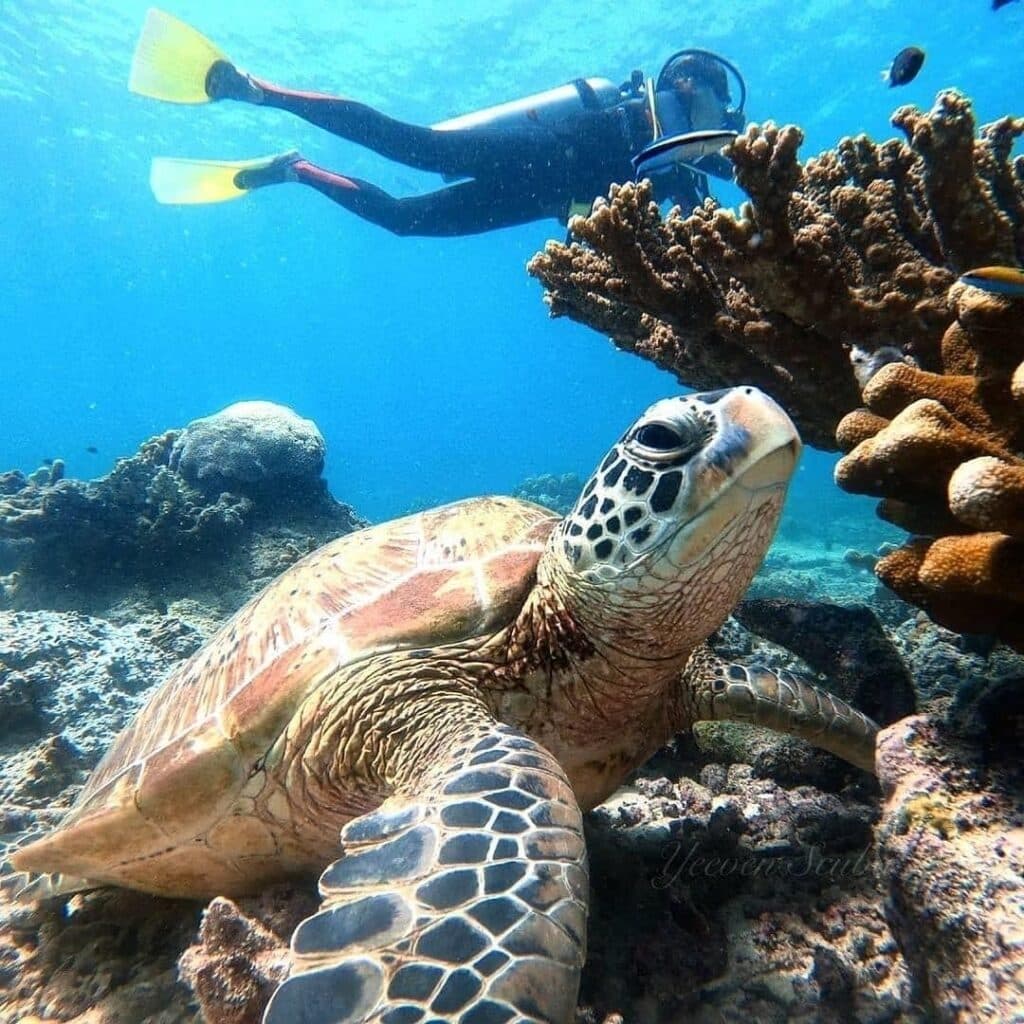
They spend the major portion of their life in water. They have webbed feet which aid in swimming. The sea turtles belonging to the Cheloniidae family specially adapt to aquatic life. They have long feet that act like flippers and streamlined bodies. Sea turtles seldom leave the water, except when the females go to lay their eggs. Some species like the green turtles do come out of the water to bask in the sunlight. Other turtles are freshwater species, that live in ponds and lakes. They love swimming of course, but they also climb ashore to enjoy the warm sunlight. During cold weather, they just burrow into the mud, where they get into a state of suspension till the warm breath of spring animates them.
In the U.S, they call marine, freshwater and most members of the Testudines as turtles. Terrapins are members of the Testudines order that you can find in river inlets and the brackish waters of the marshes. Tortoises are Testudines, who are totally land-based. The Tortoise and turtle shells are, in fact, fused bone, which consists of the rib cage and the backbone. The water turtles have much flatter and streamlined shells compared to land turtles. These adaptations help to create less water resistance when they swim. The webbed feet of the aquatic turtles aid them to displace water with every stroke.
If you go looking for the most ancient of all living reptiles on earth, your search will end in turtles. They appeared on the face of the earth around 200 million years ago. The Earth and all things on it have changed a lot, except these senior citizens, who somehow, seem to be immune to change. The secret of the turtle’s longevity can be ascribed to nature’s most simple and successful design, the shell.
The turtles, on the other hand, live in the water or near it. Their diet is either meat-based or a blend of meat with vegetation. Turtles are frequently divided into semi-aquatic and aquatic species. The water turtles spend a major portion of their life in the water or near it. They mostly consume a meat based diet. Their Semi-aquatic species spend more time on the land, but enter the water if and when it feels like doing so. They exhibit the tendency to feed on plants and live animals. The famous American box turtle is a typical semi-aquatic type. Of course, there are many subspecies differences, The box turtle spends maximum time on the land. It enters shallow water many times in a week, whenever it feels the urgent need to defecate. If you ever find the American box turtle in shallow water, apparently in deep meditation, you can imagine what it is up to. All young turtles predominantly are meat eaters. As they age, they mellow and become staid vegetarians.
Tortoise

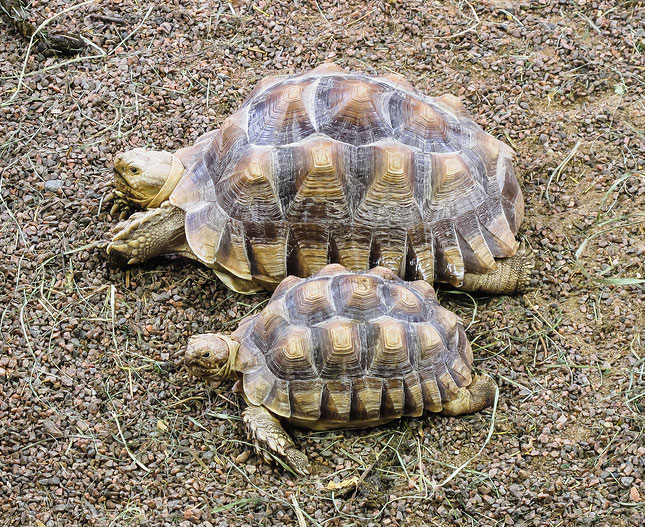
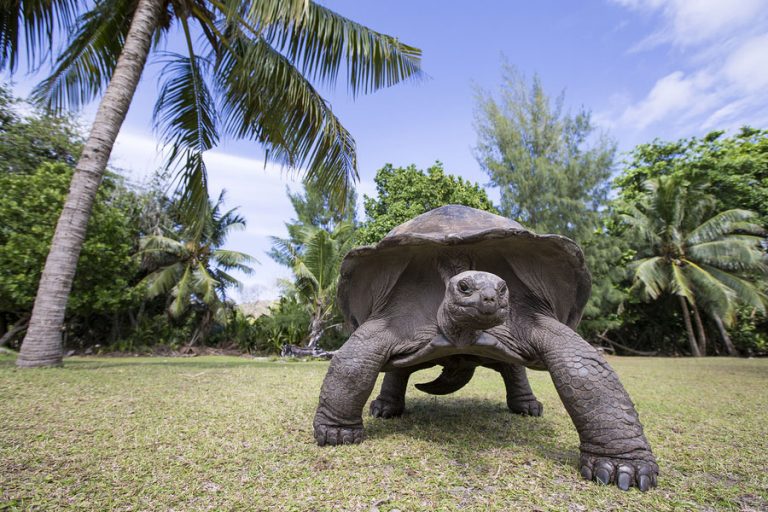
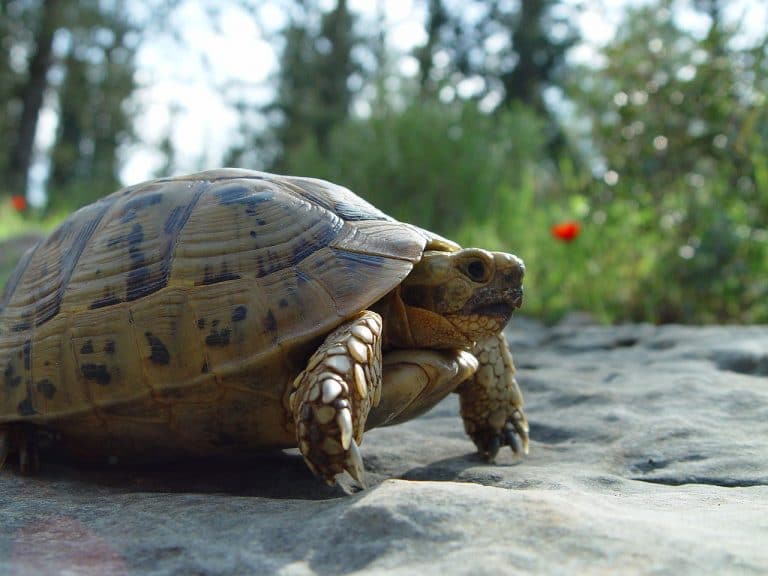
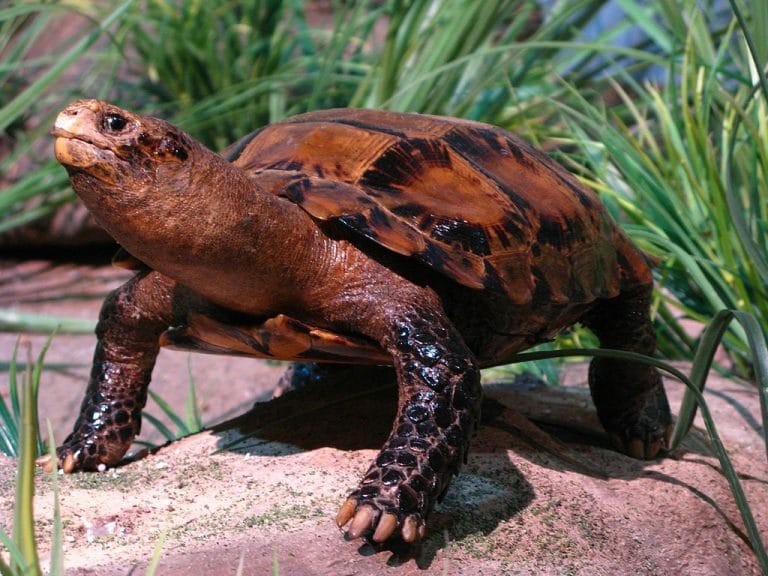
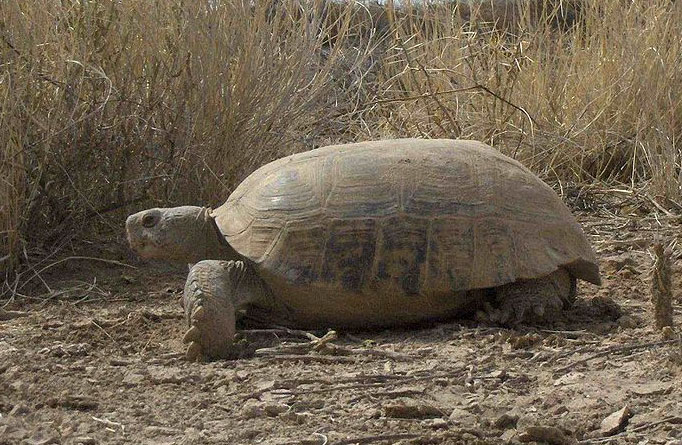
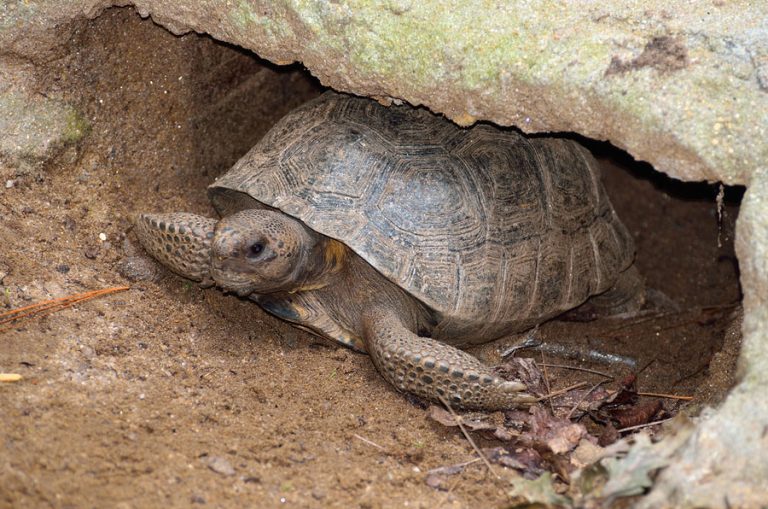
Tortoises are land dwelling reptiles that feeds on shrubs within reach, grasses and even cacti. Tortoises do not possess webbed feet. Their legs are round and stumpy, ideally suited for walking on land. The tortoises that live in very hot, dry habitats, dig burrows with their strong forelimbs. They just slip underground when the sun grows too hot. Tortoises are completely terrestrial reptiles. They have club shaped, blunt feet that are well adapted for walking on land. There are nearly 50 tortoise species. They live in hot, dry regions of the world’s southern parts. The dome shaped shells and short-toed elephant-like feet, sets them apart from terrapins and aquatic turtles. There are only a few tortoise species native to the U.S. One of them is the gopher tortoise
Difference Between Tortoises and Turtles
Definition
Tortoises are reptiles who are members of the family Chelonia, who dwell on land. Turtles are reptile members of the family Chelonia, who dwell in the water.
Range
Asia and Africa are where you can see tortoises. There are some tortoise species in America. Turtles are abundant in Africa and America.
Shell Shape
Most tortoises have dome shaped large shells. You can spot bumps on top of some species. Generally, turtles have flat shells that appear streamlined..
Shell Weight
Tortoise shells are very heavy. Turtles have comparatively lighter weight shells
Limbs
Tortoises have short, stumpy and sturdy feet. Turtles have webbed feet that have long claws.
Food
Most tortoises have a herbivorous diet. But there are exceptions that fancy live food. Turtles eat fruits, vegetables and leafy vegetation in addition to meat. Turtles are omnivores.
Birth
Hatchlings of tortoises move from the nests to their mother’s burrow and stay there. Turtle hatchlings independently remain in their nests from 3 to 4 months
Family
Both are Chelonians
Lifespan
Tortoises have a long life of about 150 years. The oldest living tortoise is about 190 years old. The lifespan of the turtle is between 20 – 40 years; oldest turtle being 86 years.
Funny Facts about Turtles and Tortoises

- A tortoiseshell is made of sixty different bones, all fused together. Tortoises, have been on this earth for millions of years. They evolved long before mammals, birds, snakes and even lizards. Turtles, as a rule, do not seem to bear cold well,
- Scientists observed Blanding’s turtle swimming under the ice of frozen lakes. Turtles have excellent eyesight and a very good sense of smell. They can hear very well. Do you know that their sense of touch is extra-ordinary! It is quite true. Even the hard shells are sensitive since there are nerve endings on them.
- Tortoises have very strong mouths and no teeth. They manage well with horny beaks.
- Turtles vary in size right from the diminutive 4 inch bog turtle to the leather-back turtle which can easily weigh up to 1500 Lbs.
- The longevity of the tortoise is unmatched. A giant Indian ocean Tortoise was estimated to be 50 years old. It Went On To Live Another 152 Years!
- There are some aquatic turtles who can absorb oxygen through the skin on the neck and cloacal areas . This helps them to remain submerged for very long periods of time and even hibernate under water.
- Tortoises usually have high domed Carapaces that provide them protection from predators. The pancake Tortoises belonging to East Africa is an exception. When threatened, they wedge themselves between narrow rocks and inflate themselves with air, making extraction an impossibility.
- Turtles are present in all continents except Antarctica. Healthy tortoises have clear bright eyes without any discharge out of them.
- The giant tortoise has to face many natural predators, like wild dogs, cats, rats and pigs that attack their eggs and hatchlings. The biggest threat that adult turtles face is none other than man.
- Tortoises are susceptible to parasitic attacks and pneumonia. Tortoises cannot breathe like other animals and humans because their rigid shells do not allow them to expand their chests. They have a special set of muscles that aid in breathing. Many tortoise species are endangered. The most endangered are the Brazilian Giant, South American, Yellow footed and south American Yellow Footed tortoises. Female tortoises are usually bigger than the males. A male tortoise has a longer tail than a female. This is one way of determining the sex of a tortoise. Female tortoises lay 1 to 30 eggs in the burrows they dig. The saddle back tortoises have notches at their necks that allow them to lift their heads and eat vegetation higher off the ground. The most acrobatic of tortoises are the ninja tortoises who balance precariously on their hind legs to reach overhanging branches.
Turtle Origins and Species Numbers
Turtles first appear in the fossil record about 230 million years ago, in the late Triassic. The earliest forms had longer necks and limbs than modern species and lacked the fully developed shell we associate with turtles today. Around 356 turtle species are recognised, of which roughly 49 are tortoises, about 25 are softshell turtles and seven are sea turtles.
Feet, Shells and Diet Compared
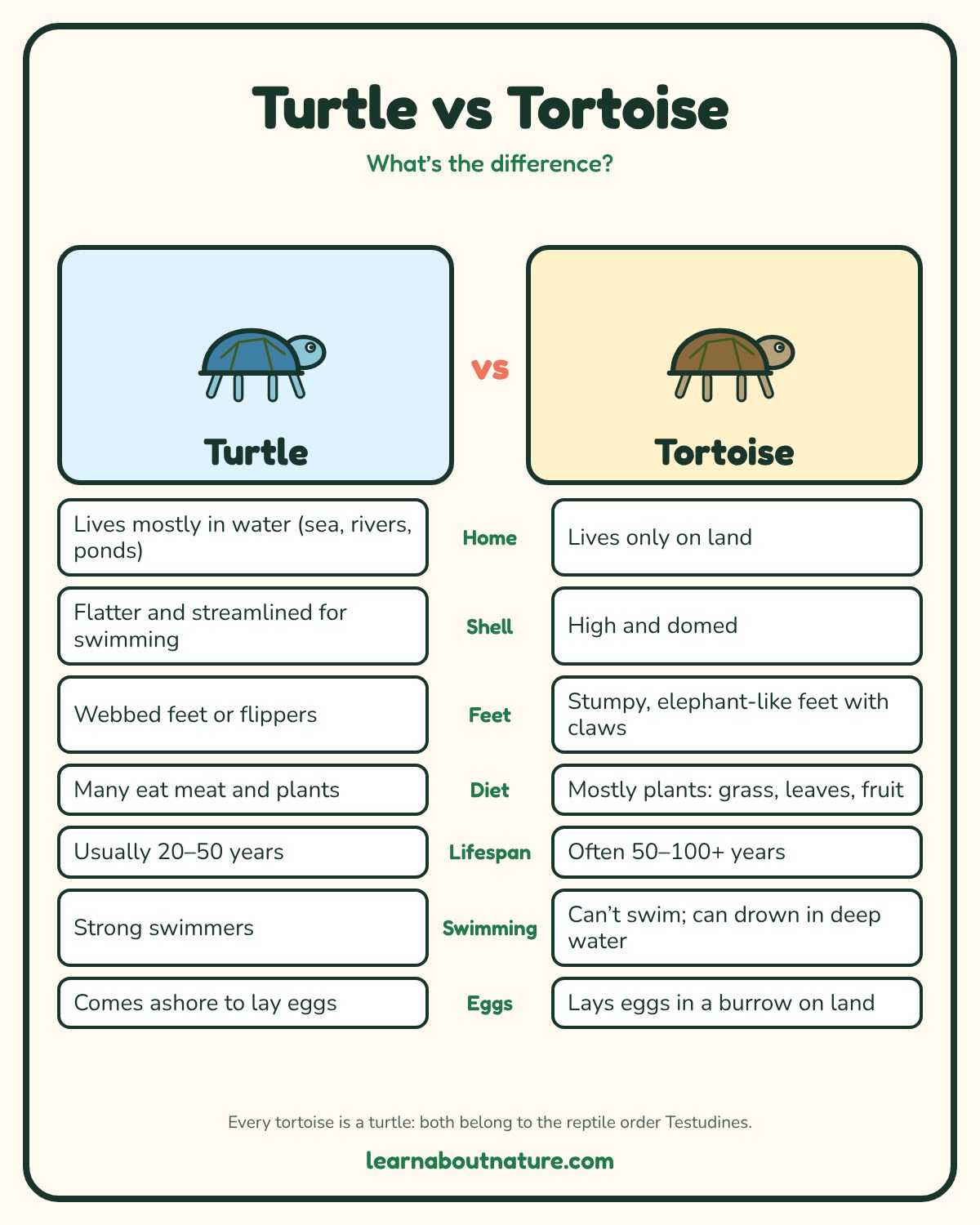
Aquatic turtles generally have webbed feet, while tortoises walk on stout, elephant-like feet. Sea turtles have flippers with only one or two claws on each front flipper. Turtle shells tend to be flatter and lighter, which helps in the water; tortoise shells are usually high and domed, although box turtles are an exception among turtles with their domed shells. Tortoises eat an almost entirely plant-based diet, whereas many turtles are omnivores that add insects, crustaceans and fish to their meals.
Clutch Sizes
Both groups lay eggs on land, but clutch size varies widely by species:
- Tortoises: from a single egg up to about 30
- Red-eared sliders: roughly 10 to 30
- Box turtles: about 3 to 9
- Mud turtles: about 2 to 5
- Snapping turtles: about 20 to 40
- Softshell turtles: about 10 to 70
- Green and leatherback sea turtles: around 100 to 120
- Hawksbill sea turtles: around 140 to 160
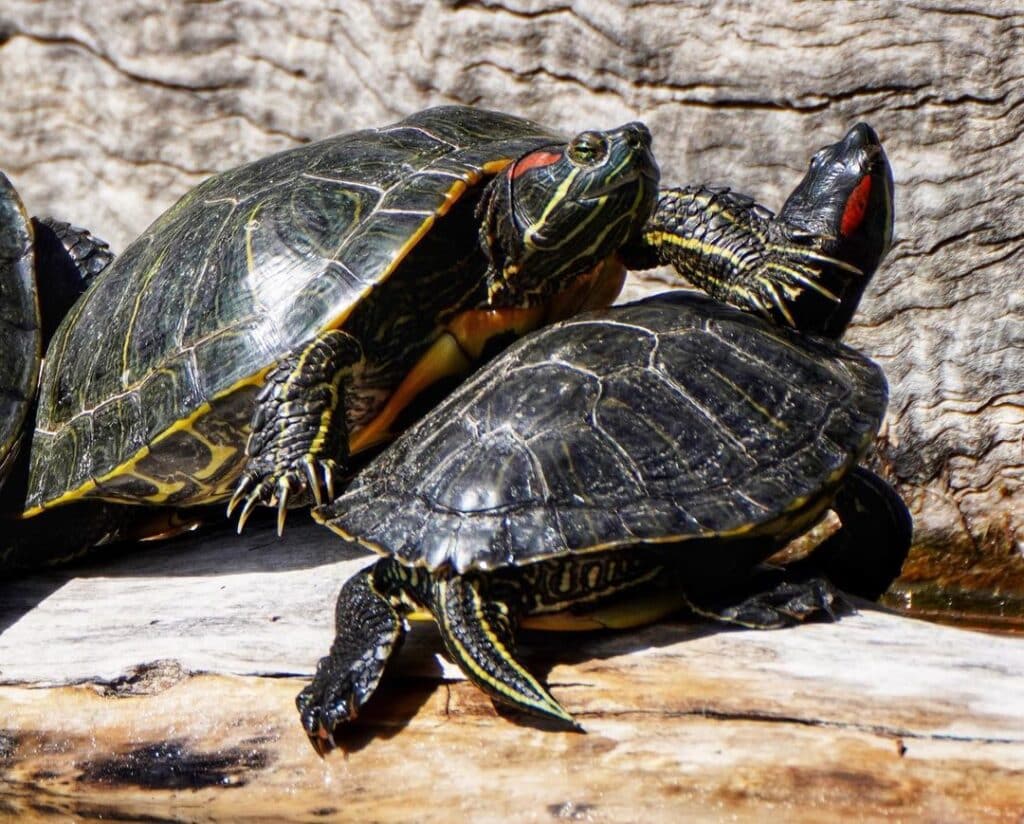
Once they hatch, young aquatic turtles head straight for nearby water, while young tortoises stay on land.
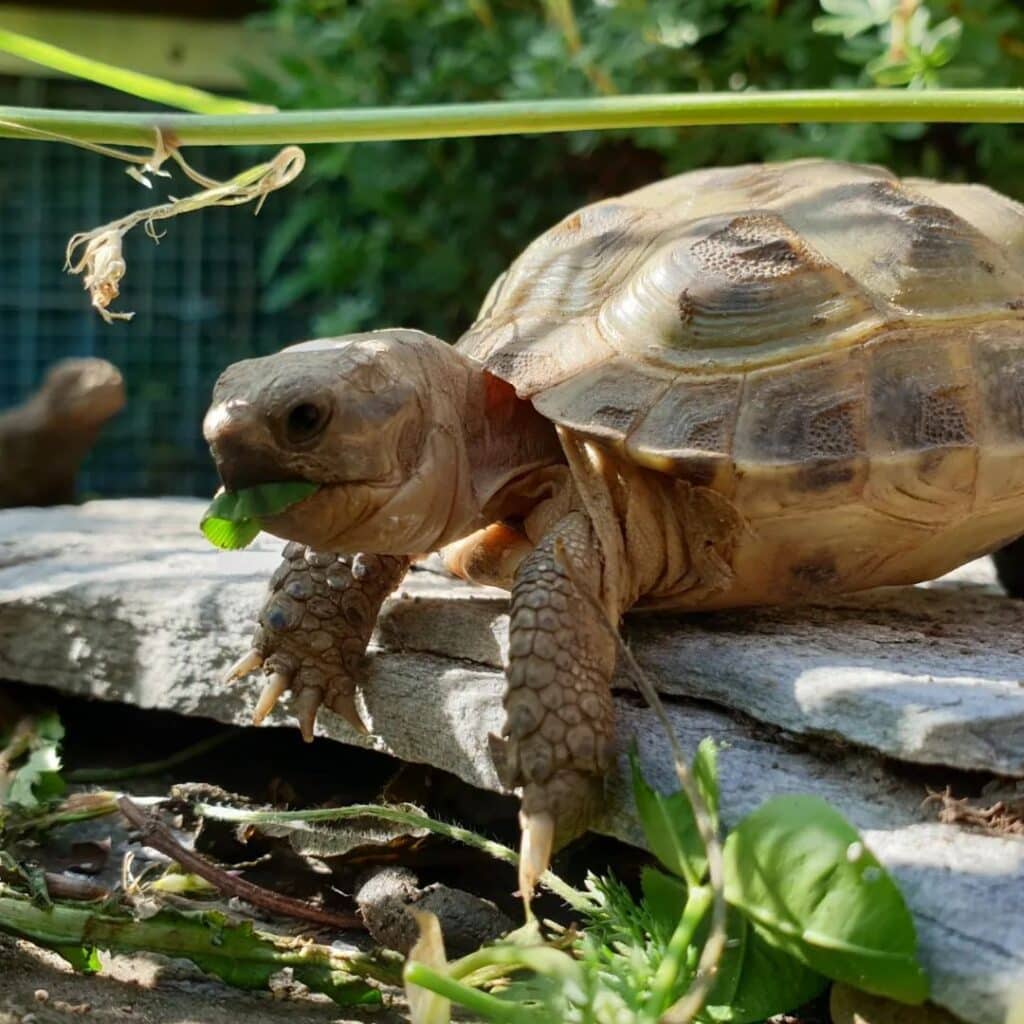
Never Put a Tortoise in Water
Tortoises only visit water to drink or soak in the shallows and are not built for swimming. If you find a tortoise in the wild, do not carry it to a pond or river thinking you are returning it home, as it can drown. Leave it where it is unless you are certain it is an aquatic turtle.
Turtle vs Tortoise FAQs
What is the difference between a turtle and a tortoise?
Tortoises live on land and have heavy, domed shells and sturdy, elephant-like legs. Turtles spend much or all of their time in water and usually have flatter, streamlined shells and webbed feet or flippers. All tortoises are technically turtles, but not all turtles are tortoises.
What is a terrapin?
Terrapin is a name usually given to small turtles that live in fresh or brackish water and spend time both in water and on land, such as the diamondback terrapin of North America. In British English, many freshwater turtles are called terrapins.
Do tortoises swim?
Tortoises are land animals and are generally poor swimmers. They have heavy shells and no webbed feet, so they can drown in deep water. They do drink and soak in shallow water, which helps keep them hydrated.
Which lives longer, a turtle or a tortoise?
Tortoises tend to live longer. Giant tortoises often live over 100 years, while many smaller tortoises live 50 years or more. Many pet turtles live 20 to 40 years, though some species, like box turtles, can also live very long lives.

Randi Jones is the owner and founder of the Nature Gift Store, an online retailer specializing in nature-themed gifts, educational science projects, live animal nature kits and real butterfly artwork. A biology graduate who fell in love with insects, she founded the company in 2001 to make active learning about nature fun, accessible and engaging for children and adults. Her store offers real butterfly frames, home and garden decor and educational live animal kits, including ant farms, worm farms, tadpoles, ladybugs and hermit crabs, and she runs a bug museum in Washington featuring live animals like Eddie the Iguana alongside other reptiles and insects. Randi wrote most of the guides on this site. They first appeared on her long-running nature sites, including Monarch-Butterfly.com, Ladybug-Life-Cycle.com, Frog-Life-Cycle.com, Dragonfly-Site.com and Butterfly Pictures, which have now been brought together here at Learn About Nature.