Terragon

Scientific Classification & Quick Facts
| Common name | Tarragon |
| Scientific name | Artemisia dracunculus |
| Kingdom | Plantae |
| Phylum | Tracheophyta |
| Class | Magnoliopsida |
| Order | Asterales |
| Family | Asteraceae |
| Genus | Artemisia |
| Type | Perennial herb |
| Habitat | Well-drained sandy soil, sun or partial shade |
| Native range | Northern Hemisphere: Siberia, Central Asia, Europe, China |
| Colours | Green leaves, greenish-yellow flowers |
| Height | 120 to 150 cm |
| Edible parts | Leaves |
| Special feature | Flavours fish, eggs and the drink Tarhun |
The scientific name of tarragon is Artemisia Dracunculus. It is a perennial herb belonging to the family Asteraceae. Tarragon is also known as wild tarragon, French tarragon and Russian Tarragon. It is rich in antioxidants as well as Phytonutrients. These properties of this plant help in preventing diseases and promote health. It is a leafy, bushy herb. This plant has many species. It is cultivated for its leaves.
History
The name “Tarragon” comes from the French “estragon”, from a word meaning “little dragon”. This herb originates in the Central Asia region, mostly in Siberia. In the 13th Century, from Siberia and Mongolia it was brought to Europe. By the 15th Century it was popular in England and then made its way to America. In the Far East it was known as “Little Dragon” because of its ability to cure snakebite and other venomous bites. For centuries, it has been eaten as a vegetable.
Anatomy
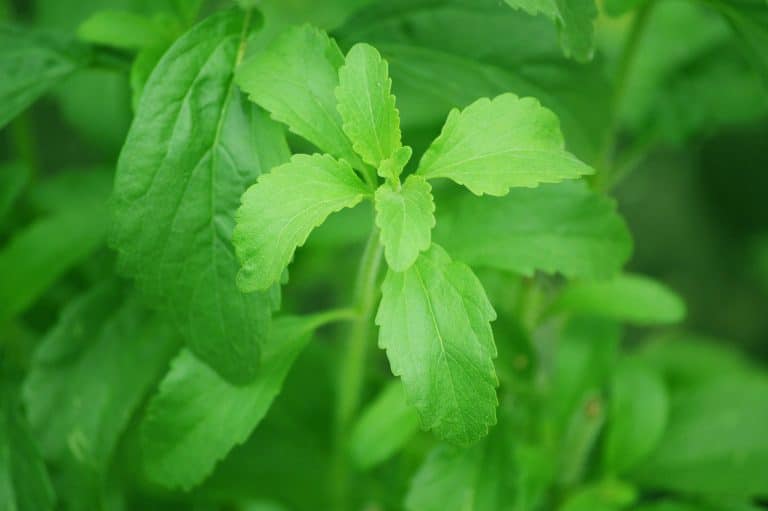
The tarragon plant grows 120 to 150 cm tall. It has slender branched stems. These branching stems reach up to about 1.5 meters in height. The leaves of the tarragon plant are lanceolate and smooth, glossy and have pointed ends with an entire margin. These leaves are green in color and 2 to 8 cm long and 2 to 10 mm broad. Its flowers are produced in small capitulates (A compact flower cluster) and its each Capitulum (Wiki: contracted raceme which single sessile flowers share a single stem) contains up to 40 greenish yellow or yellow florets. It reproduces from the rhizomes and it has rhizomatous roots.
Habitat
The Tarragon plant is native to the areas of the Northern Hemisphere. For its culinary purpose, it is cultivated in France. It is native to China, south of Europe, Siberia, Asia and Russia and the United States.
Soil for Planting
The tarragon plant requires well drained and fertile soil. It grows well in sandy soil. It cannot tolerate moisture for a long time.
Planting
The Tarragon plant is propagated by the root division. In the fall or spring season it is best planted from cuttings.
Watering
The tarragon plant requires good watering. Regular watering is essential for the growth of the tarragon plant.
Temperature and Humidity
Cool and warm climates are best for the tarragon plant. It grows well in arid and hot environments. In temperatures of over 90 degrees F, it may require partial shade or coverage of the plant.
Flowering and Maturing Care
The tarragon plant requires full sunlight or partial shade. This herbal plant is easy to care. It requires organic matter and mulch for best growth and protection.
Harvest
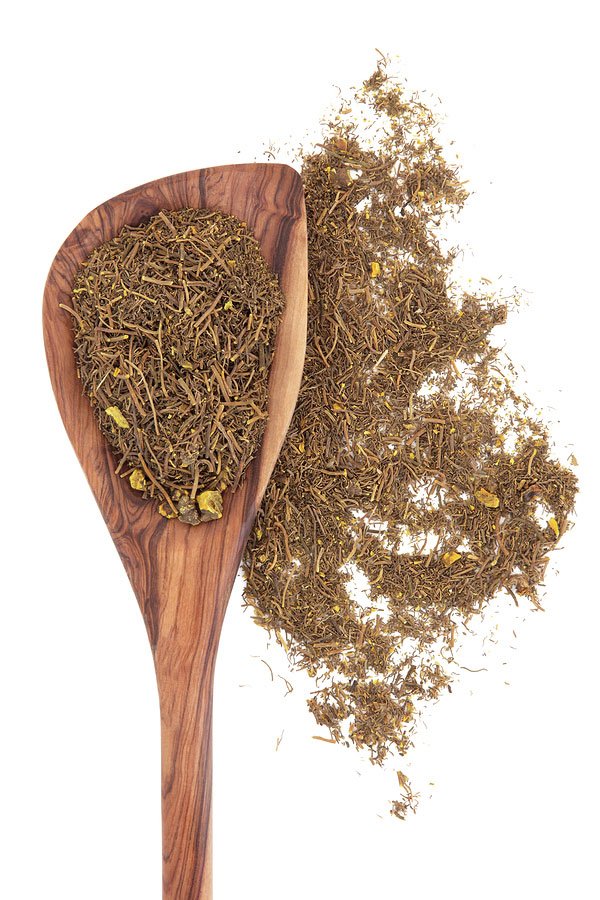
The leaves of the tarragon plant are harvested at the time of flowering. It is at this time that they possess therapeutic value and maximum essence. Then the leaves should be left to dry in the gentle heat or in the sunlight.
Pests and Pesticides
This plant is affected by fungal and mildew growth. Root rot disease can also damage the plant. So, over watering is not good for it. Tarragon Rust Pest can cause white or yellow spots on the leaves turning them yellow, and ultimately, the plant becomes stunted.
Uses
Tarragon is traditionally used to help with blood sugar levels. This herb is a rich source of Vitamin A and C and also B-complex groups of vitamins like Folates (water-soluble vitamin B) Niacin, Riboflavin and Pyridoxine. It is especially a rich source of minerals such as Iron, Magnesium, Calcium, Manganese, Zinc, Copper and Potassium. Tarragon herb is used in many traditional medicines for stimulating the appetite. It is used as a remedy for dyspepsia, hiccups, anorexia and flatulence. The essential oil of this herb is useful as an antiseptic for toothache. The herb is used as a flavoring agent in breads, egg dishes and fish. It is also used in green salads. In the countries of Georgia, Armenia and Azerbaijan, it is used to flavor carbonated soft drinks. The drink called Tarhun is made of this herb.
Tarragon FAQs
What is tarragon used for?
Tarragon leaves are used to flavour bread, egg dishes, fish and green salads. In Georgia, Armenia and Azerbaijan it flavours a fizzy drink called Tarhun.
Where does tarragon come from?
Tarragon comes from the Northern Hemisphere, especially Central Asia and Siberia. It reached Europe in the 13th century and was popular in England by the 15th century.
How tall does tarragon grow?
A tarragon plant can grow 120 to 150 cm tall. It has slender branching stems and smooth, glossy, pointed green leaves.
Why was tarragon called Little Dragon?
In the Far East it was called Little Dragon because people believed it could cure snakebites and other venomous bites.
What kind of soil does tarragon like?
Tarragon likes well-drained, fertile, sandy soil. It does not cope with wet soil for long, and too much water can cause root rot.

Randi Jones is the owner and founder of the Nature Gift Store, an online retailer specializing in nature-themed gifts, educational science projects, live animal nature kits and real butterfly artwork. A biology graduate who fell in love with insects, she founded the company in 2001 to make active learning about nature fun, accessible and engaging for children and adults. Her store offers real butterfly frames, home and garden decor and educational live animal kits, including ant farms, worm farms, tadpoles, ladybugs and hermit crabs, and she runs a bug museum in Washington featuring live animals like Eddie the Iguana alongside other reptiles and insects.