Gingko Biloba
Scientific Classification
| Kingdom: | Plantae |
| Order: | Ginkgoales |
| Family: | Ginkoaceae |
| Genus: | Ginkgo |
| Class: | Equisetopsida |
Ginkgo biloba is also known as the maidenhair tree. The ginkgo Biloba is the remaining member of the ginkgo family. It is a nonflowering plant. It is referred to as living fossils. The word ginkgo means silver apricot. Its leaves and nuts are used in medicines. It is a very useful herb. The ginkgo Biloba herb is used for sharp memory. Its dried leaves are used as herbal medicines which are helpful for ears, legs, eyes, and brain and also in the problem of the heart. The plant is of pyramidal shape. The Japanese and Chinese people plant Gingko Biloba plant around shrines and temples for their Buddhist Practices. It is also used by Asian culture in their gardens and especially for important life events.
History
The gingko Biloba plant is native to China. It was early introduced into human history and was widely cultivated. According to the Bellarmine University Gingko is the oldest living tree in the world. This tree originates from China and one Gingko Biloba Tree is more than 3000 years old..
Anatomy
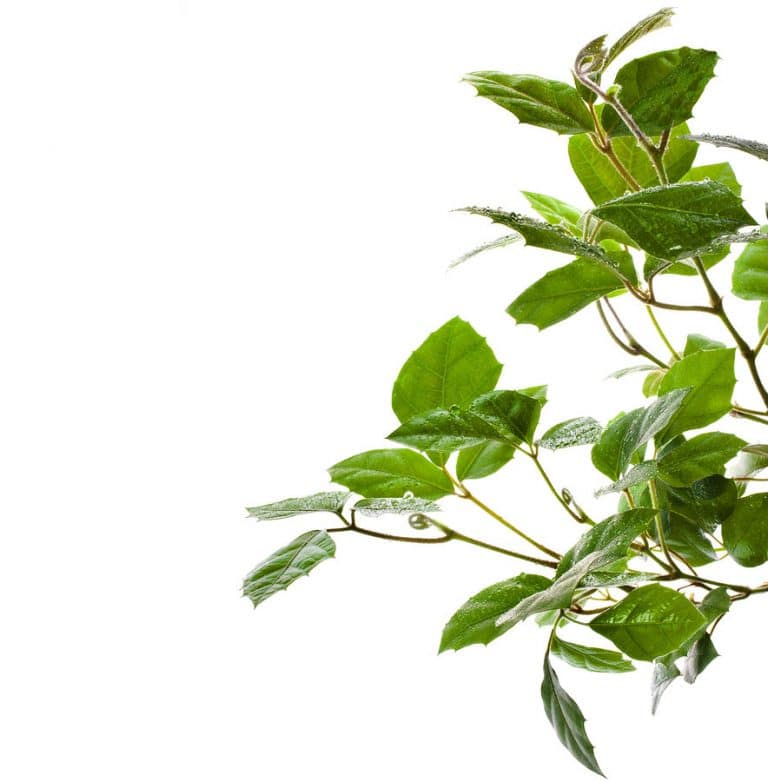
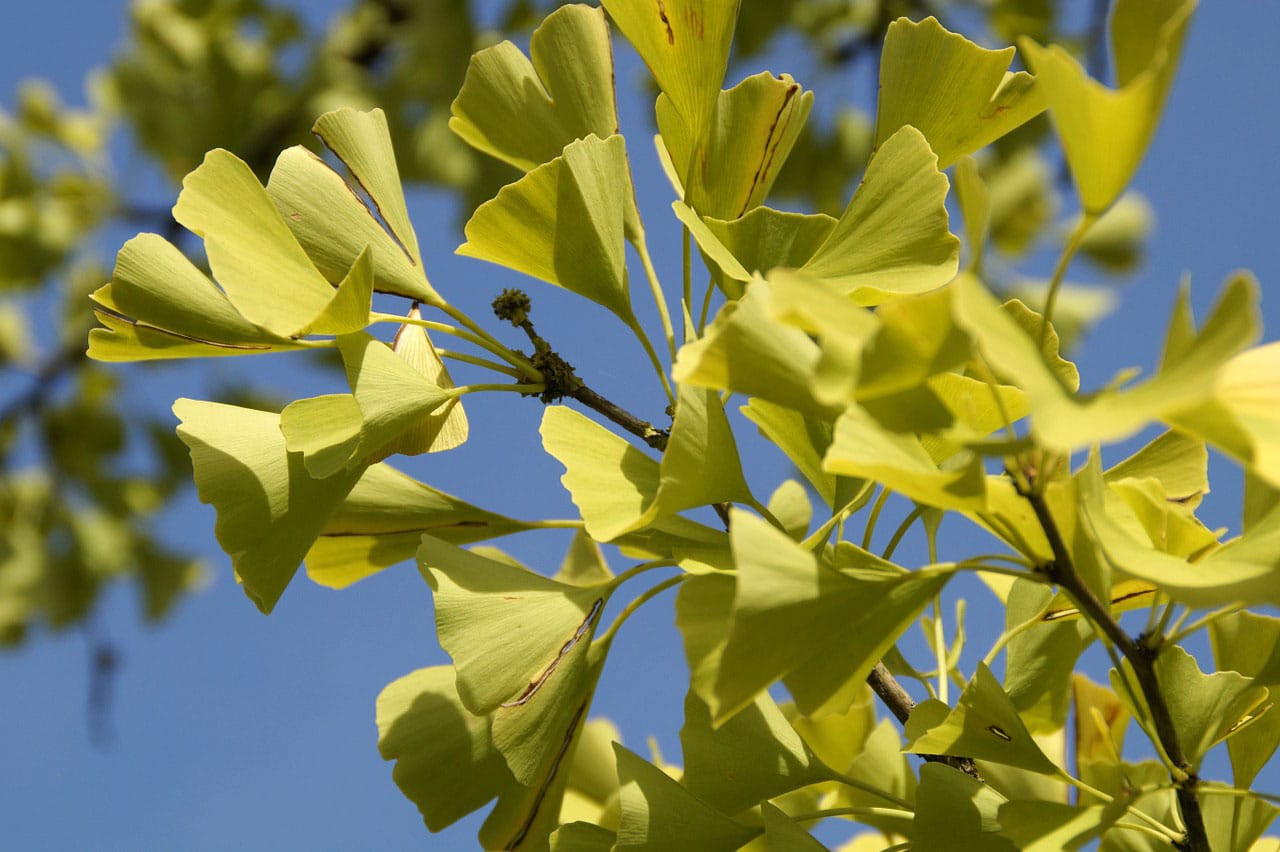
The leaves of the gingko Biloba plant are easily recognized by its fan-shape. These leaves are unique. The Japanese people call it tree with duck-feet leaves. The Gingko Biloba plant has foul smelling fruits. Its leaves are leathery and are 3 inches long. In the fall, leaves turn in yellow color. It works as a shade tree once it is established. Its wood is soft, weak and light colored.
Habitat
In New York and Seoul gingko Biloba plant is found everywhere along the streets. It is a very important plant in the world. In the past, there were many varieties of gingko, but, now this is the only surviving species.
Soil
A moist, deep, well drained and fertile soil is good for the gingko Biloba plant. Gingko has an adaptable quality, so it can grow in all types of soil. It did not need too much mulch. Lightly mulching is also ideal for it. The soil requires air for good growth. It needs fewer hours of sunlight in a day.
Temperature and Humidity
Gingko biloba plant requires higher temperature. High temperatures induce the plant grow faster.. It does not need high moisture, but the soil needs humidity..
Planting
The best time to plant gingko Biloba plant is the spring season. It needs a large hole to contain the roots. After placing the plant in the hole, cover the roots of the plant, with soil. For the first few weeks, it grows slowly. It grows best with full sun exposure. It needs partial shade. It will take 20 years to mature.
Water
The gingko Biloba plant requires water and fertilizers occasionally. The best time to prune it is in the winter season to spring season. It grows well on low nutrients. It needs watering carefully in the first growing season.
Care
The gingko Biloba plant is easy to care. Apply fertilizers if needed. If they receive a regular supply of water, then it grows rapidly. It needs fertilizers, two times in a year.
Harvest
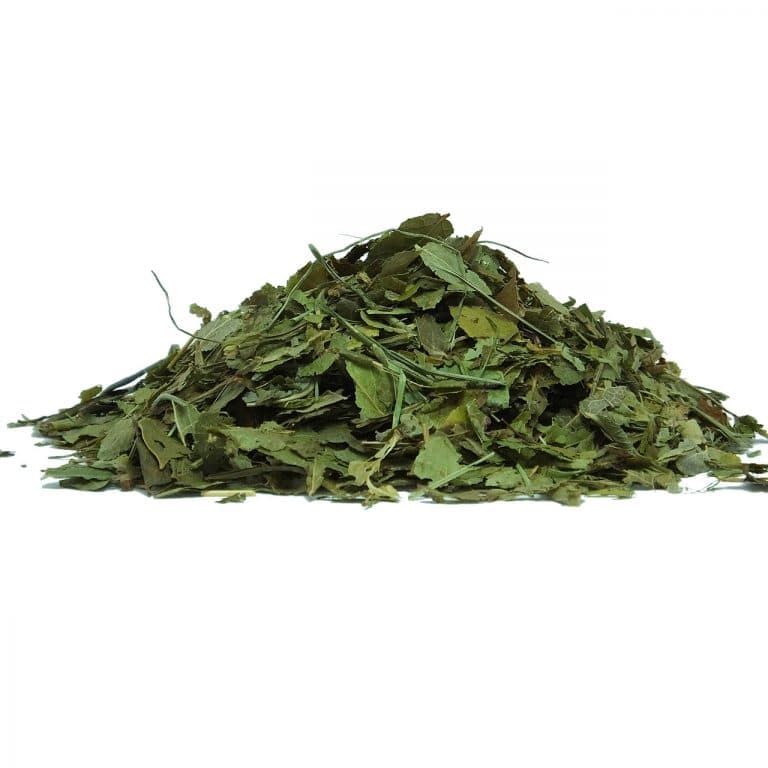
Harvesting of the gingko biloba plant is very easy. Its leaves are harvested and the best time for it is late spring season or early summer, when the leaves are green in color and younger and vibrant. At this stage of growth, herbal companies make medicinal extracts from these leaves of the plant.
Pests and Disease
The root infection of gingko Biloba plant is only caused by Mycorrhizae infection. But, it does not show any major effect. Some organic fertilizers can remove this infection. Gingko Biloba is a pest free plant. It is also planted as a landscape plant in the gardens. It does not need spraying. It is also resistant to viral, bacterial diseases, pests and fungus.
Uses
The root infection of gingko Biloba plant is only caused by Mycorrhizae infection. But, it does not show any major effect. Some organic fertilizers can remove this infection. Gingko Biloba is a pest free plant. It is also planted as a landscape plant in the gardens. It does not need spraying. It is also resistant to viral, bacterial diseases, pests and fungus.

Having discovered a fondness for insects while pursuing her degree in Biology, Randi Jones was quite bugged to know that people usually dismissed these little creatures as “creepy-crawlies”.