Fo-Ti Roots
Scientific Classification & Quick Facts
| Common name | Fo-ti |
| Scientific name | Reynoutria multiflora (formerly Fallopia multiflora) |
| Kingdom | Plantae |
| Phylum | Tracheophyta |
| Class | Magnoliopsida |
| Order | Caryophyllales |
| Family | Polygonaceae |
| Genus | Reynoutria |
| Type | Climbing herb from a woody tuber |
| Habitat | Valleys and stream banks, sun or part shade |
| Native range | Southern and central China |
| Colours | Greenish-white or white flowers |
| Height | 2–4 m |
| Special feature | Used in Asian traditional medicine as a longevity tonic |
Fo-Ti root herb is also known as Fallopia multiflora. It is an herbaceous plant. From a woody tuber, It grows 2 to 4 meters tall. Processed Fo-Ti herb contains sugar and protein complexes which are known as lectins. This herb is known as fleece flower, Ho Shou Wo, and He Shou Wo. It has many other names depending on the country. He Shou Wo means black-haired Mr. He. It is native to southern and central China. In traditional Chinese medicine it is believed to keep hair dark, but this is not proven.
History
As a fertility aid, Fo-Ti root herb has a rich history. It is traditionally used as a tonic for men and for longevity. For thousands of years people believed that this herb gives them an uplifting feeling. From centuries processed Fo-Ti herb has been used as an anti ageing tonic.
Anatomy
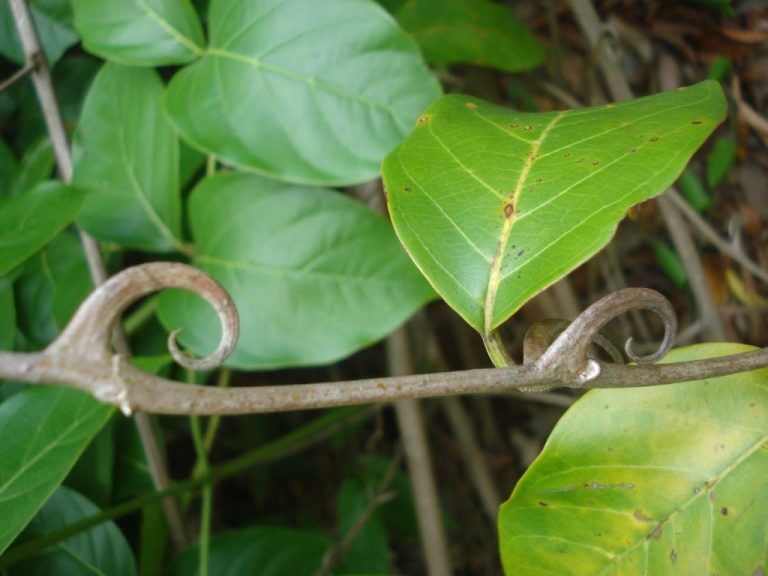
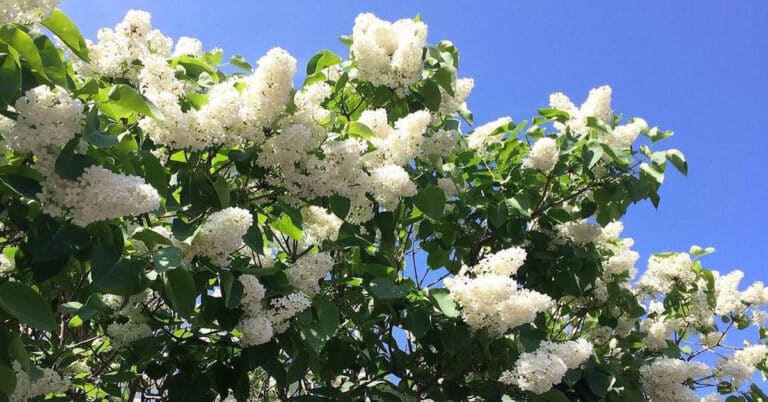
The leaves of the Fo-ti herb is broad and are shaped like an arrowhead. These leaves are 3 to 7 cm long. The flowers are greenish-white or white in color. These flowers are 6 to 7 mm in diameter. The flowers are produced in dense and short panicles. In season to mid autumn these flowers grow to 10 to 20 cm long.
Habitat
Fo-Ti root herb is an adaptogen traditional herb which is used in Japan, China, Vietnam, Korea and Taiwan. In the United States, this herb gained popularity as a traditional restorative herb. Vigor, Vitality and Longevity are these three words that epitomize this herb.
Soil
The Fo-Ti root herb can grow in an ordinary garden. It prefers moist soil. It cannot tolerate high fertile soil.
Temperature and Humidity
The Fo-Ti herb grows as a climbing plant in valleys and along the banks of streams. They prefer full sunlight or partial shade.
Planting
Seeds of fo-ti herb has to be sown in the spring season in a cold frame. ; Its germination is easy. When they attain reasonable size, then planting in summer is ideal for them.
Uses
The Fo-ti herb is traditionally used in Chinese medicine as a tonic, for example for fatigue and nervous tension. This herb is rich in iron and zinc. Iron helps in proper blood formation. And zinc is helpful in healthy testosterone levels in men.
Fo-ti FAQs
What is fo-ti?
Fo-ti is a plant with a woody tuber, also called fleece flower or He Shou Wu. It is used in traditional Asian medicine.
Where does fo-ti come from?
Fo-ti is native to southern and central China. It is used in traditional medicine in Japan, China, Vietnam, Korea and Taiwan.
How tall does fo-ti grow?
Fo-ti grows 2 to 4 metres tall from a woody tuber.
What do fo-ti leaves and flowers look like?
The leaves are broad and shaped like arrowheads, about 3 to 7 centimetres long. The flowers are greenish-white or white and grow in dense clusters.
Where does fo-ti like to grow?
Fo-ti grows along stream banks and in valleys. It likes moist soil and full sun or partial shade, but not very fertile soil.

Randi Jones is the owner and founder of the Nature Gift Store, an online retailer specializing in nature-themed gifts, educational science projects, live animal nature kits and real butterfly artwork. A biology graduate who fell in love with insects, she founded the company in 2001 to make active learning about nature fun, accessible and engaging for children and adults. Her store offers real butterfly frames, home and garden decor and educational live animal kits, including ant farms, worm farms, tadpoles, ladybugs and hermit crabs, and she runs a bug museum in Washington featuring live animals like Eddie the Iguana alongside other reptiles and insects.