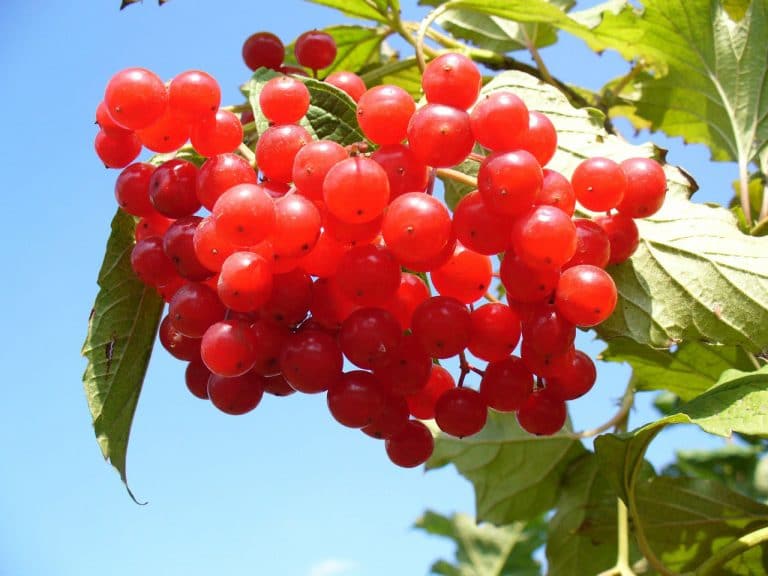
Bilberry

Scientific Classification & Quick Facts
| Common name | Bilberry |
| Scientific name | Vaccinium myrtillus |
| Kingdom | Plantae |
| Phylum | Tracheophyta |
| Class | Magnoliopsida |
| Order | Ericales |
| Family | Ericaceae |
| Genus | Vaccinium |
| Type | Low shrub with edible blue-black berries |
| Habitat | Acidic, nutrient-poor soil; heathland |
| Native range | Northern Hemisphere: Europe, northern Asia, Canada |
| Colours | Blue-black berries; pink urn-shaped flowers |
| Edible parts | Berries, fresh or dried |
| Special feature | Berries grow singly or in pairs, not clusters |
Bilberry is a common name for several species of shrubs that grow low and belong to the Vaccinium genus in the Ericaceae family. These shrubs produce edible blue-black berries, of which the Vaccinium myrtillus is the commonly referred variety. You can find many similar berries among the species, but one must understand that the Bilberry, though related to blueberry is distinctly different from it.
Benefits of Bilberry
Bilberry has been used for 1000 years. They were used by the Europeans for a very long period. They used them directly or they had used them in the form of tea or they had used them in the form of liqueur. Bilberry is also used as an herbal medicine. One of the richest natural sources of the Anthocyanins is Bilberry. The scientific name of Bilberry is Vaccinium myrtillus. The polyphenolic ingredients that are contained in the fruit not only give it the natural blue and black color, but also are responsible for its antioxidant properties.. They also contribute to many bio-actives in Bilberry that are responsible for a range of health benefits in bilberry and in many other berry fruits as well. Bilberry has traditionally been used to support eye health.The fruit is used for making jams, cookies, sauces, juices, cordials, and the like. Several other food items can also be made from bilberry.
Anatomy
The bilberry plant grows as small bushes and they bear solitary fruits. You can find them in areas of the northern hemisphere. The fruits can be found in plenty. The flowers are borne singly in the leaves on the periodicals that are about 2-3 mm long. The corolla is urn shaped and pink in color. The leaves are veined in the lower part and they are very finely toothed.
Habitat
Bilberries appear to grow well in nutrient-poor, acidic soils in the subarctic and the temperate parts of the world, and have a close relationship with the cultivated huckleberries and blueberries and the wild berries of NorthAmerica in the Vaccinium genus. One feature that is special to bilberries is that, instead of growing in clusters, they grow on the bush as a single berry or as a pair. We can find the bilberry plant in parts of western Canada, Europe, northern parts of Asia, Greenland and parts of the western United States. They can grow in the wild areas of heathlands. They can grow in acidic soils. They have been consumed in large quantities for ages by the people of the old world.
Soil
A bilberry likes to grow in acidic soil, which is the reason they are called acidophilic plants. They do not need much of nutrients to grow healthy. They need soil that is well aerated. Though they prefer a soil with a pH of 4 to 5.2 they can grow anywhere in soils with a pH 3.5 to 6.5. If we add a lot of acidic humus, they will grow very successfully.
Planting
Any time of the year is well suited for the bilberry plant to grow. They can be planted in small containers as well. Still, autumn season is the best for them to grow. Mixing composite mixture to the soil improves the growth of the plant and even for the patio pots if you are planning to plant them in patio pots. The size of the patio pots should be about 20-25 liters in size.
Watering
Blueberries and bilberries have common properties. The root of the bilberry plant should not be allowed to dry. During their growing season always keep the soil around the bush wet and moist. Water the plant once or twice in a week in the later stages. If you are growing bilberry in small containers or pots, make sure you water them daily. In containers never allow them to dry.
Temperature and Humidity
Bilberry can tolerate cold to a greater extend. They can tolerate temperature from -20 degree to -25 degree C. There will be no damage to the plants, even at sub-zero temperatures. Make sure you cover the root of the bilberry plant with some protection. This will help them to withstand more cold than usual.
Care
Bilberries need care like any other plants. Make a mixture of miracle-gro azalea and Rhododendron continuous release plant food, and feed them to the bilberry plant. Applying once will be sufficient for them for that growing year or growing season. You can also feed your plant regularly with liquid miracle grow azalea on a regular basis or with a mixture of Miracle-Gro Azalea, Camellia & Rhododendron Plant Foods. If you are planting the bilberries in soil poor in acid, then make a dressing of Murphy Sequestrene Granules. This mixture will add all the needed nutrients and acid to the soil and will help the plant to grow healthy
Uses
There are several uses of bilberry fruit. Dried bilberry can be used as a tea and it has traditionally been used for mild diarrhea. Only dried fruit provides this effect. Fresh fruit does not have anti-diarrhea effects. For you to obtain tannins, condensation of the tannins has to happen. For this you can dry the Bilberries. Dried bilberry is also used as a medicine for mild inflammation of the mucous membranes in the mouth and you treat the throat as well with dried bilberry fruit.
Pests and Diseases
Keep the plant netted as birds are the biggest enemy bilberries can have.
Important Note for Consumption of Bilberry
Please note that diverse medical conditions may have their own interaction with bilberry. You would do well to inform your Doctor about your existing medical conditions before starting to take Bilberry. You must remember to tell the doctor specifically if you are planning a pregnancy or whether you are pregnant or if you are breastfeeding. You must also inform the doctor about any prescription or non- prescription drugs you are taking and if you are diabetic or allergic to any medicines.
Bilberry FAQs
Is a bilberry the same as a blueberry?
No. Bilberries are related to blueberries but are a different plant. One clue is that bilberries grow singly or in pairs on the bush instead of in clusters.
Where do bilberries grow?
Bilberries grow in cool parts of the Northern Hemisphere, including Europe, northern Asia, western Canada and Greenland. They like heathland and acidic, poor soil.
What do bilberry flowers and berries look like?
The flowers are pink and shaped like little urns, and they grow one at a time in the leaf joints. The berries are blue-black.
What soil do bilberries need?
Bilberries need acidic, airy soil. They prefer a pH of 4 to 5.2 and they do not need many nutrients.
What can you make with bilberries?
Bilberries are used in jams, cookies, sauces and juices. Birds love them too, so growers often put netting over the plants.

Randi Jones is the owner and founder of the Nature Gift Store, an online retailer specializing in nature-themed gifts, educational science projects, live animal nature kits and real butterfly artwork. A biology graduate who fell in love with insects, she founded the company in 2001 to make active learning about nature fun, accessible and engaging for children and adults. Her store offers real butterfly frames, home and garden decor and educational live animal kits, including ant farms, worm farms, tadpoles, ladybugs and hermit crabs, and she runs a bug museum in Washington featuring live animals like Eddie the Iguana alongside other reptiles and insects.