Ashwagandha

Scientific Classification & Quick Facts
| Common name | Ashwagandha |
| Scientific name | Withania somnifera |
| Kingdom | Plantae |
| Phylum | Tracheophyta |
| Class | Magnoliopsida |
| Order | Solanales |
| Family | Solanaceae |
| Genus | Withania |
| Type | Small shrub in the tomato family |
| Habitat | Dry, sunny places; sandy loam soil |
| Native range | India, Pakistan, Afghanistan and Sri Lanka |
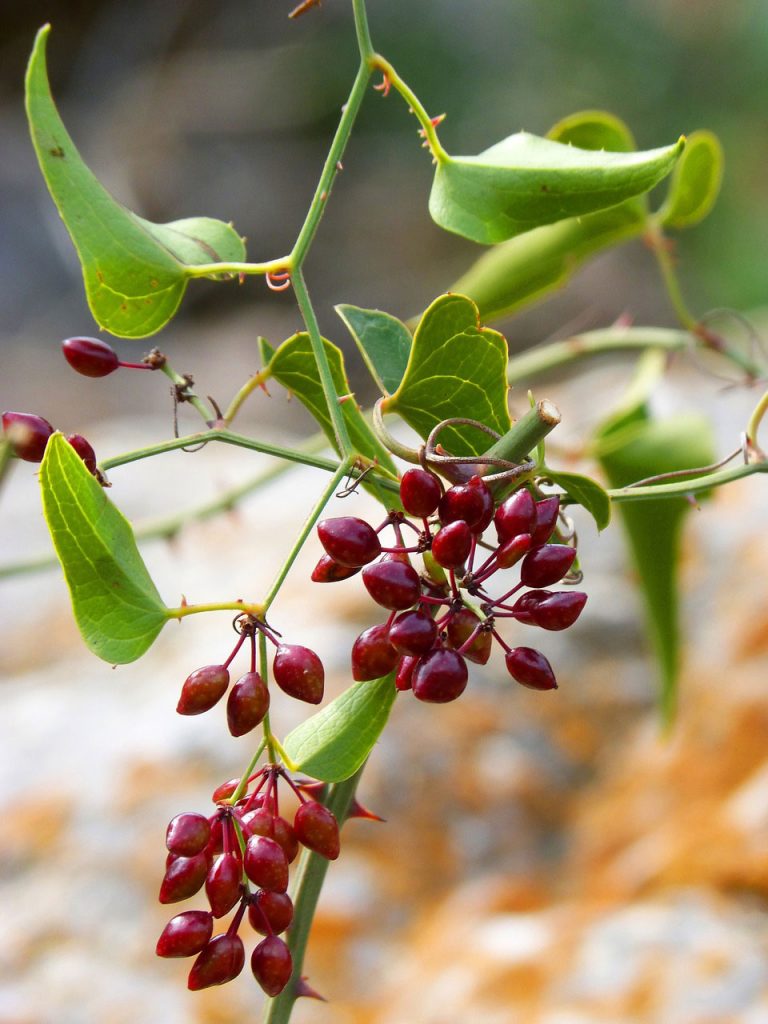
| Colours | Small flowers; red fruit about raisin-sized |
| Height | 1.5 m |
| Edible parts | Dried roots, used in Ayurveda |
For ages, Ashwagandha has been an herb and the ginseng of Ayurveda, which is the traditional medicine of India. It is traditionally considered an adaptogen, meaning an herb that people have used to help the body cope with stress and to support energy. In Ayurveda it has been used as a tonic, and some small studies have looked at its effects on stress and sleep, but there is not enough reliable evidence to say that it treats or prevents any disease. Anyone thinking of using it should talk to a doctor first.
History
The Ashwagandha is also known as winter cherry. The botanical name for it is Withania Somnifera. The Indian name is Ashwagandha, and it is is a shrub with very small star shaped hairs in it. The leaves of the plant are egg shaped and they are hairy and they grow up to 10 cm long. The flowers of Ashwagandha are pale green in color and they have clusters of about 25 and they have fruits that are red in color and with yellow seeds in it. The Ashwagandha is native to India and they are found in parts of Pakistan, Afghanistan and also in some areas of Sri Lanka. We can call this herb as a versatile. The roots of plants are very useful. They are bitter, astringent and heating. As a medicine, it is traditionally used as a tonic.
Anatomy
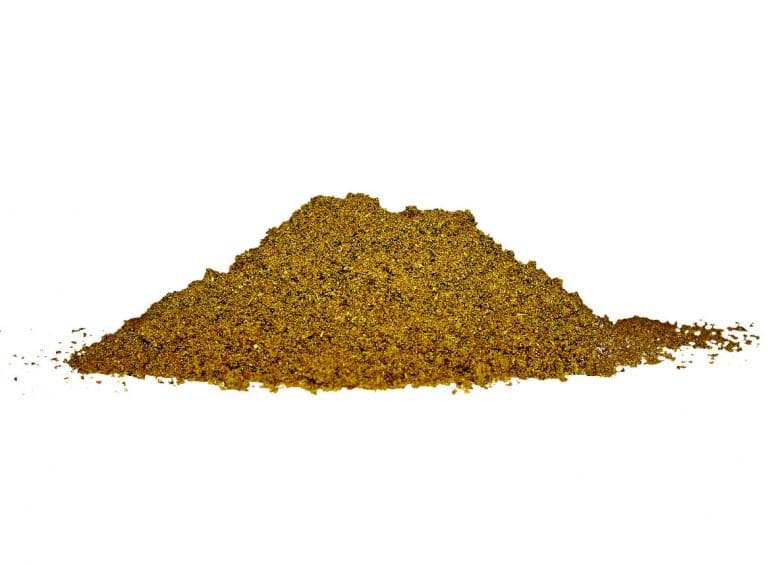
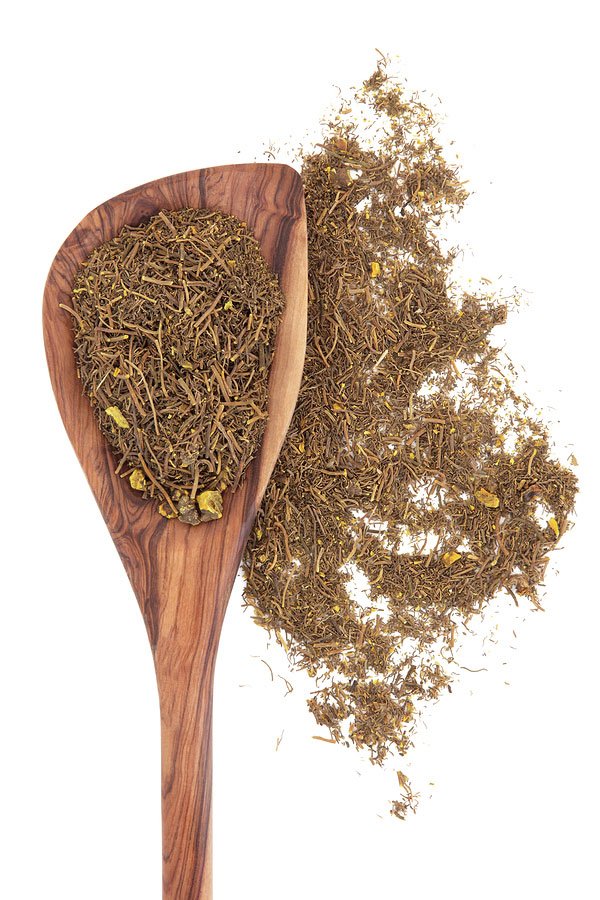
Ashwagandha is a medicinal drug and the dried roots of the plant are used as medicine. They come in small pieces which is 6-12 mm in diameter and 10.0-17.5 cm in length. The pieces come in dark brown color and the interiors are creamy. They are not branched, but conical and straight. The main root of this plant bears fibers. The outer surface of it is buff to gray and yellow and we can see them with wrinkles that are long.
Habitat
The Ashwagandha grows 1.5 meters tall and they are small shrubs. We can relate this plant to tomato. They have small flowers that are greenish-yellow in color and the flowers turn to small red fruits about the size of a raisin. Aswagandha is a native of the Mediterranean, parts of Africa and India.
Soil
The plant needs good sunlight and alkaline soil. They can grow in dry condition and fast drying soil as well. You can plant them in regular garden soil as well. They can grow well in sandy loams and soils that are light red and soil having good drainage with a pH of 7.5 to 8.0.
Watering
The Aswagandha does not need much of fertilization. Organic fertilization is used in some cases. Natural irrigation is the means by which the soil can be watered. Artificial watering is needed only when there is a drought. The hardy nature of Ashwagandha has made it popular among the farmers. They can be grown even on unproductive land.
Temperature and Humidity
Aswagandha is grown as a late rainy season crop. Areas receiving about 500 to 750 mm rainfall are best suited for the cultivation of this crop. Semi tropical areas are best suited for growing them. The roots develop if they receive one or two winter rains. During the growing period the plant needs relatively dry season. A temperature of about 20 degree C to 38 degree C is tolerated by the Ashwagandha plant. The plant grows to an altitude of 1500 meters above sea level.
Planting
The leaves of the Ashwagandha plant are egg shaped. The leaves are uniform and five petal flowers. The fruits are red in color. The plant bears, flowers all round the year. The root of the Ashwagandha is the main part of the plant. The prize is paid for the root. When we uproot the Aswagandha root we can see a long taproot and a mass of small roots. If Ashwagandha is cultivated in one acre of land, you can get about 500 pounds of root and when it dries it reduces to 150 pounds. The plant gets matured in one year. January to March is the harvesting period. The plant needs less of attention and almost no irrigation for them to grow. They grow even in the parched climate of the Southern part of India. The Aswagandha plant is famous for its strength and vigorous nature. It is traditionally used to help the body cope with stress.
Uses
The Aswagandha is a plant with significant benefits. They are highly adaptogenic. It helps them with good physical labor to adapt to stress. It works as a rasayana, which means it helps in longevity and vitality. It is traditionally believed to support the joints and nerves.
Pests and Diseases
Ashwagandha is not affected much by pests. If the insects attack the plant, a roger spray will help to destroy the pests. A repeated spraying of roger in every 15 days will help them to stay away from pests. Mites and insects may also be destroyed if roger is sprayed. Certain diseases like rot and the blight are observed. The seedling mortality is highly increased if the temperature is high and if the condition is humid. Use seeds with less diseases, this minimizes the incidence of diseases. Giving proper treatment to seeds will free them from getting diseases. Neem cake is a good medicine to keep the seeds healthy.
Ashwagandha FAQs
What is ashwagandha?
Ashwagandha is a small shrub that is a relative of the tomato. Its roots are dried and used in Ayurveda, the traditional medicine of India.
Where does ashwagandha grow?
Ashwagandha is native to India and also grows in parts of Pakistan, Afghanistan and Sri Lanka. It can grow even in dry, poor land.
How tall does ashwagandha grow?
Ashwagandha grows to about 1.5 metres tall. It has egg-shaped hairy leaves up to 10 cm long.
What do ashwagandha fruits look like?
The small flowers turn into red fruits about the size of a raisin.
How long does ashwagandha take to grow?
The plant takes about one year to mature. The roots are harvested between January and March.

Randi Jones is the owner and founder of the Nature Gift Store, an online retailer specializing in nature-themed gifts, educational science projects, live animal nature kits and real butterfly artwork. A biology graduate who fell in love with insects, she founded the company in 2001 to make active learning about nature fun, accessible and engaging for children and adults. Her store offers real butterfly frames, home and garden decor and educational live animal kits, including ant farms, worm farms, tadpoles, ladybugs and hermit crabs, and she runs a bug museum in Washington featuring live animals like Eddie the Iguana alongside other reptiles and insects.