Hemp

Scientific Classification & Quick Facts
| Common name | Hemp |
| Scientific name | Cannabis sativa |
| Kingdom | Plantae |
| Phylum | Tracheophyta |
| Class | Magnoliopsida |
| Order | Rosales |
| Family | Cannabaceae |
| Genus | Cannabis |
| Type | Fast-growing herb with separate male and female plants |
| Habitat | Moist, well-drained loamy soil; temperate zones |
| Native range | Central Asia |
| Height | 3–10 ft |
| Edible parts | Seeds and young leaves |
| Special feature | Fibre makes rope, cloth and paper |
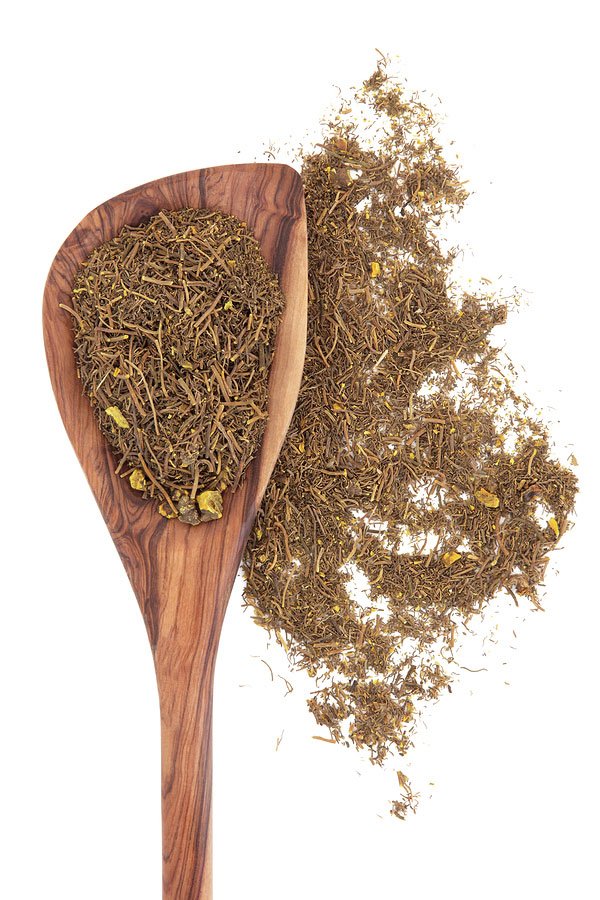
The Hemp herb belongs to the Cannabis genus. The largest producer of hemp herb is China. It is a fast-growing plant. Its oil, seeds, fiber, and nuts are useful It is refined into products such as hemp oil, resin, wax, cloth, rope, paper, fuel, and pulp. Other varieties of Cannabis Sativa are used by drug users. Hemp is one of the oldest sources of fiber, medicines and food. Many times, hemp is confused with the cannabis plant which is a source of the drugs marijuana and Hashish. All three products, Marijuana, Hemp, and Hashish can contain Tetrahydrocannabinol (THC). In humans, this compound produces psychoactive effects. Hemp contains many antioxidants, carotene, phospholipids, phytosterols, and protein. It also contains minerals such as sulfur, iron, zinc, potassium, calcium, magnesium, and phosphorus. The hemp seed oil also contains vitamins A, B1, B2, B3, B6, C, D, and E. Hemp is often called a cash crop. Hemp contains essential fatty acids such as Omega 6 and Omega 3.
History
Hemp is one of the earliest domestic plants. From over 12000 years, it has been cultivated by many civilizations. In China it was used to make shoes, clothes and ropes and in 2800 BC its cultivation for fiber was recorded. The 1500s saw it planted in Chile and in the 1600s it was planted in North America. In the United States, hemp cultivation was restricted for decades under drug laws, but it has been legal under federal law since the 2018 Farm Bill. Hemp is one of the oldest cultivated plants in the world.
Anatomy
The fresh leaves of the hemp plant are used in salads. Their useful seeds can be eaten raw, sprouted or ground into a meal. It is a dioecious and flowering herb. It has Palmately compound leaves and serrated leaflets with its primary pair having single leaflets. Its leaflets keep increasing up to 7 or 9 per leaf. Its stem grows from 3 to 10 feet in height. It is slightly branched and has grayish green hairs. Its flowers are unisexual and are small in size. The fruits of the hemp are smooth, small in size and brownish gray in color. These fruits are completely filled with the seeds..
Habitat
The hemp plant is naturally grown in Northern India, Persia, China and Southern Siberia. It has its origin in Central Asia. During the middle ages, it spread throughout Europe. It grows in the temperate zones. Leading producers of hemp fiber are India, China, Romania, Poland, Hungary and Turkey. And its largest importers are the United Kingdom, Italy, France, Germany and Belgium. It occurs also in the Northern and Central Illinois. Its habitat includes the borders of low lying fields, food plain woodlands, and weedy meadows along rivers, roadside ditches and fence rows. Primarily, you find it in disturbed habitats.
Soil
The Hemp plant can grow in many soil conditions. It prefers well drained and moist soil and is sensitive to soil compaction. Well aerated deep soil with PH 6 is also ideal for hemp. It cannot survive in poorly drained soil. It prefers a soil which has nutrient holding capacity. It requires moist soil because of seed germination. Loamy soil is also ideal for them. It also prefers Neutral to slightly alkaline soil.
Planting
The best time to plant hemp depends upon the weather and the soil conditions. Planting does not depend upon a fixed timing. From planting, the hemp plant germinates quickly and in 3 to 4 weeks it can grow up to 30 cm.
Water
This plant requires a lot of moisture for good growth, which means it requires watering regularly. But it cannot tolerate over watering. Excess water after heavy rainfall is not ideal for them.
Temperature and Humidity
The hemp plant prefers a humid atmosphere and a mild climate. In good moisture conditions, backed with a warm temperature, the seeds of the hemp plant can germinate in 24 to 28 hours and emerge in 5 to 7 days. Seeding of the hemp plant requires a minimum soil temperature of 41 to 46 F.
Care
The Hemp plant does not require high care and maintenance. It is a low maintenance plant. Chemicals are not needed for growing the hemp plant which needs watering and heavy rainfall. It is sensitive to flooding. Heavy rain results in damage to the hemp plant.
Harvest
The seeds of the hemp plant are harvested when they begin to shatter. When 70% of the seeds are ripe, is the optimum time to harvest them. Harvesting of seeds of the hemp plant is tricky and difficult because its seeds mature at different times, even on the same plant. Harvesting of seeds occurs when its flowers are ripe and full of seeds in the month of early October when the plant is about sixteen weeks old. By this time the leaves of the plant have fallen to the ground and provide nutrients to the soil for future years. This time is ideal for harvesting the hemp plant.
Pests and Disease
Many insect pests, bacteria, fungi and viruses affect the hemp plant. But, its vigorous nature and its ability of fast growth help the plant to overcome the attacks of diseases and pests. White and gray mold are common mold pests which affect the plant.
Uses
Hemp is a very useful plant. The oil obtained from the hemp seeds are used to make varnish, paints, edible oil and soaps. The seeds of hemp can be eaten raw, sprouted and ground into meal. These seeds are also used in the making hemp milk. The leaves of the hemp plant are also used in salads, cereals, hemp milk, ice cream, frozen waffles, nut butters and hemp tofu. It is also used in making fabrics. It is used in the manufacture of cordage, durable clothing and nutritional products. They also use it in making sailing canvas. Its seeds, oil and nuts are cosmetic and dietary substances. Its seeds contain 80% essential fatty acids. And they are rich in protein and are very digestible. These seeds are used in cooking and are good for health. It is also used in the treatment of skin problems and acne. It is used as a moisturizer for dry skin.
Hemp FAQs
What is hemp used for?
Hemp is used to make rope, cloth, paper, oil and fuel. Its seeds can be eaten raw, sprouted or ground into meal.
Where does hemp come from?
Hemp comes from Central Asia. It spread to places like India, Persia, China and Siberia, and reached Europe in the Middle Ages.
How tall does hemp grow?
The stem of a hemp plant grows from 3 to 10 feet tall. It has leaves split into 7 or 9 pointed leaflets.
Is hemp the same as marijuana?
Not exactly. Hemp is grown for fibre, seeds and oil, while other kinds of Cannabis sativa are used as drugs. Both can contain THC, the chemical that affects the mind.
How fast does hemp grow?
Hemp grows quickly. Seeds can sprout in a few days, and in 3 to 4 weeks the plant can reach 30 centimetres.

Randi Jones is the owner and founder of the Nature Gift Store, an online retailer specializing in nature-themed gifts, educational science projects, live animal nature kits and real butterfly artwork. A biology graduate who fell in love with insects, she founded the company in 2001 to make active learning about nature fun, accessible and engaging for children and adults. Her store offers real butterfly frames, home and garden decor and educational live animal kits, including ant farms, worm farms, tadpoles, ladybugs and hermit crabs, and she runs a bug museum in Washington featuring live animals like Eddie the Iguana alongside other reptiles and insects.