Fennel
Scientific Classification & Quick Facts
| Common name | Fennel |
| Scientific name | Foeniculum vulgare |
| Kingdom | Plantae |
| Phylum | Tracheophyta |
| Class | Magnoliopsida |
| Order | Apiales |
| Family | Apiaceae |
| Genus | Foeniculum |
| Type | Perennial herb in the celery family |
| Habitat | Dry soils, riverbanks, sea coasts, roadsides |
| Native range | Mediterranean region |
| Colours | Bright yellow flowers |
| Height | Up to about 2.5 m |
| Edible parts | Stalk, leaves and seeds |
| Special feature | Leaves feed swallowtail butterfly caterpillars |
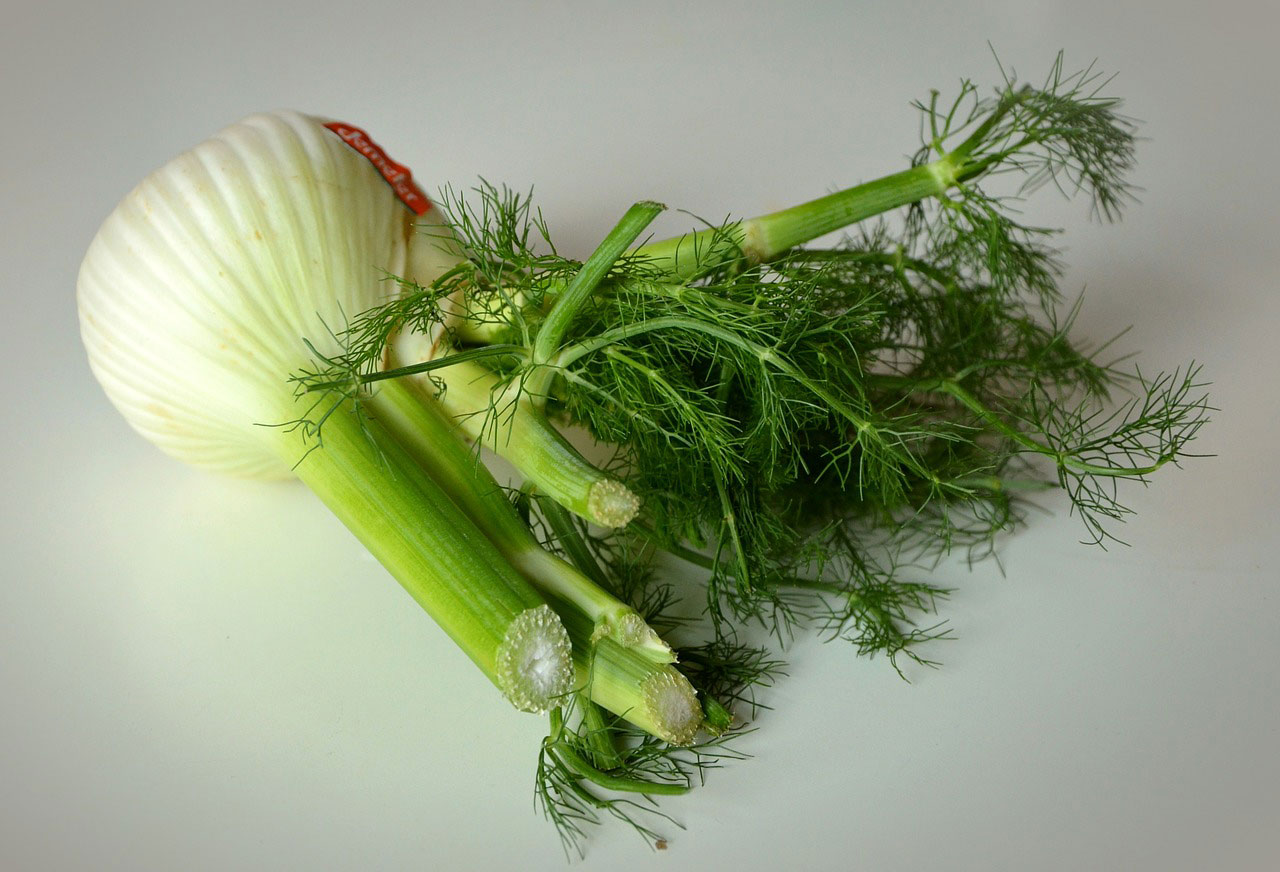
Fennel is a perennial herb which is from the Celery Family called Apiaceae (Umbelliferae). This flowering plant is the only species in the Foeniculum genus. The botanical name of this plant is Foeniculum vulgare. It is native to the Mediterranean region. It has feathery leaves and yellow flowers. It can be seen in places like riverbanks or sea-coasts in dry soils. Fennel is an herb with a distinct aroma and delicious flavor. It is useful for medicinal as well as culinary purposes. In olden times, it was used as a home remedy for several ailments. Most of the parts of the fennel plant are used for culinary purposes. The tall stalk of fennel resembles celery and is edible, and can be used as a vegetable, whereas the leaves and the seeds are used as a flavoring agent.
History
Fennel has a long and rich history. In Greek mythology, fennel was linked to Dionysus, the god of wine, and the hero Prometheus was said to have carried fire from the gods to humans inside a hollow fennel stalk. The ancient Egyptians, Greeks and Romans all used fennel as food and as a traditional remedy. The Greek word for fennel was marathon, and the town of Marathon, where the Athenians fought the Persians in 490 BC, was named after the fennel plants that grew there. Much later, in the 1800s, fennel became one of the flavorings in a strong alcoholic drink called absinthe.
Anatomy
Fennel is a beautiful, perennial plant. It has a thick root and stout stem. The plant is straight and, Glaucous green in color. It grows around 2.5 m in length. The leaves are vivid green and feathery in appearance and can grow around 40 cm in length and 0.5 mm in width. The leaves are arranged in a threadlike or in Filiform (filament-like).The flowers are very attractive and bright yellow in color. It is produced in an umbrella shaped cluster. They are called umbels. Each terminal compound umbel contains 20 to 50 tiny flowers. They grow about 5 to 15 cm in width on short flower stalks. The fruit is very aromatic and used as a spice. It grows from 4 to 10 mm long.
Habitat
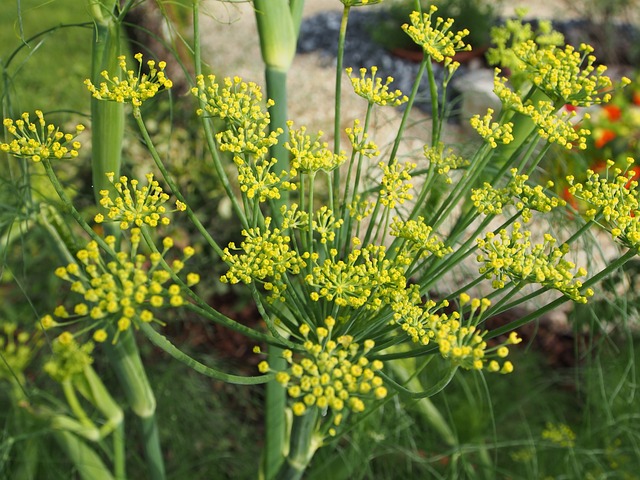
Fennel is a hardy, flowering and Umbelliferous herb, which has feathery leaves and bright yellow flowers. It is believed to originate from Mediterranean shores and from there it expanded towards east and reached India. It grows wild in most temperate areas of Europe. It was also found immensely during human civilization, especially during the Italian colonization in dry soil areas like river banks or sea-coasts. It has become very common along roadsides, in pastures and other open areas of the United States, Canada, Asia, Europe and Australia. In western parts of North America, it can be found extensively in hilly and coastal regions except desert areas.
Soil
Fennel herb should be cultivated in well drained and loose soil. It doesnt need much fertile soil. It will equally thrive in ordinary soil, but enriching soil with enough amount of compost will be good. The soil should be moist during the germinating period. The pH level of the soil should be 6.0 7.5 for the fennel to thrive well.
Temperature and Humidity
Being a perennial herb, Fennel is preferred to be planted after the winters final frost. Soil temperatures between 50° F and 70° F will help the seeds to germinate soon. The plant will mature only by 100 days.
Planting
Fennel roots grow deep into the soil; hence it is best to sow it in a ground rather than a pot. Transplanting can be done only after the plant is large enough; hence transplanting fennel seeds are not recommended. Add a general purpose fertilizer or mulch to enrich the soil, if needed. Seeds should be placed about 1 inch deep into the soil and 10 to 12 inches away from each other. Rows must have 3 feet distance from one another. It should be regularly watered till the seeds germinate. Seeds can also be planted without gaps and later thinned to a similar distance after the plants grow. Providing mulch for about 4 inches over the plant is a good idea for winter protection. Evergreen boughs, tree leaves or straws can be used as mulch. Care should be taken to plant fennel away from other plants or it will lead to cross-pollination.
Watering
Fennel plant needs regular watering once a week during normal climate and twice during dry climates. During the germination period, water should be applied with a light spray nozzle till the shoots appear. Soil should be moist but there should be enough drainage. Water logging can lead to root rot disease. Allow the soil to nearly dry between two watering.
Care
Fennel plant should be trimmed accordingly to make it bushier. If it has too weak and long stems, then it should be staked. Sometimes deadheading will be needed to stop the plant from dropping seeds and spreading too much. Flowers should not be cut before fading as they attract useful insects and its leaves are favorite to the Caterpillars of Swallowtail Butterflies. After the severe cold climate, the plants can be cropped well to maintain its growth.
Pests
Pests and diseases do not attack fennel much, but sometimes, insects, whiteflies and aphids can target this herb. Fennel can be protected from these insects by using hose blaster or insecticidal spray. Always allow the leaves to dry the whole day by rinsing in the morning time, to keep away the risk of molding.
Fennel FAQs
What parts of fennel can you eat?
You can eat the celery-like stalk as a vegetable. The feathery leaves and the seeds are used to flavour food.
Where does fennel come from?
Fennel is native to the Mediterranean region. From there it spread east to India and now grows wild in many warm parts of the world.
How tall does fennel grow?
Fennel can grow around 2.5 metres tall. It has feathery leaves and umbrella-shaped clusters of bright yellow flowers.
How often should you water fennel?
Water fennel about once a week in normal weather and twice a week when it is dry. Let the soil almost dry out between waterings so the roots do not rot.
Which insects like fennel?
Swallowtail butterfly caterpillars love to eat the leaves. The flowers also attract helpful insects.

Randi Jones is the owner and founder of the Nature Gift Store, an online retailer specializing in nature-themed gifts, educational science projects, live animal nature kits and real butterfly artwork. A biology graduate who fell in love with insects, she founded the company in 2001 to make active learning about nature fun, accessible and engaging for children and adults. Her store offers real butterfly frames, home and garden decor and educational live animal kits, including ant farms, worm farms, tadpoles, ladybugs and hermit crabs, and she runs a bug museum in Washington featuring live animals like Eddie the Iguana alongside other reptiles and insects.