Fish Life Cycle
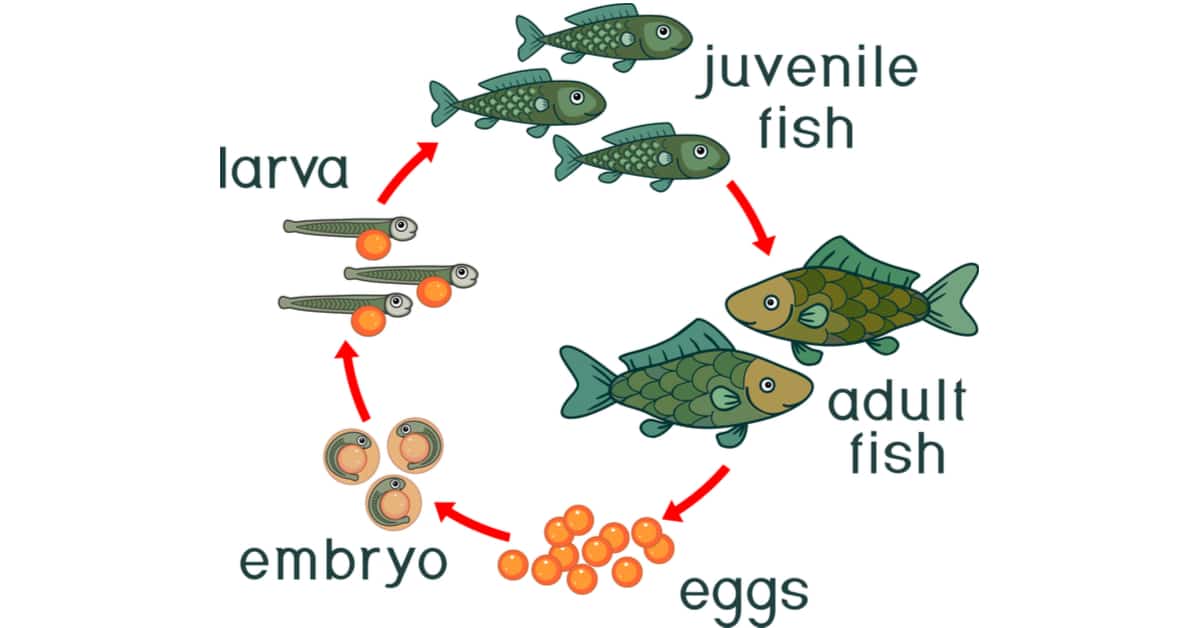
Fish are one of the most mysterious creatures, yet one of the most common pets. Fish can be very small to very, very big! How does the life cycle of a fish work? Dive into an ocean, pond, or fish tank to find out!
In the beginning…. the egg
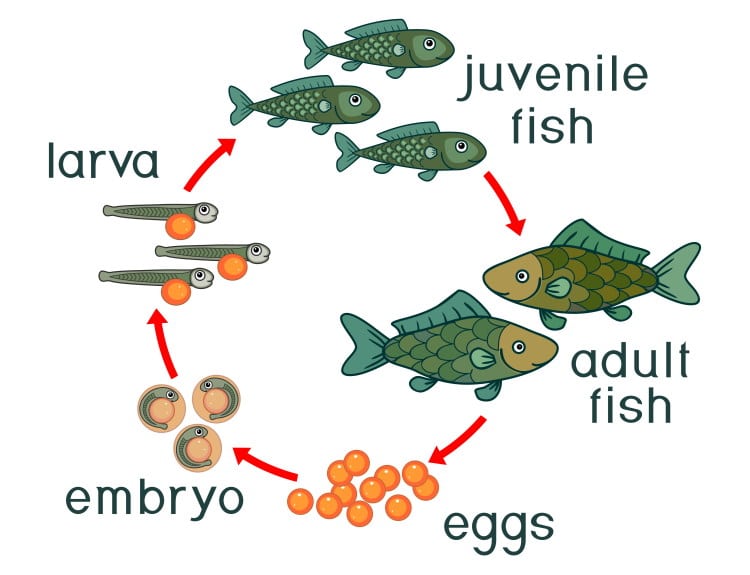
The first step to the fish life cycle is the egg. The mommy fish will lay many, many eggs. She lays a large number of eggs because many of the eggs will not survive. Shortly after laying the eggs, the daddy fish will come by and fertilize the eggs. This is called spawning and occurs with many types of fish. Spawning happens in the fish life cycle as well as the frog life cycle.
Because there are many differences in fish species, there are differences in the beginning of reproduction as well. Some fish will actually mate and the eggs were be fertilized when hatched. In another versions of the fish life cycle, the mom and dad fish will mate, but the next step is different. The eggs will hatch before they are born and the female fish will give birth to live young.
After the eggs hatch or fish are born different species vary on how they take care of their young. Some fish called nonguarders lay their eggs and leave. Other fish called guarders will protect their eggs. The males will even help out! The last type of fish are called bearers, which are the ones who give birth to live young. They will carry their young around in a pocket or their mouth. This is somewhat similar to a kangaroo!
Remember when I said fish are mysterious? Do you know of any other animal that closely related that differs so much?
Stage 2 — Larva
As the fish hatch, they move from an egg to larva in the fish life cycle. Larva get their nutrition from the yolk sack in the egg. This can last up to four days. During this time, their eyes and mouth are still developing and they are not yet ready to eat food. Once their eyes and mouth are developed, then they can eat live food and move onto the next stage in the fish life cycle — fry.
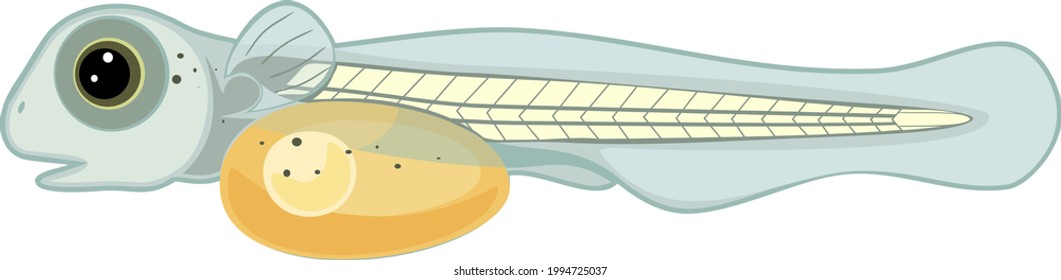
Stage 3 — Fry
As previously stated, the next step in the fish life cycle are called fry. Fry fish are able to eat on their own and are no longer reliant on the egg yolk. They are still very small at this stage and very vulnerable to predators. Fry grow very, very fast just like you did as a baby! Just like an infant, this stage in the fish life cycle can last for several months.
The more they eat, the faster they grow and the stronger they get! Do you remember being an infant? Probably not! It is likely adult fish do not remember the fry stage in the fish life cycle either!
Stage 4 — Juvenile
From a fry, we get a juvenile fish. The juvenile is equivalent to a teenager in the fish life cycle. Essentially, we went from eating bottles and baby food to steaks and cheeseburgers! The juvenile looks very similar to an adult fish, but is smaller and weaker. Because of this, many fish do not survive past this stage into adulthood.
They are vulnerable to several things at this point in the fish life cycle. These include: water temperature and oxygen levels. Predators may also attack this juvenile fish. They also do not have the same experiences and are most likely to partake in risky behavior than an adult fish. The fins and scale really start to develop in this stage, which will aide in protecting the fish and allowing is to swim faster.
Stage 5 — Adult
The final stage in the fish life cycle is the adult stage. The adult stage lasts longer than the other stages in the fish life cycle — up to 150 years for large species! This again will be very similar to you. While it seems that some adults are old, it is because the adult stage can lasts many years! Their adult life can be much longer than childhood.
When a fish becomes an adult, it will be able to reproduce again to repeat the fish life cycle. Do you remember where the life cycle started? The egg! After the egg we had the larva, then the fry, the juvenile, and finally the adult fish. The cycle will repeat over and over again. Crazy, right!
Fish as Pets
Many people, children and adults alike, choose to keep fish as pets. They can be very fun to watch and are easier to maintain than other types of animals. You don’t even have to take them on a walk!
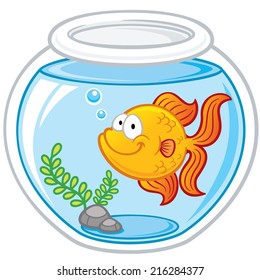
Be careful though, many types of fish will grow to fit their tank. If you get a goldfish and keep him in a small tank, he will stay small. If you put him in a pond, he will grow big. However, he will not shrink if you put him back in his tank! Have you heard of the term, “a big fish in a little pond?” That is what would happen to a goldfish if you returned him to a smaller environment!
Some fish live is freshwater and some live in saltwater. You need to make sure the environment you have is suitable for the fish you are purchasing before bringing him home. What do you think about fish living in different types of water? Salt water is found in the ocean, and is not safe to drink for humans. Fish that live in freshwater live in ponds, rivers and streams. Freshwater is the type of water you drink and bathe in!
Again, remember when I said fish are mysterious? Would you like a fish as a pet? Let us know in the comments!
If you are curious about bringing home a new fish, you may want to know how to set up an aquarium. You may also enjoy reading about tropical fish here. For all other information about fish, click here.
Having discovered a fondness for insects while pursuing her degree in Biology, Randi Jones was quite bugged to know that people usually dismissed these little creatures as “creepy-crawlies”.