Green Iguana
Scientific Classification
| Kingdom: | Animalia |
| Phylum: | Chordata |
| Class: | Reptilia |
| Order: | Squamata |
| Family: | Iguanidae |
| Genus: | Iguana |
| Species: | I. Iguana |
Among the Most Distinguishing and Prehistoric-Looking Lizards on the Earth
The common iguana (Iguana iguana) or green iguana is an arboreal large species that is generally herbivorous lizard, inhabiting the Caribbean, and Central and South America. Generally, most people refer to this animal as the iguana. Their populations span from Southern Mexico to Brazil, including several Caribbean islands like Curacao, Grenada, St. Vincent, St. Lucia, Trinidad, and many others.
Anatomy
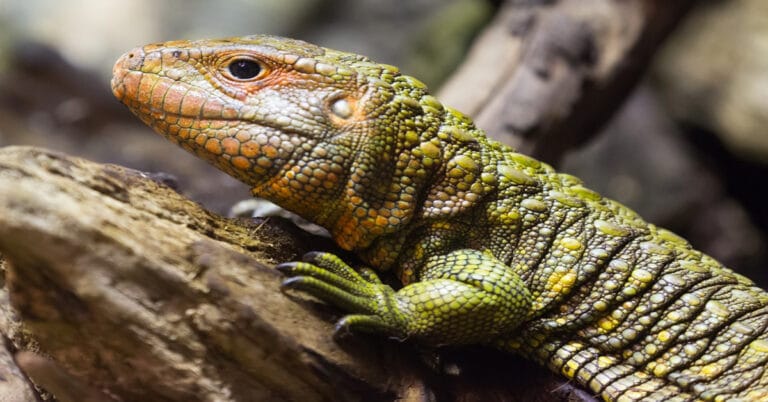
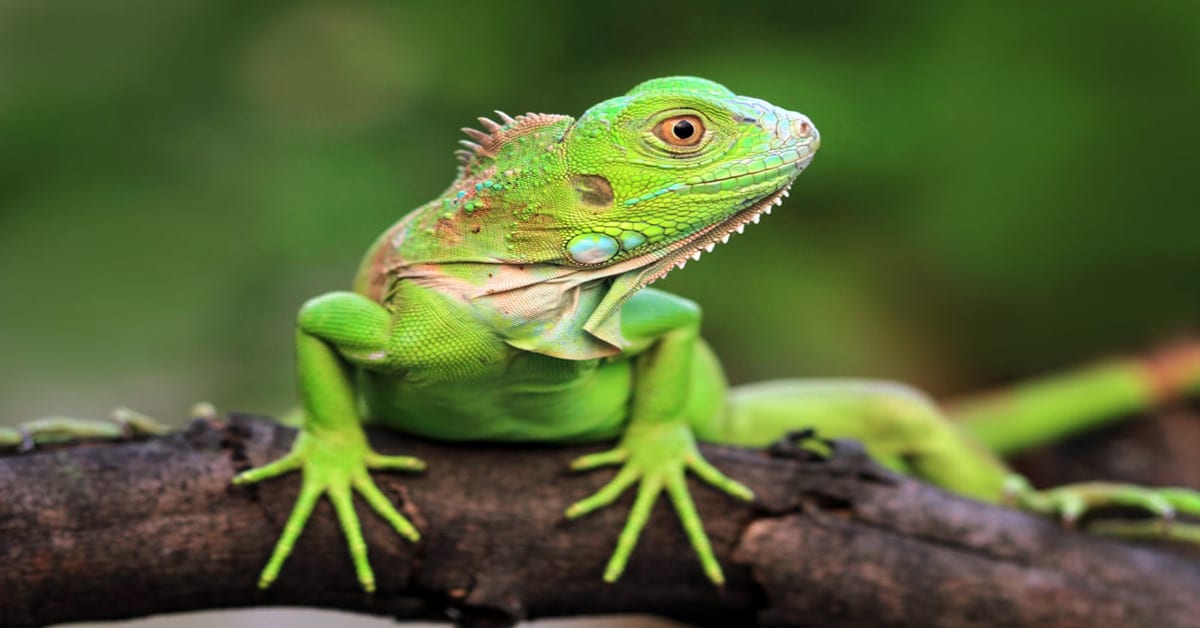
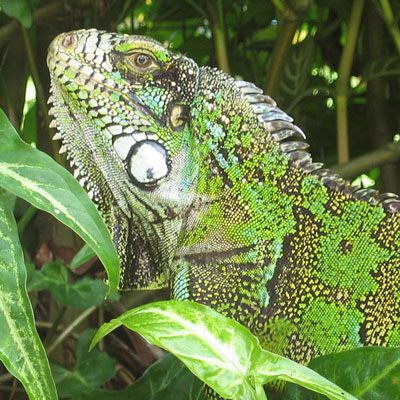
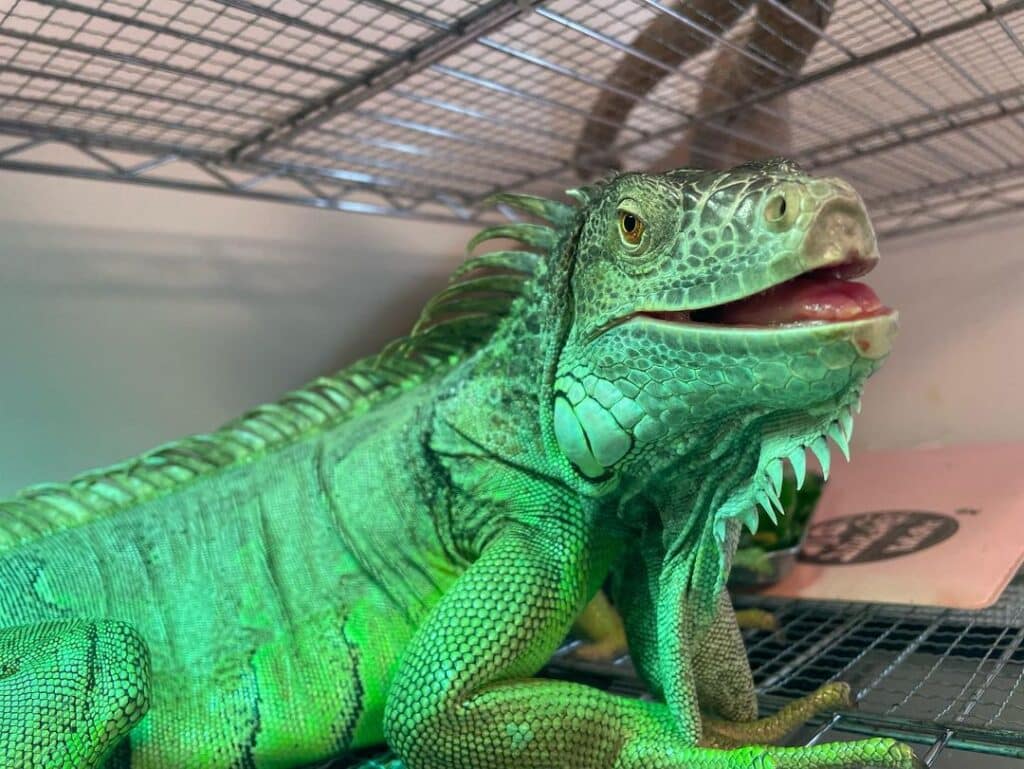
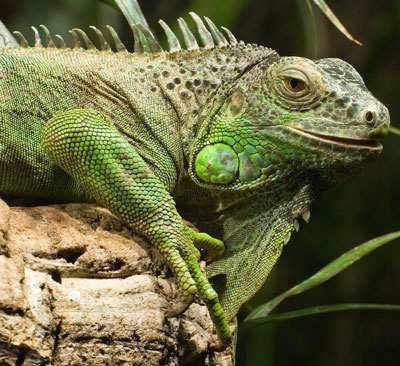
Because of its pointed dorsal spines, big hanging dewlap and dominant scaled jowls working together, the zoologists classify iguana among the most distinguishing and prehistoric-looking lizards on the earth. Color varies from subdued browns to muted greens, along with a tail having black stripes.
Behavior
These lizards have a strong reputation for natural docility, but they are more active than you may imagine. In the beginning, they are likely to resort to tail thumping but can turn aggressive in the end.
Natural Habitat
The Green Iguana is an arboreal lizard, inhabiting the humid rain forests of South America.
As a Pet
Green iguanas are among the most familiar and widely known lizards of the world. Their striking looks along with a good personality makes their choice as a pet reptile quite popular.
Housing
The larger lizards can grow to a length of six-feet. You may find it challenging to build a cage of appropriate size. The minimum recommended size of the enclosure is six-feet long x four feet wide and four-feet in height.
Heating and Humidity
Green Iguana
The cage should enable the iguana to choose the preferred level of humidity and temperature at any given time. Keep the temperature of the laze-around area at around 115-to120° F. You can use a halogen flood light for maintaining the desired temperatures (spot light is not good, as its beam proves too strong for the animal)
As this variety of lizard comes from tropical areas, you need to have an enclosure having a 70% humidity level.
Temperature and Lighting
Tropical origin demands temperatures of 75 to 95 degrees F (or 24 to 32 degrees C) for these green iguanas. You must also take care to provide a source of ultraviolet lighting (UVA and UVB) to enable their bodies to develop vitamin D, failing which they will fall a prey to the bone disease if not treated immediately
Food
The green iguana thrives on an 80% vegetable diet, with about 10% of non-acidic fruit and protein 10%. You would do well to avoid store-bought pellets and softened dog food. Easily available iguana foods are tomatoes, green apples, green beans, okra, collard greens and the like. Since the green iguanas are large, you must take care to give them enough nutrients to accelerate their growth. Try dusting their food with vitamin and calcium supplements before feeding.
Breeding
These animals are extremely social and you can grow a pair of male and female together from hatchling stage to improve chances of compatibility in breeding. Temperature manipulation is not critical to the breeding process of these lizards. If you are lucky, you will see the female lay eggs in clutches, totaling 12-30 and guarding them until they hatch. The ideal substrate for breeding is play sand.
Handling
Both males and females, with patient handling can turn into lovely docile pets, enjoying your stroking and rubbing their bodies. They may initially resist, but will soon become tame. However, several notes on green iguana care recommend that you should take particular care not to touch the males on their face after breeding when they are a bit erratic in their behavior. It is not a good idea to leave unsupervised children with these lizards.
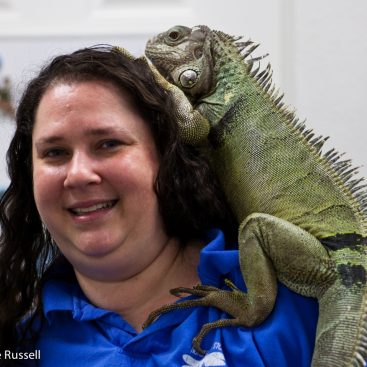
Having discovered a fondness for insects while pursuing her degree in Biology, Randi Jones was quite bugged to know that people usually dismissed these little creatures as “creepy-crawlies”.