Blue Tongue Skink
Scientific Classification
| Kingdom: | Animalia |
| Phylum: | Chordata |
| Class: | Reptilia |
| Order: | Squamata |
| Infraorder: | Scincomorpha |
| Family: | Scincidae |
| Subfamily: | Lygosominae |
| Genus: | Tiliqua |
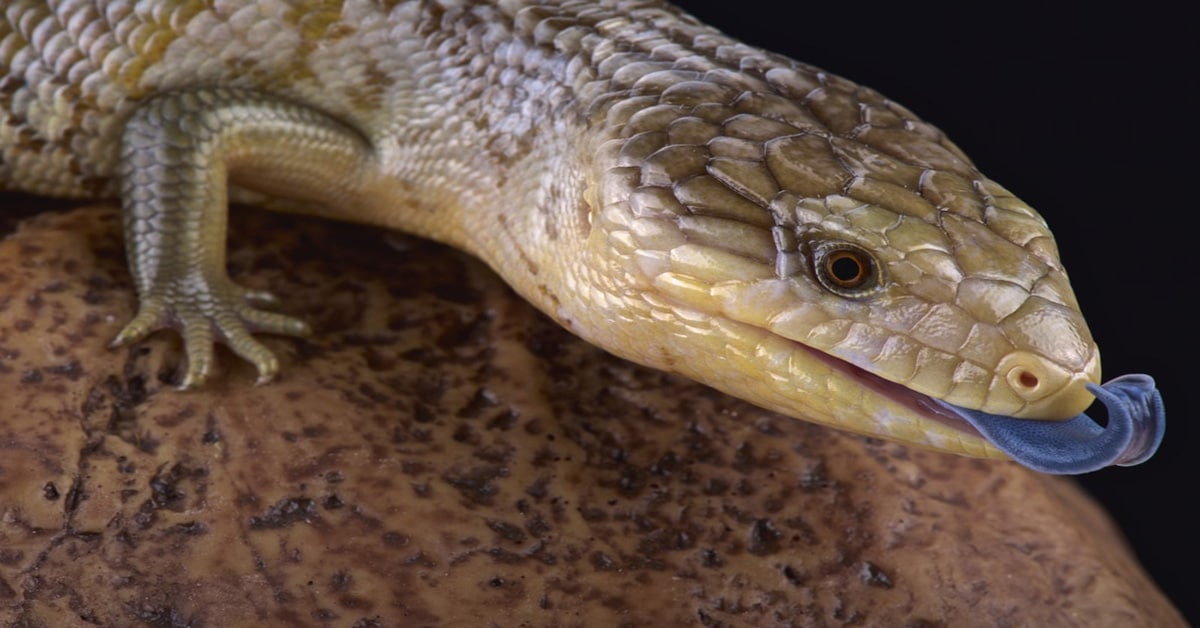
Name Derives from the Cobalt Blue Tongue
Blue-tongued skinks (Tiliqua) belong to the Australasian genus Tiliqua, few big members of the skink family belong to this genus. In Australia, they call them blue-tongued lizards or just bluetongues.
Anatomy
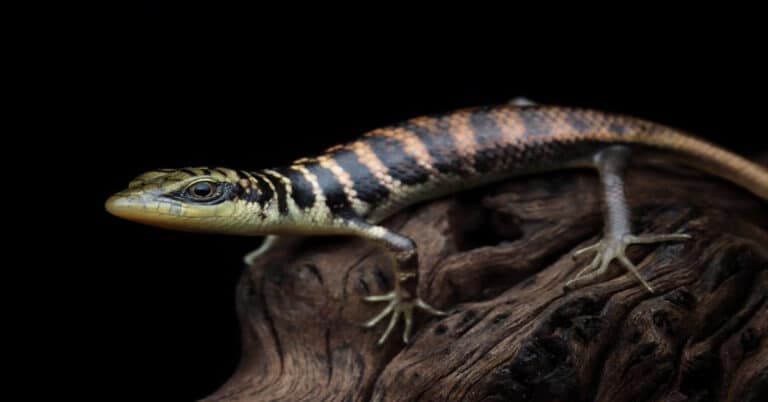
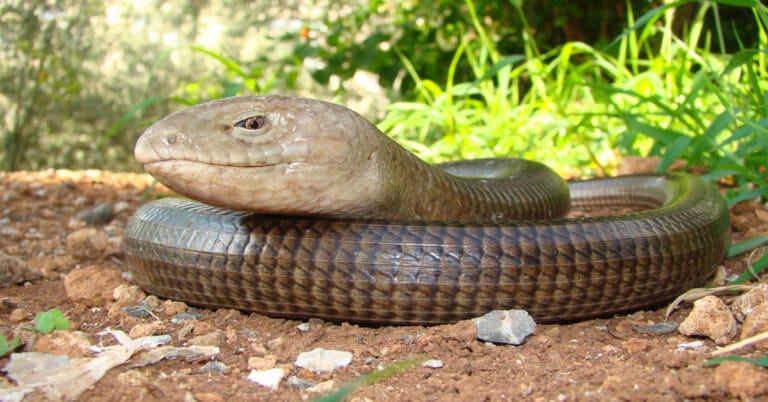
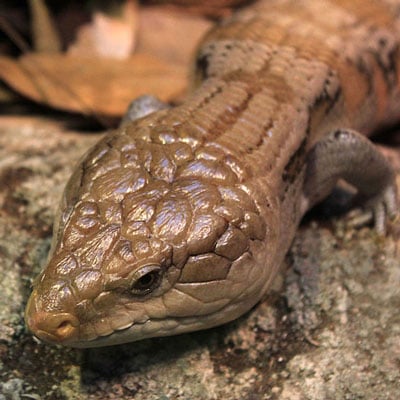
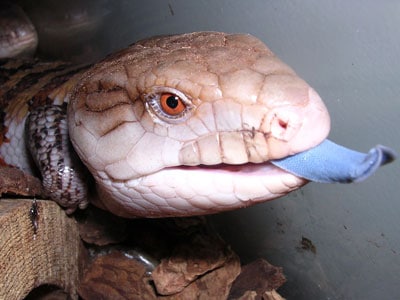
The blue-tongued skink’s name derives from the cobalt blue tongue, an attribute common among other skinks. It has a big head, sturdy limbs, with flat broad body and a bulky tail. It belongs to the largest variety of skinks. The color of its body is a blend of gray, brown black and dark brown of marble design.
Lifespan
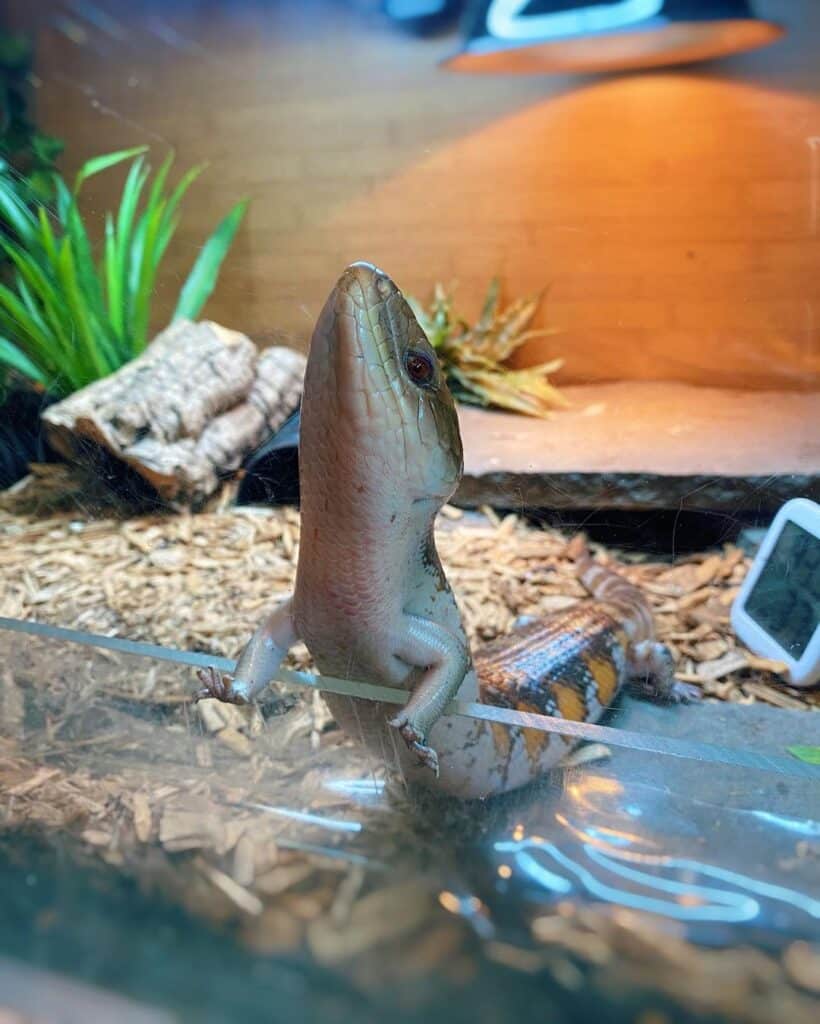
It lives for 15 to 20 years.
Natural Habitat
You normally see them in uptown gardens, farmlands and dry open places.
As a Pet
Blue tongue skinks are inquisitive and accommodating in nature, and astonish their keepers. Reptile enthusiasts of all types see a charm in them. This peculiar brainy blue-tongued skink is an ideal pet lizard.
Housing
House the little blue tongues in terrariums made of special plastic or glass tanks of size 10 – 20 gallon that has full screen tops. Seclude the litter from others. House the grown up blue tongue skinks in cages of size 36” x 18”x 10” (L x B x H) that have full screen covers. Blue tongue skinks belong to the land and as such, they need more floor space than climbing places. The bigger the cage, it is the better. It is better to keep these blue tongue skinks independently. If you keep a pair or females together, or a pair of a male and a female, keep a close watch on them.
Substrate
Use fir bark, recycled paper, mulch of cypress (not kept wet) and synthetic grass (not preferred) as substrate. Irrespective of the substrate you use, confirm that the skinks do not eat them. You can prevent this risk by making use of a dish for feeding. Since the Blue tongue skinks mostly live on the ground, maintain the substrate clean always.
Lighting and Temperature
Keep the temperature on the cool side of the housing at 75-80°F at day and about 70°F at night. Provide a basking space of 90-100°F, Keeping a heater below the tank will help. Use an incandescent light for basking (or heat emitter), or both. Overhead lights add value, since they motivate the skinks to bask.
Humidity and water
Keep a suitable water dish with pure water available all the time. Blue tongues from the north, hail from partially dry places; they need low humidity and sufficient ventilation. The ideal humidity range is from 25 -40 %. Use a hydrometer (humidity gauge) to watch the level of humidity.
Feeding
They are omnivorous. They eat anything and everything available to them. You would do well to feed them with mealworms, a suitable sized crickets, roaches and wax worms. Frequently supply many types of dark leafy greens (collard greens, romaine lettuce, mustard greens) and fruits (banana, apple, apricots, and figs). Good quality calcium/vitamin supplement with vitamin D3 is essential.
Breeding
They breed in the spring and females deliver from six to twenty hatchlings in the fall. According to researchers, six is normal. The mother drains her energy while giving birth. Therefore, they reproduce only once in two years.
Handling
Give your pet a few days to adjust to the changed surroundings and get accustomed to you before you handle them. Start handling them when you regularly feed them. In your first handling, do not exceed ten minutes, and during the process, hold the blue tongue skink near to the floor or on a bed, so that you do not drop it. For safety, carry the full body.
Having discovered a fondness for insects while pursuing her degree in Biology, Randi Jones was quite bugged to know that people usually dismissed these little creatures as “creepy-crawlies”.