Knight Anole
Scientific Classification
| Kingdom: | Animalia |
| Phylum: | Chordata |
| Class: | Reptilia |
| Order: | Squamata |
| Family: | Polychrotidae |
| Genus: | Anolis |
| Species: | A. equestris |
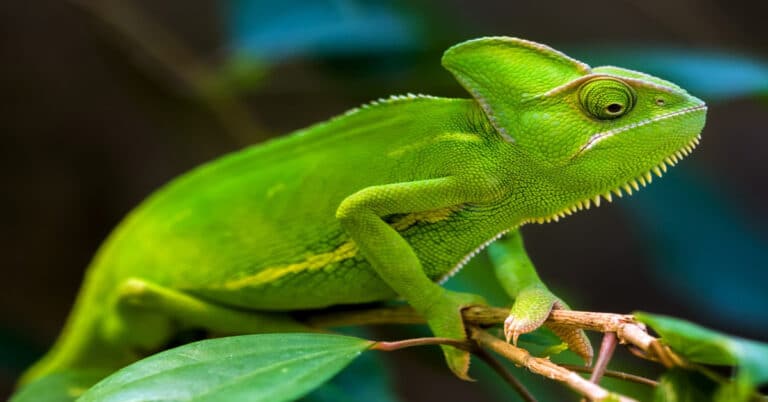
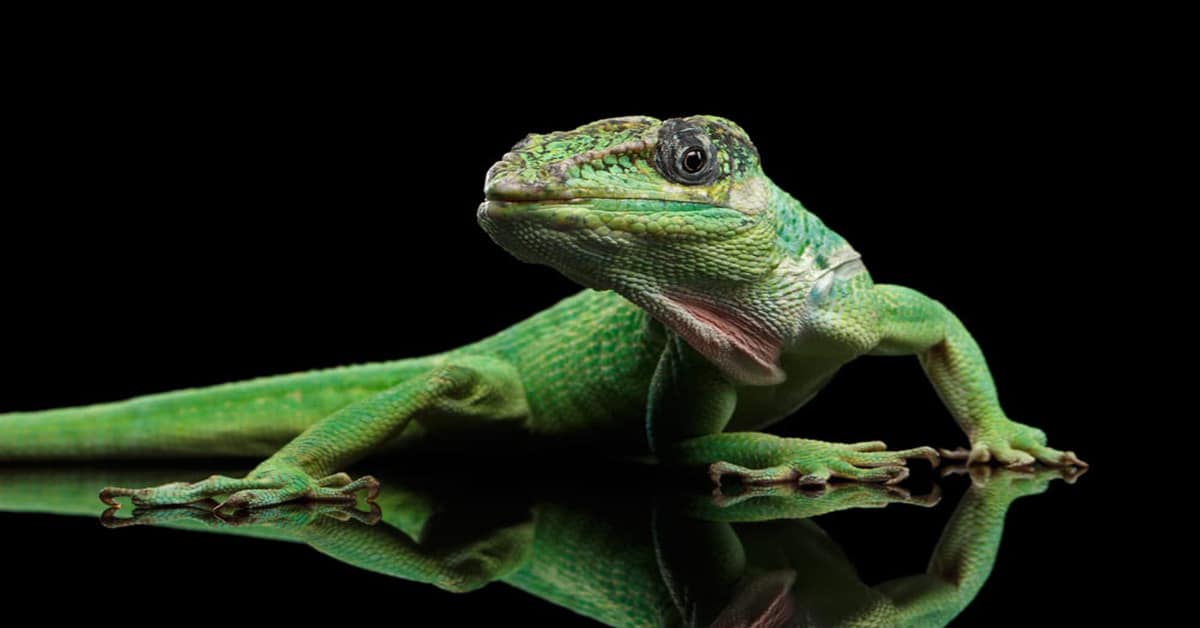
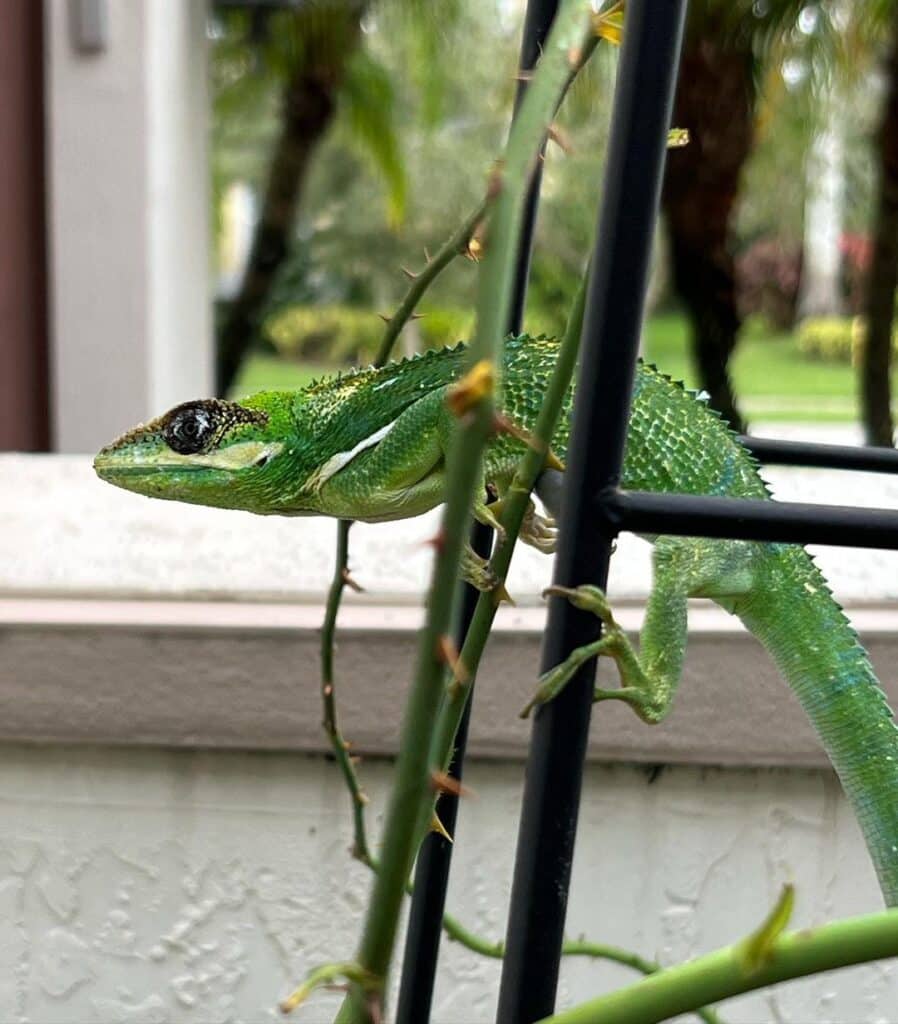
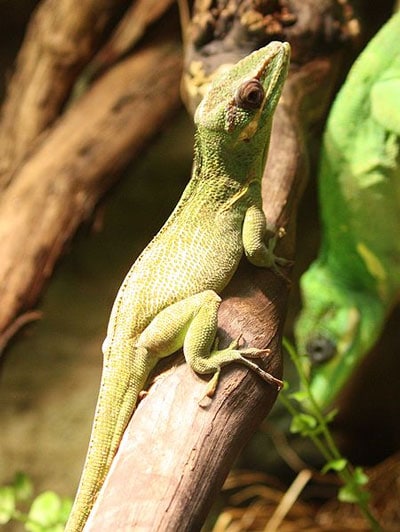
The largest variety of anole is the knight anole or Anolis equestris belonging to the polychrotidae family, otherwise also called the Cuban knight anole. They can grow to a total length of about 13 -20 inches (33-51 cm) from head to tail, with the clear exception of a few lizards that grow up to 24 inches (61 cm).
Distribution
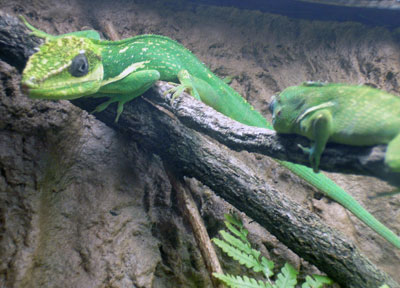
Knight anoles inhabit Cuba, and flourish very well in South Florida in the US, on resettlement. These Knight anoles are unable to tolerate freezing temperatures; when South Florida freezes in winter, they become unconscious and fall from the treetops. They go by the popular name of chipojo in Cuba, their homeland.
Natural Habitat
They particularly live under the shade of tree trunk, as they live in trees. The knight anole thrives on day living; however, for the warmth from rocks, asphalt or sidewalks at dusk, they are lively temporarily at night.
Anatomy
The Knight anole is the biggest among the anoles and grows to about 18-22 inches in the deserts. The small Cuban Knight Anoles when reared in confinement are generally small and attain only 13-15 inches in length when fully grown. The lifespan is 10-15 years in confinement.
As a Pet
Housing
Each anole needs at least 30 gallons of space. Since they are an arboreal species, maintain the height of the cage in excess of the width. Give them a feeling of security by providing branches for climbing plants and vines in the cage. Have an Eco-friendly bed/earth for the substrate of the cage. Keep the soil free from fertilizer/pesticide to avoid accidents by their intake.
Substrate
Cuban anoles are fast in catching and eating crickets. Avoid pebbles or gravel in the substrate that offers scope for accidents by direct collision while chasing prey. Using a dirt substrate of 3 to 4 inches is ideal. Use paper napkins or newspaper pieces, if you need your anoles to exist perfectly secure and tidy.
Water and Humidity
The Knight Anole never consumes water from bowls; hence mist the cage thoroughly to a minimum of two times daily for drinking and for humidity. Maintain the humidity to 59 -80%.
Lighting and temperature
Illuminate the cage with a 5.0 UVB bulb placed in the upper area, with an extra heat lamp at one end of the cage to allow the animals to bask. Maintain the temperature below the basking place at 95 – 100 degrees F in the warmer parts and maintain the cooler portions at around 70 – 80 degrees F.
Feeding
The Knight Anole lizards, when not in captivity take in crickets, grub, spiders, cockroaches and moths (Kaplan 1996). When confined, you would do well to feed them with mealworms, crickets and little lizards. Dust the prey items with any calcium powder supplemented with vitamin D3, once monthly. Give them prey items daily or on alternate days and weekly once feed them with fruits.
Breeding
The Knight Anole breed during the summer. Wooing commences with fighting, but with a mild attitude. In the process, the male wriggle their heads many times and often expand their throat fan to entice the female, and then seizes her by the nape of her neck. The male brings the female’s cloacae in contact by forcing his tail under the female and then forcing its hemipenis into the female cloaca. Studies in the lab proved that they find it difficult to differentiate males from females and males try to mate among themselves.
Handling
Knight Anoles do not respond happily when human beings hold them. When they display a dark color, it shows the high stress level of the lizard that leads to sickness.
Having discovered a fondness for insects while pursuing her degree in Biology, Randi Jones was quite bugged to know that people usually dismissed these little creatures as “creepy-crawlies”.