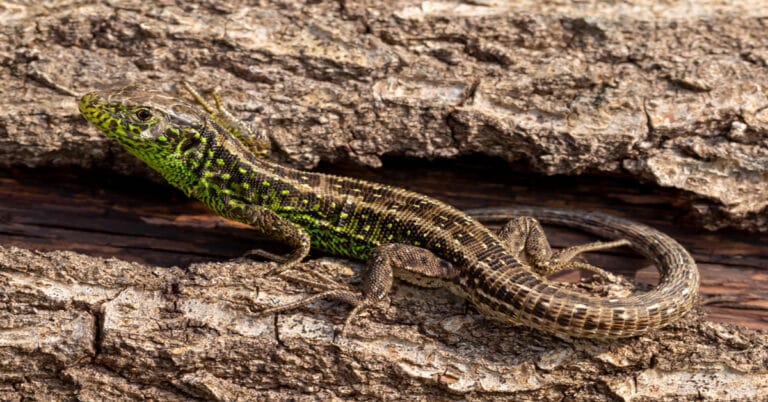
Dragon Lizard

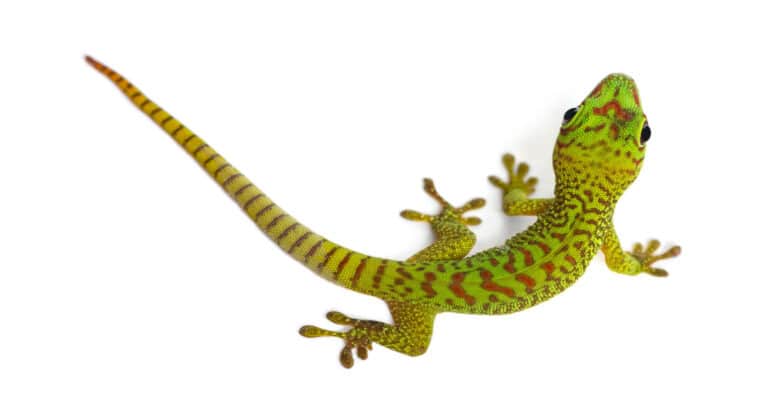
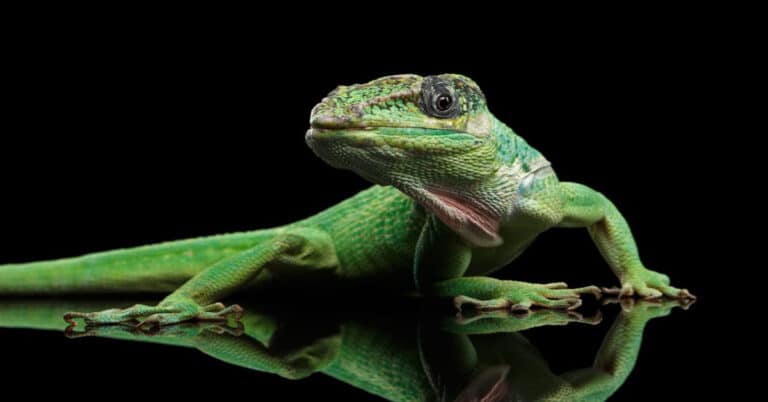
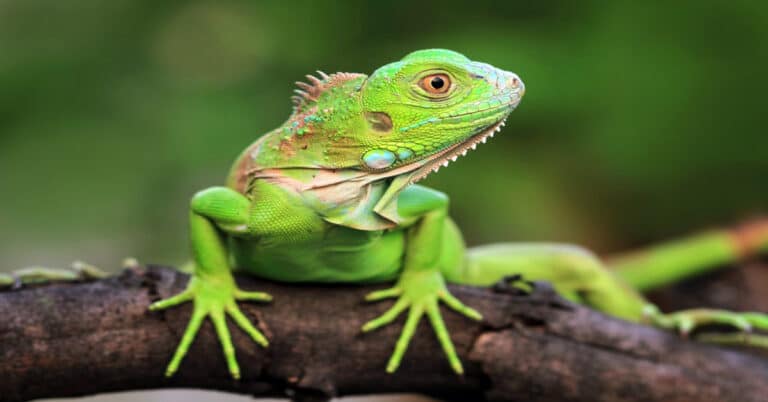
“Dragon lizards” usually means agamids, a big family of lizards (Agamidae) with more than 500 species. They live in warm parts of Africa, Asia and Australia, with a few in south-eastern Europe. Popular pets like the bearded dragon are agamids, but the famous Komodo dragon is actually a monitor lizard, from a different family.

About Dragon Lizards
Agamids range in size from tiny lizards just a few centimeters long to water dragons nearly 1 meter (about 3 feet) long including their tails. Most have strong legs, rough or spiny scales and a long tail. Many can change color, getting darker to warm up or brighter to show off.
They live in an amazing range of habitats, from deserts and rocky hills to rainforests and riverbanks. Most are active during the day and love to bask in the sun. Many species signal to each other by bobbing their heads, doing push-ups or waving their front legs.
Flying Dragons

Draco volans, the common flying dragon of Southeast Asia, is a small agamid that lives in trees. It cannot truly fly, but it can spread out flaps of skin supported by long, movable ribs to make “wings.” With these, it glides from tree to tree, often over distances of 8 meters (about 26 feet) or more. It steers using its tail and the flaps on its neck.
The Komodo Dragon: A Different Kind of “Dragon”
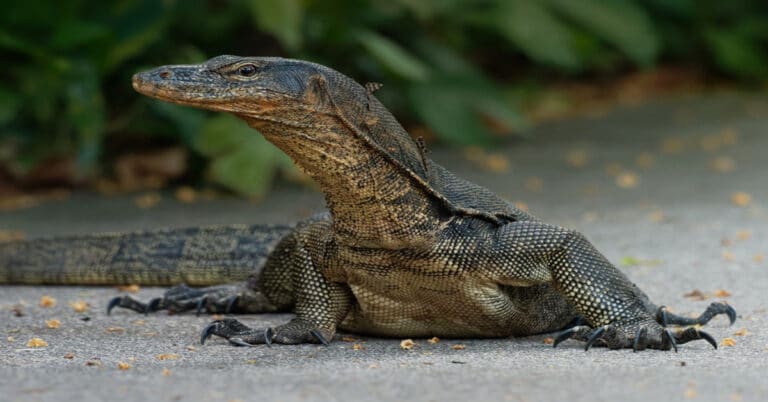
The Komodo dragon is the largest living lizard, but it is not an agamid. It is a monitor lizard, part of an ancient group whose relatives go back tens of millions of years. Western scientists first learned about it around 1910, and it was officially described in 1912.

Anatomy
Komodo dragons can grow to about 3 meters (10 feet) long and weigh around 70 kg (150 pounds) or more. Adults are gray to brownish, while young ones are more colorful. Their skin is tough and contains small bones called osteoderms, which act like armor. They have a long, muscular tail, strong claws, sharp serrated teeth, and venom glands in their lower jaw. They “smell” with their long, forked tongue.
Behavior
Komodo dragons spend cool mornings basking in the sun to warm up, then hunt or search for food. During the hottest part of the day they rest in the shade or in burrows. They are ambush hunters that can bring down deer, pigs and even water buffalo, and they also eat carrion (dead animals).
Habitat
Komodo dragons live only on a few islands in Indonesia: Komodo, Rinca, Gili Motang and Nusa Kode (also called Gili Dasami), which are inside Komodo National Park, and parts of the larger island of Flores. These volcanic islands have dry grasslands, savanna and forest. Komodo dragons are listed as Endangered.
Other Dragon Lizards
Australia has many kinds of dragon lizards. Here are some well-known ones.
Bearded Dragon
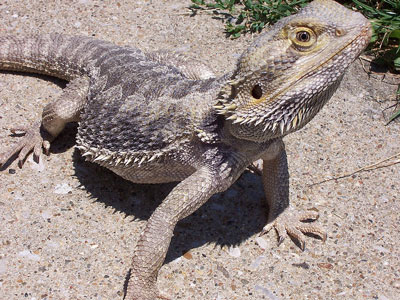
Bearded dragons are among the most popular pet lizards in the world. They are usually calm and gentle, and many tolerate handling well. They are active during the day and sleep at night. When threatened, they puff out the spiky “beard” under their chin, which can turn dark.
Jacky Dragon

The jacky dragon, or jacky lizard, lives in south-eastern and eastern Australia. It is gray to brown with paler stripes and is often seen perched on logs, branches and fence posts. If threatened, it may open its mouth wide to show its bright yellow lining.
Earless Dragons

Earless dragons are small Australian dragons that have no visible ear openings. They are well camouflaged and often live on open, stony or grassy ground. Some species have become very rare as their grasslands have been cleared for farms and towns.
Pebble Dragon and Gibber Earless Dragon

The pebble dragon (Tympanocryptis cephalus) of Western Australia and the gibber earless dragon (Tympanocryptis intima) of central Australia’s stony plains are among the tiniest of Australia’s small lizards, only about 5 to 6 cm (2 inches) long without the tail. When they keep still, they look just like pebbles. Scientists are still working out how many species there are in this group.
Eastern Water Dragon

The eastern water dragon (Intellagama lesueurii), also called the Australian water dragon, can grow to around 80 to 90 cm (about 3 feet) including its long tail. It is gray or brown with dark bands across the back and tail and a black stripe behind the eye. Adult males often have a red chest. These lizards live near rivers and creeks in eastern Australia, and they are strong swimmers that dive into the water to escape danger.
Long-nosed Dragon

The long-nosed dragon, sometimes called the long-nosed water dragon, lives in northern and central Australia, usually near water. It has a long snout, slender legs and a very long tail. It is gray to reddish-brown, with a pale stripe along each side.
Red-barred Dragon

The red-barred dragon (Ctenophorus vadnappa) lives among the rocky hills of the Flinders Ranges in South Australia. Males have bright red-orange bars on their sides and blue on the throat. Its genus name, Ctenophorus, means “comb-bearer” and refers to rows of spiny scales.
Crested (Bicycle) Dragon

The crested dragon (Ctenophorus cristatus) lives in dry, open country in southern Australia, including the Eyre Peninsula. It is very fast and often runs on just its hind legs, which is why it is nicknamed the “bicycle dragon.” Breeding males are more colorful than females and young lizards.
Explore next


Mulga Dragon

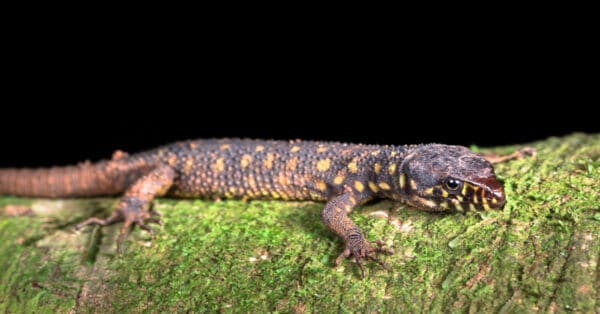
The mulga dragon (Caimanops amphiboluroides) lives in the dry mulga woodlands of Western Australia. It is the only member of its genus, whose name refers to its face, which looks a bit like a caiman’s. It grows to around 25 cm (10 inches) long including the tail and is well camouflaged against tree bark.
Ring-tailed Dragon

Despite its bold name, the ring-tailed dragon (Ctenophorus caudicinctus) is a small, long-legged lizard of rocky outcrops in northern and western Australia. It is reddish-brown with pale bands, and its tail is ringed with dark bands. Males become very colorful in the breeding season.
Chameleon Dragon

The chameleon dragon, or swell-headed dragon (Chelosania brunnea), lives in the woodlands of northern Australia. It moves slowly, like a chameleon, and is rarely seen, so scientists still know little about its habits.
Boyd’s Forest Dragon

Boyd’s forest dragon (Lophosaurus boydii) lives in the rainforests of north-eastern Queensland, including around Cairns. It has a large crest and a big, colorful head. It spends its days clinging to tree trunks, waiting to ambush insects and other small prey. Unlike most dragons, it rarely basks, because the rainforest stays warm.
Western Netted Dragon

The western netted dragon (Ctenophorus reticulatus) is a sturdy, medium-sized dragon of Western Australia’s dry country. Its body is covered in a net-like pattern, and it is often seen dashing between bushes on hot days. It looks very similar to its relative, the central netted dragon.
Dragon Lizards as Pets
Bearded dragons are the dragon lizards most often kept as pets. Before getting any reptile, learn about its exact needs from a reptile vet or a good care guide.
Housing
Pet dragons need a spacious enclosure where they can move, climb and explore. Most species need a basking spot with a heat lamp, a cooler end so they can regulate their temperature, and a UVB light to keep their bones healthy. Give them hiding places and branches or rocks to climb. Keep dragons apart if they fight; adult males in particular often should not share a tank.
Food
Most pet dragons eat live insects such as crickets and roaches, and many species, especially bearded dragons, also eat leafy greens and vegetables. Insects should be no bigger than the space between the lizard’s eyes so they can be swallowed safely. Dusting insects with a calcium supplement helps prevent bone disease. Always provide fresh water.
Breeding
It can be hard to tell males and females apart when dragons are young. In many species, males have larger heads, are more colorful and bob their heads more. Older males often show two bulges at the base of the tail, and a reptile vet can help confirm the sex.
Handling
Many dragon lizards, especially bearded dragons, get used to gentle handling. Support the lizard’s whole body and never grab it by the tail. Let it have quiet time in its hiding spot too. Always wash your hands after handling reptiles, as they can carry Salmonella germs.

Randi Jones is the owner and founder of the Nature Gift Store, an online retailer specializing in nature-themed gifts, educational science projects, live animal nature kits and real butterfly artwork. A biology graduate who fell in love with insects, she founded the company in 2001 to make active learning about nature fun, accessible and engaging for children and adults. Her store offers real butterfly frames, home and garden decor and educational live animal kits, including ant farms, worm farms, tadpoles, ladybugs and hermit crabs, and she runs a bug museum in Washington featuring live animals like Eddie the Iguana alongside other reptiles and insects.