Panther Gecko
Panther gecko Quick Facts
| Common name | Panther gecko |
| Scientific name | Paroedura picta |
| Kingdom | Animalia |
| Phylum | Chordata |
| Class | Squamata |
| Family | Gekkonidae |
| Genus | Paroedura |
| Conservation status | Least Concern |
| Type | Reptile; small, ground-dwelling, night-active gecko |
| Diet | Insects, mainly crickets |
| Habitat | Forest floor, leaf litter and fallen trees |
| Native range | Madagascar |
| Size | Up to about 6 inches |
| Special feature | Tail can drop off; regrown tail looks different |
With Beautiful Patterns a Pleasure to Watch and Handle
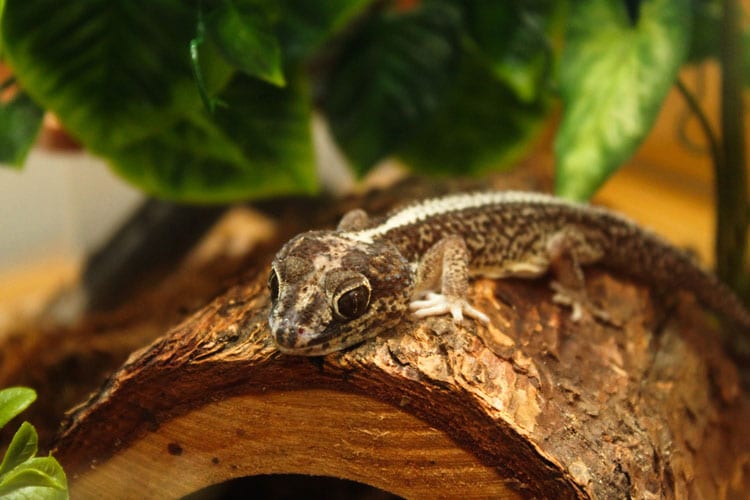
The Panther Gecko (Paroedura picta), also called Madagascar ground geckos, Ocelot geckos, and pictus geckos is a favorite species of pets today.. The Panther geckos are nocturnal lizards belonging to the Island of Madagascar and live among the felled trees of the forest and the litter of the leaves that lie on the ground. They are very small and will grow to about 6 inches in size and you cannot find similar panther geckos anywhere else.
Panther Geckos, well-known as exotic pets are similar to the leopard gecko, since you do not require any special effort to breed them. They are small ground- dwelling lizards with beautiful body patterns, big eyes and great craving for crickets; the right choice for you.

Anatomy
Pictus geckos sexually occur in two different forms. At a glance you can determine its sex. The males’ possess big heads and conspicuous hemi penal bumps near the vent. The female gecko’s bumps are negligible in size or perhaps they lack it. It is ideal to mate your gecko when they reach a ripe age of 1 year, when you can also figure out the sex.
Habitat

A single Panther Gecko needs a living space of a 10-gallon tank. For each additional gecko you have to add a 5-gallon size. The substrata comprises of paper towel, reptile carpet, mulch or a proportional combination of these. Their hiding places are bricks (hide box) and trees for climbing. You must provide a separate hiding space for each gecko. In order to help with shedding and for humidity, you need to keep one hide box moist.
Diet
These insectivorous Panther Gecko eats all types of insects found naturally in the natural habitats of Madagascar. As for hobbyists, crickets form the main food of the Panther Geckos Crickets are available easily, gut loaded and calcium coated for providing proper nutrition to your gecko in captivation.
Silkworms, small beetles, mealworms and the like, also make good meals for these geckos provided you gut load and calcium dust them before feeding. However, please make sure that the feed size does not exceed the distance between the two eyes of the gecko.
Though the nocturnal geckos like leopard, pictus and the like do not need UVB, still you have to supply a light source for their routine affairs at day and night. One 75-watt reptile day light bulb will suffice for 12 hours. Then switch on the infrared 75-watt bulb during the night. You derive pleasure seeing them at night amidst these night bulbs.
A 75-watt reptile daylight bulb combined with a designated heat lamp is ideal for providing heat and light for them. The fixture on the lamp shows the upper limit of wattage the bulb can sustain. Avoid low Voltage lamps and desk lamps as they explode on overheating and are likely to catch fire.
Breeding
Panther Geckos are an abundantly productive species. On being fully developed, you are able to perceive a male form a female by the small bumps they have on the hind side near the tail end. After fertilization, a female lays two eggs about every two to three weeks. They hatch the young ones after 60 days. Female geckos have the clear ability to withhold sperms internally. Hence, they can lay fertile eggs several times after a single mating.
Handling
These beautiful Panther geckos, with their beautiful patterns, are a pleasure to watch, and handle if you can exercise extreme care, Never hold them by the tail, or it can come off, though they grow again, but not to the original shape, Because of their slender legs, you must take great care and handle them very daintily. They are also very reclusive by nature, and nocturnal, but the females seem more active than the males. When young, they are very jumpy, but tend to become docile as they age.
Panther gecko FAQs
Where do panther geckos come from?
Panther geckos, also called pictus or ocelot geckos, come from Madagascar. They live on the forest floor among fallen trees and leaf litter.
How big do panther geckos get?
They are small, growing to about 6 inches long.
What do panther geckos eat?
They eat insects. Crickets are the main food, and silkworms, small beetles and mealworms make good extras. Prey should be no wider than the space between the gecko’s eyes.
How can you tell a male panther gecko from a female?
Males have bigger heads and clear bumps near the vent. In females the bumps are tiny or missing. You can tell at about one year old.
Can you hold a panther gecko?
Yes, but very gently. Never hold the tail, because it can come off and will not grow back the same. Young ones are jumpy but become calmer as they age.

Randi Jones is the owner and founder of the Nature Gift Store, an online retailer specializing in nature-themed gifts, educational science projects, live animal nature kits and real butterfly artwork. A biology graduate who fell in love with insects, she founded the company in 2001 to make active learning about nature fun, accessible and engaging for children and adults. Her store offers real butterfly frames, home and garden decor and educational live animal kits, including ant farms, worm farms, tadpoles, ladybugs and hermit crabs, and she runs a bug museum in Washington featuring live animals like Eddie the Iguana alongside other reptiles and insects. Randi wrote most of the guides on this site. They first appeared on her long-running nature sites, including Monarch-Butterfly.com, Ladybug-Life-Cycle.com, Frog-Life-Cycle.com, Dragonfly-Site.com and Butterfly Pictures, which have now been brought together here at Learn About Nature.