Golden Gecko
Restless, Easily Stressed but If Properly Dealt, You Can Domesticate Them
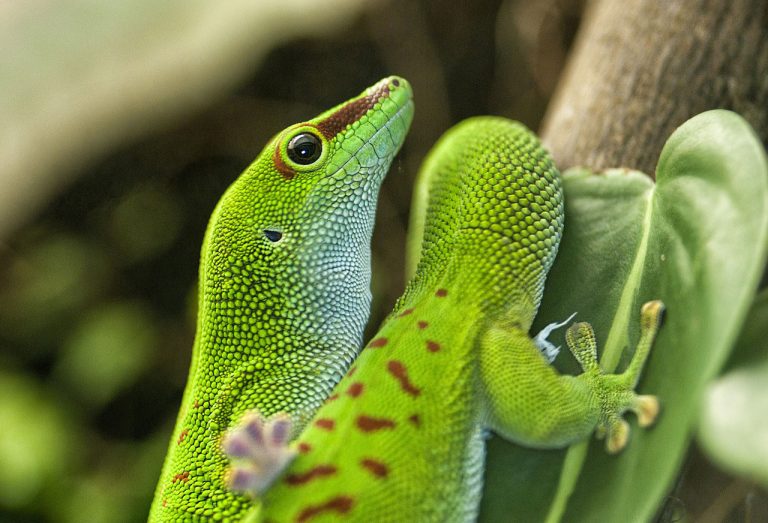
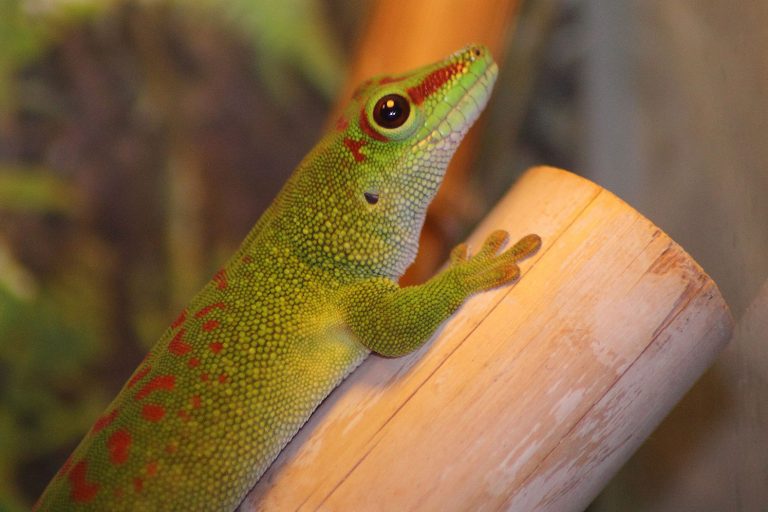
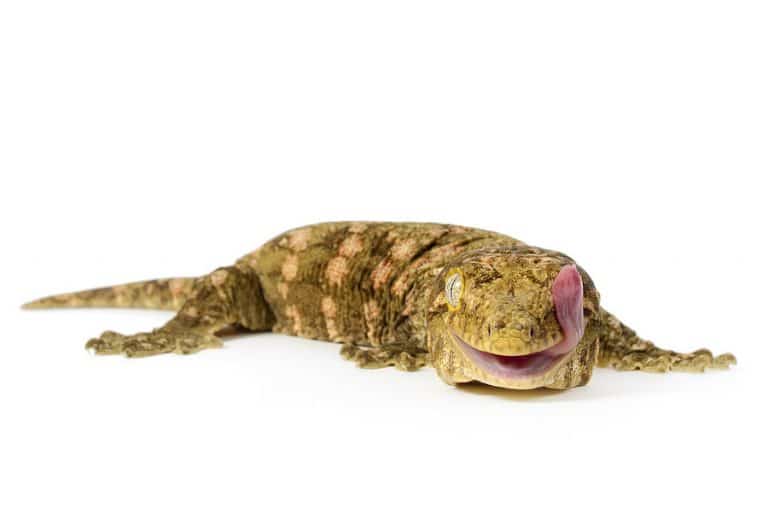
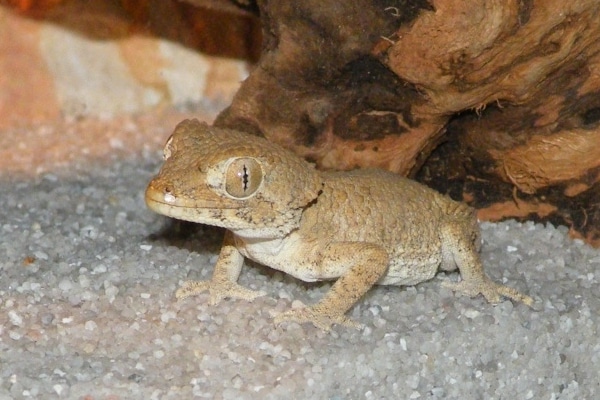
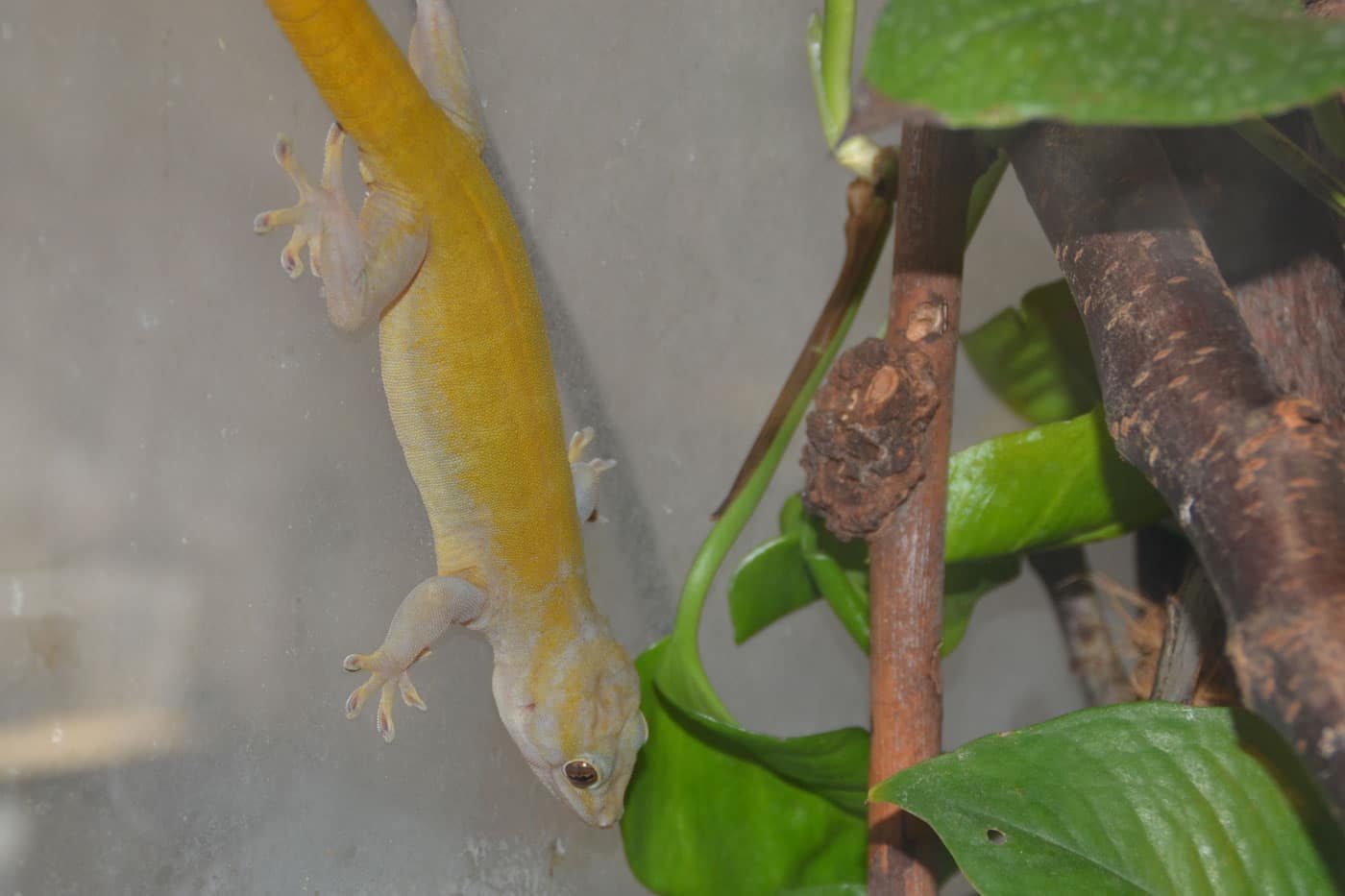
Golden geckos, known as Gekkobadenil, live in the damp tropic rainforests of Vietnam and the North Eastern region of India. The male grows to about 7 to 8 inches and the female to about 5 to 6 inches. Golden geckos dislike people handling them. To a certain extent, they are restless and become easily stressed. If properly dealt with, you can domesticate them. On the contrary, if disturbed they never hesitate to bite. It is possible for the gecko to detach their tail as a defense mechanism as the wriggling tail distracts and confuses the predator, at which time it makes its escape. Golden geckos also display peculiar toe pads, which enable them to journey back and forth on vertical planes. Golden geckos belong to the family of the Gekkonidae, similar to the other geckos. You can find around 2,000 species known to man, living in and around the world. The subdivisions in the family of Gekkonidae are Gekkoninae, Eublepharinae, Dilplodactylinae, Aeluroscalabotinae, and Teratoscincinae. The golden gecko is part of the subdivision Gekkoninae which the experts further classified into a variety of species. They are the largest group situated all over the world.
Anatomy
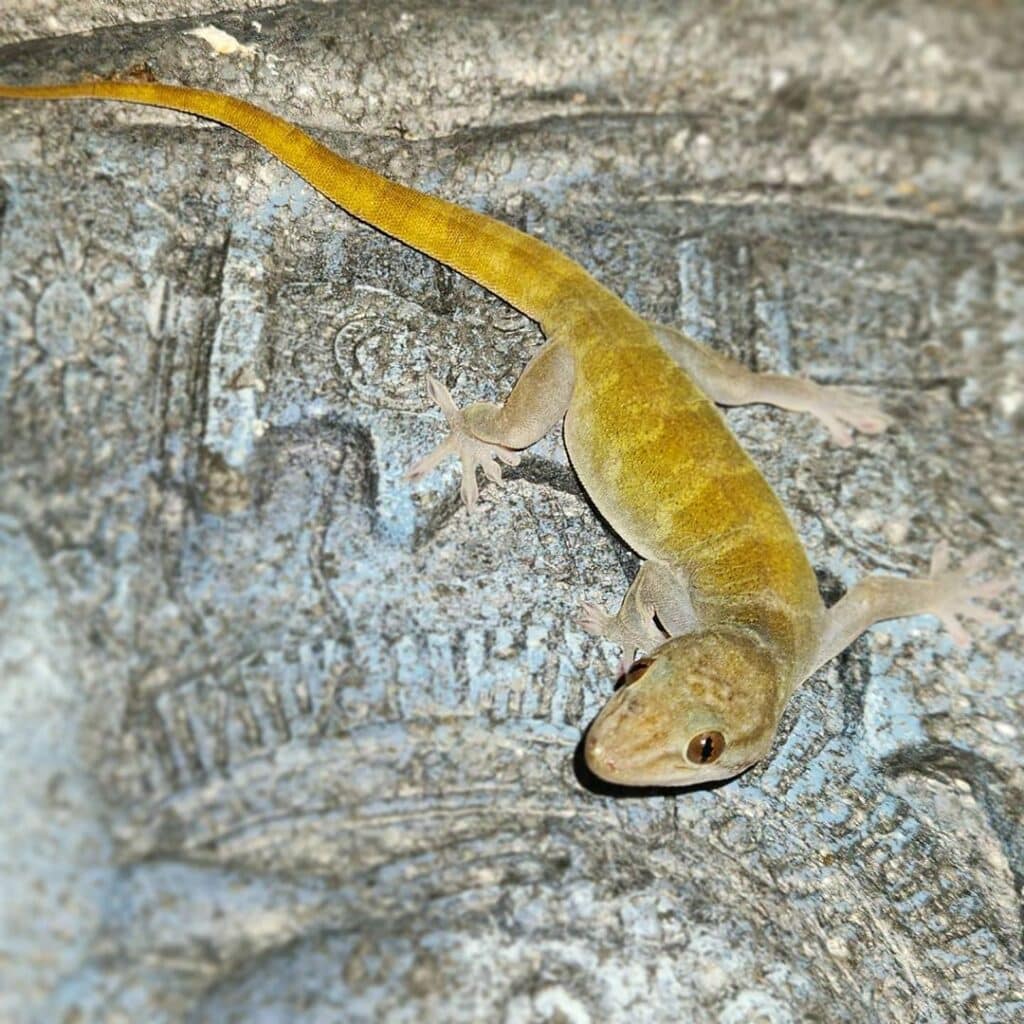
Though the developed male Golden gecko is about 7-8 inches long, the females are slightly smaller. Males are yellow-golden (perhaps with marking) and the females are bright green. The only way to differentiate their sex is the females are not as bright as the male golden geckos. You can see two tiny bumps on the bottom of the tail of the male. The males provoke other golden geckos, and for this reason, you should isolate them.
Feeding
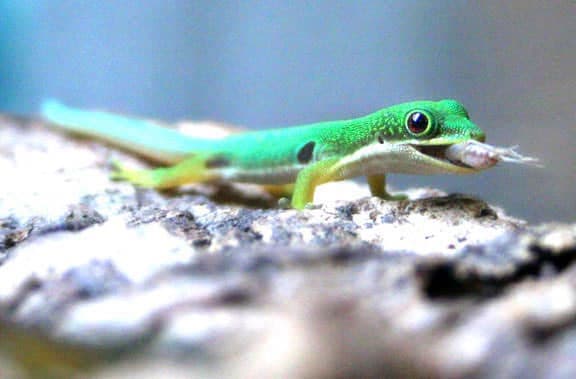
Golden Gecko care requires proper follow up. Feed these geckos with varieties of insect prey. Crickets form the major part of their diet, supplemented with wax worm, butter worms, mealworms, roaches and other insect prey. Before feeding, guts load them and supplement with calcium dust twice or thrice a week and once a week with multivitamin. Feed them only in the evening. Do not feed the adults daily, but the young ones you can feed every day. In order to give them an appetite, some breeders recommend altering the schedule in feeding (For example, feed alternatively, then every two days, then skip a day, and the like).Since the geckos are gluttons, give them enough prey instantly. They often consume fruits. Bananas (slightly smashed), fruits like mangoes or other tropical fruits all sliced thin, pulp of baby food make a good diet for them.
Housing Golden Geckos
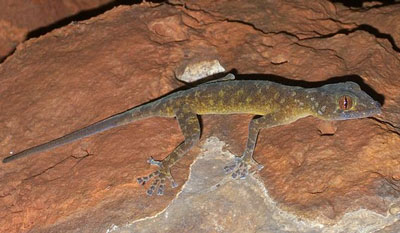
A single golden gecko houses in a 20-gallon tall terrarium. Being active, it is better for you to provide a larger size. Golden geckos require vertical space for climbing. Therefore, use a tall tank. Isolate the male geckos as they are territorial. Any material such as shredded coconut fiber bed that retains moisture is good as substrate. Pure soil is also a good alternative.
Lighting
Golden geckos need no UV lighting they are territorial. Still experts advice to use UV lighting for overall growth.
Humidity
Golden geckos need 60-80 % relative humidity. Humidity is an important factor; measure it with a hygrometer. Misting, if done regularly, will keep up the humidity level.
Breeding
There is not much information about the breeding of the Golden gecko, but they say it is similar to the Tokay Geckos. The breeding habits seem the same, with two eggs (simultaneously). The eggs of the momma Tokay Gecko lie glued and need separation on hatching, failing which they may become prey to their own mother gecko.
Having discovered a fondness for insects while pursuing her degree in Biology, Randi Jones was quite bugged to know that people usually dismissed these little creatures as “creepy-crawlies”.