Blue Tarantula Spider
The Gorgeous Arachnid
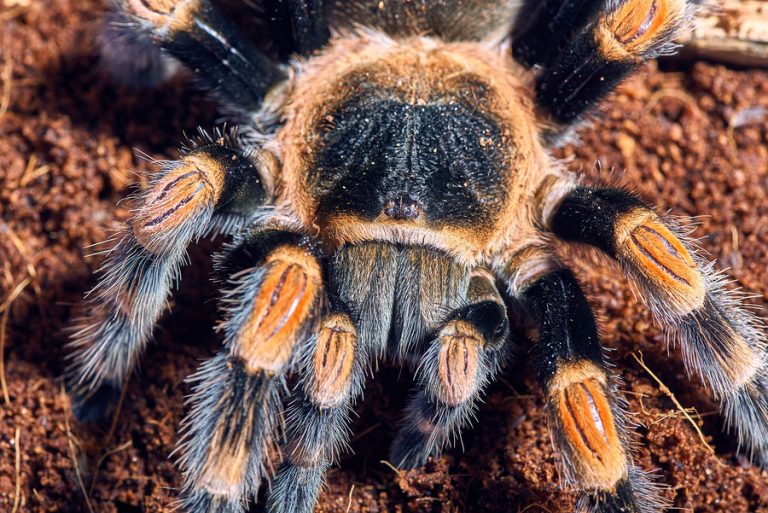
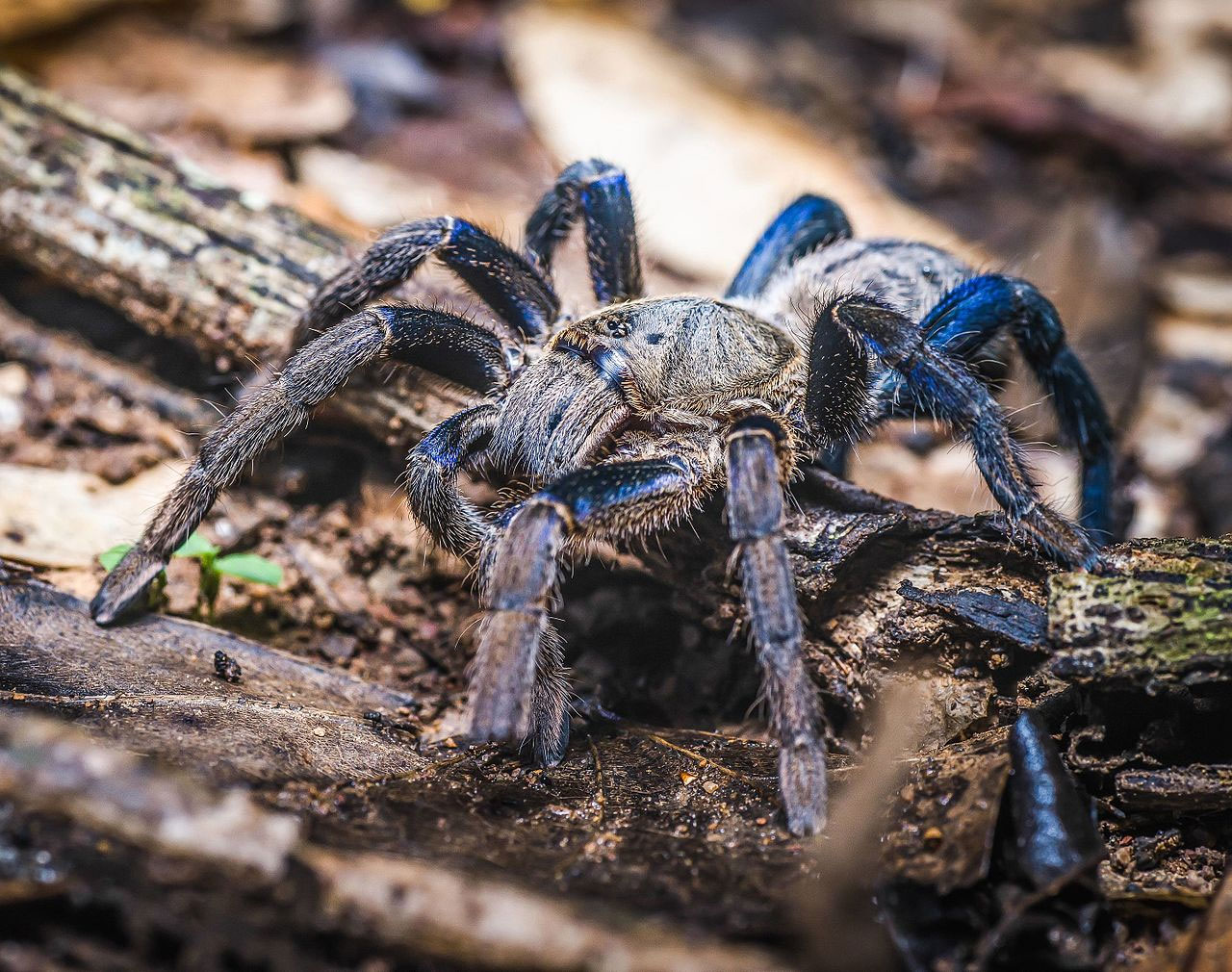
The Cobalt blue tarantula spider, though beautiful to behold, is among the more aggressive of the existing tarantula species. Even though they look black at first sight, a close inspection with specific lighting shows their overall bright blue color. Popular they surely are, but beginners, beware! This variety of tarantula earns its name because of the shining cobalt blue tinge emitted by its limbs. This particular blue tarantula spider inhabits countries of the Orient, including Cambodia, Laos, Vietnam, Thailand, and Myanmar. The biological name for this cobalt blue tarantula spider is Haploid livid um. Despite its eerie and crawling four pairs of hairy legs, it looks attractive, it will not be appropriate to call it gorgeous! Here are some of its other interesting characteristics:
Habitat
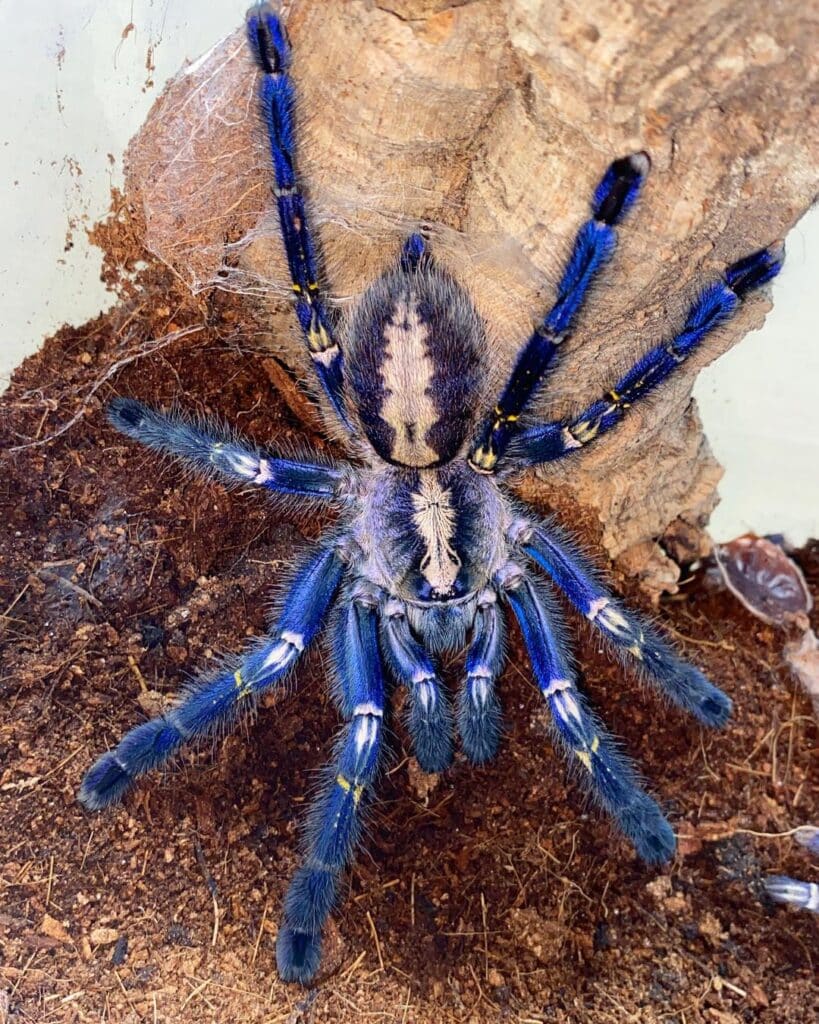
Looks are deceptive at times! Do not get carried away by its tranquil blue color, for the cobalt blue tarantula has a great reputation for being among the most hostile and quick varieties of tarantula. Admire it best at a safe distance, when it is away from you. Generally, these live in a hideaway but they are also known to spin massive webs. They prefer to inhabit humid climates of countries noted above.
Diet
Like most other arachnids, Cobalt blue tarantulas are also meat eaters. Their diet consists of a diverse assortment of small and large insects. But, once kept in confinement as pets, these normally favor crickets for a meal.
An adult cobalt tarantula could be 4-5 inches in length with a leg span of nearly five inches.
Biology/Anatomy
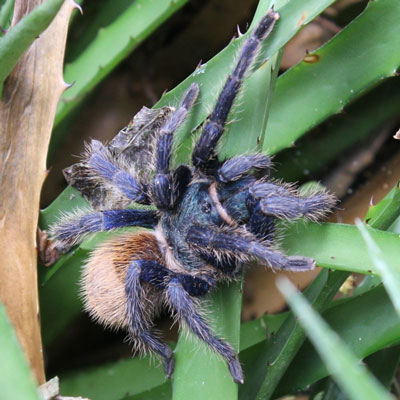
The cobalt blue tarantula is neither too large nor too small, being of an average size, having a leg span of just about five inches. This variety is famous for its sparkling legs in blue color, opisthosoma, and prosoma in light gray color. Females and males have similar looks until the final molt of the latter, when it shows signs of sexual dimorphism by way of light coffee or bronze flush. Moreover, the males would grow mating hooks.
Breeding
While holding in captivity, you need to maintain the temperatures in the range of eighty to ninety degrees Fahrenheit. Males are smaller than and not as attractive as the females, but different varieties may mate together.
Aggressive nature and quick reaction are the two important characteristics of Cobalt blue tarantulas, being prone to getting nervous by the slightest disturbances. If adequate precautions are not taken, they may bite when you least expected them to do.
The cobalt colored tarantula has moderately toxic venom that can cause skin irritation. The victim of the bite will also feel sick for some time.
Captive Breeding
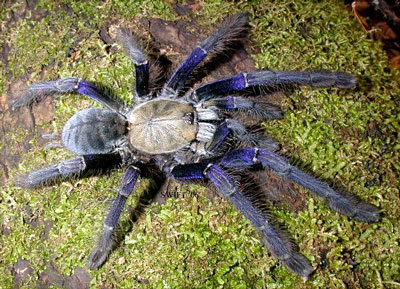
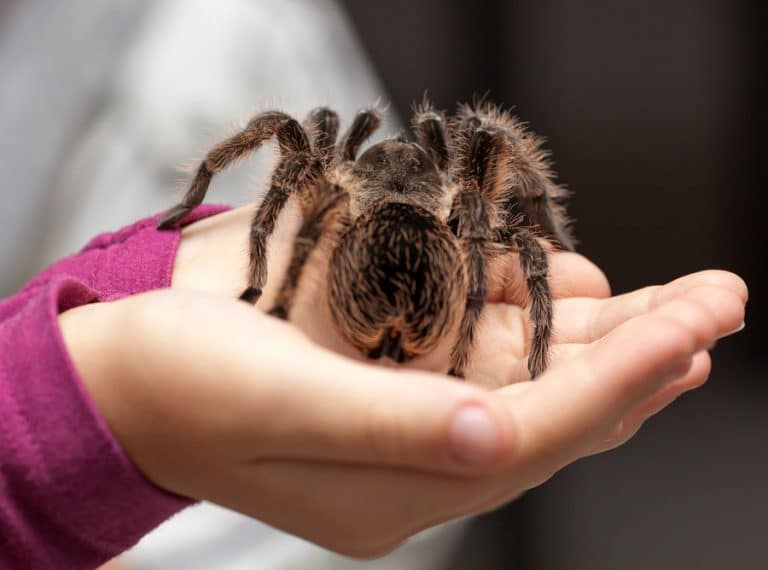
Keeping a Cobalt Hued Blue Tarantula spider as a pet is something you must ponder on very seriously. a proper environment of captivity will need a deep tank with about 10 inches substrate, with a potting or a peat moss soil bedding, to facilitate its burrowing habits. Since these animals are very sensitive, they must have the right temperature and humidity levels. While handling these pets the owners should exercise maximum care to avoid any sudden jerky moments that might aggravate these nervous and agile pets to give you an unsuspecting bite. Cobalt blue tarantulas in captivity require only one or two insects for its singular weekly feed.
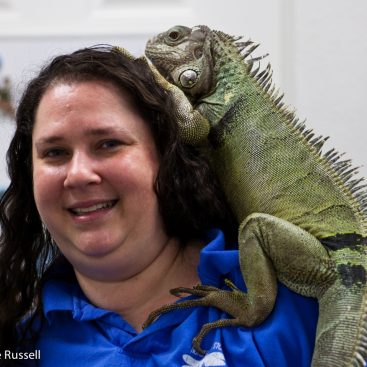
Randi Jones is the owner and founder of the Nature Gift Store, an online retailer specializing in nature-themed gifts, educational science projects, live animal nature kits and real butterfly artwork. A biology graduate who fell in love with insects, she founded the company in 2001 to make active learning about nature fun, accessible and engaging for children and adults. Her store offers real butterfly frames, home and garden decor and educational live animal kits, including ant farms, worm farms, tadpoles, ladybugs and hermit crabs, and she runs a bug museum in Washington featuring live animals like Eddie the Iguana alongside other reptiles and insects.