What People Must Know About Hermann Tortoise

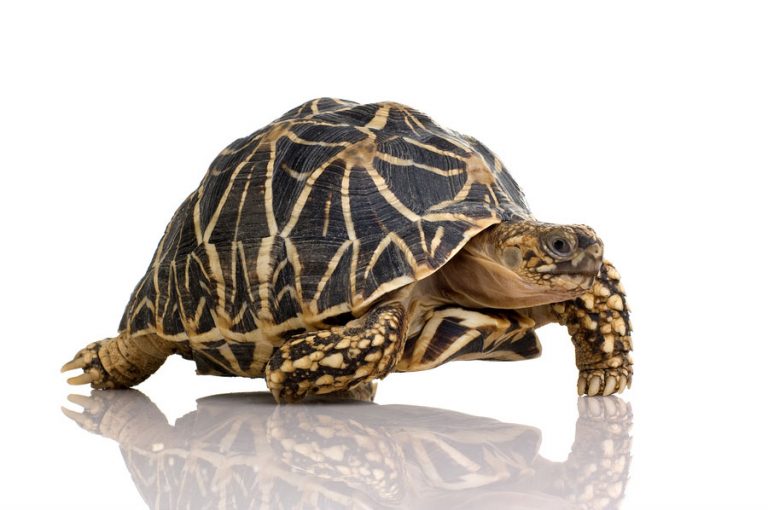
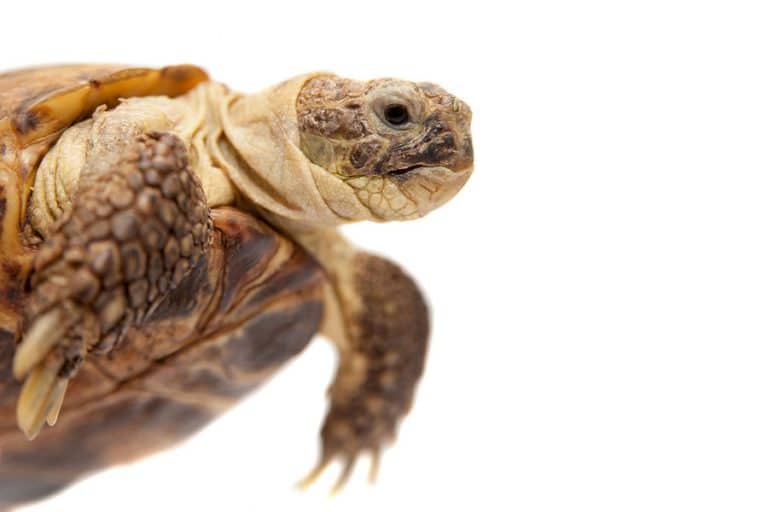
Hermann’s tortoise (Testudo hermanni) is a small tortoise from southern Europe, known for its golden-yellow and black shell. Using the scientific name is a good way to make sure you find accurate care information, because common names can be confusing. It is one of the most popular pet tortoises in Europe, but it still has some special needs you should know about before getting one.
Where Do Hermann’s Tortoises Live?
In the wild, Hermann’s tortoises live around the northern Mediterranean, from eastern Spain and southern France through Italy and its islands to the Balkans and Greece.
They live in Mediterranean woodlands, scrubby hillsides and dry meadows. The summers there are hot and dry, the winters are cool, and the land is full of herbs, grasses and flowering weeds.
There are two main subspecies. The western Hermann’s tortoise is the smaller of the two and is now rare in parts of its range, while the eastern Hermann’s tortoise is larger and more common. The species is protected across much of Europe.
Is a Hermann’s Tortoise Easy to Keep?
Hermann’s tortoises are often recommended for beginners because they are small, hardy and generally do well in captivity when kept correctly. That does not mean they are low-maintenance, though. They need the right space, heat, light and diet, and they can live for 50 years or more.
Hermann’s Tortoise Size and Enclosure
Most adult Hermann’s tortoises are about 5 to 8 inches (13 to 20 cm) long, and females are usually larger than males. Eastern tortoises tend to be bigger than western ones.
Even small tortoises need plenty of room to roam, graze and dig. Where the climate allows, a secure outdoor pen in summer is ideal. Indoors, many keepers use an open-topped tortoise table rather than a glass tank, which can stress tortoises and has poor airflow. Always plan for the adult size, and give as much space as you can.
Try to copy the tortoise’s natural habitat, with a mix of open sunny spots, shady areas and hiding places. A tortoise that is always on show with nowhere to hide can become stressed, and stress often leads to illness.
The substrate (the material on the floor) is important too. A soil mix that holds its shape is a good choice. Avoid fine sand, which can be swallowed and block the gut, and wood shavings that give off strong oils.
Heat and Lighting for Hermann’s Tortoises
Like all reptiles, tortoises are cold-blooded, or ectothermic. They depend on outside warmth to heat their bodies, so they need to bask before they can move, eat and digest properly.
Indoors, you will need a heat lamp above one end of the enclosure to create a warm basking spot, while the other end stays cooler. The tortoise can then move back and forth to choose the temperature it needs.
They also need UVB light, either from natural sunshine or a special reptile UVB lamp. UVB helps them make vitamin D3 and use calcium for their shell and bones. Lights should be on for a natural length of day, roughly 12 to 14 hours in summer.
What Do Hermann’s Tortoises Eat?
Hermann’s tortoises are herbivores. In the wild they eat mostly weeds, flowers, grasses and leaves. A healthy pet diet should be similar: dandelion, clover, plantain, sow thistle, hawkbit and other wild weeds, plus leafy greens like endive and some edible flowers.
Unlike some tropical tortoises, they should eat very little fruit. Too much sugar can upset their gut. A light dusting of calcium powder on food, and a cuttlebone in the enclosure, helps keep bones and shell strong.
Some plants are toxic to tortoises, so check before you plant anything in an outdoor enclosure, and never feed plants that may have been sprayed with chemicals.
Hibernation
In the wild, Hermann’s tortoises hibernate through the cool Mediterranean winter. Many pet tortoises hibernate too, but it has to be done safely: only healthy tortoises should hibernate, at the right steady cool temperature. Talk to a reptile vet before your tortoise’s first winter to plan the best approach.

Randi Jones is the owner and founder of the Nature Gift Store, an online retailer specializing in nature-themed gifts, educational science projects, live animal nature kits and real butterfly artwork. A biology graduate who fell in love with insects, she founded the company in 2001 to make active learning about nature fun, accessible and engaging for children and adults. Her store offers real butterfly frames, home and garden decor and educational live animal kits, including ant farms, worm farms, tadpoles, ladybugs and hermit crabs, and she runs a bug museum in Washington featuring live animals like Eddie the Iguana alongside other reptiles and insects.