The Importance of Tortoise Enclosure

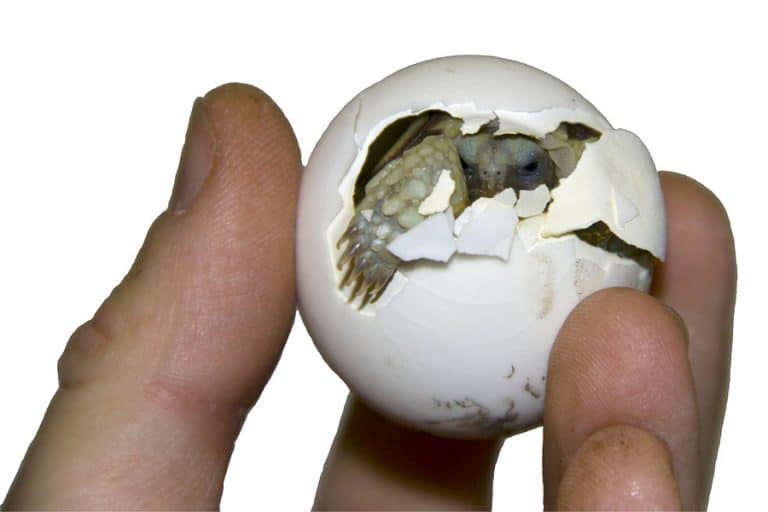
A tortoise enclosure is the pen, table or garden area where a pet tortoise lives, and it is one of the most important parts of keeping a tortoise healthy. Because tortoises can live for decades, it pays to plan the right home before you bring one back from the breeder or rescue.
Research Before Building a Tortoise Enclosure
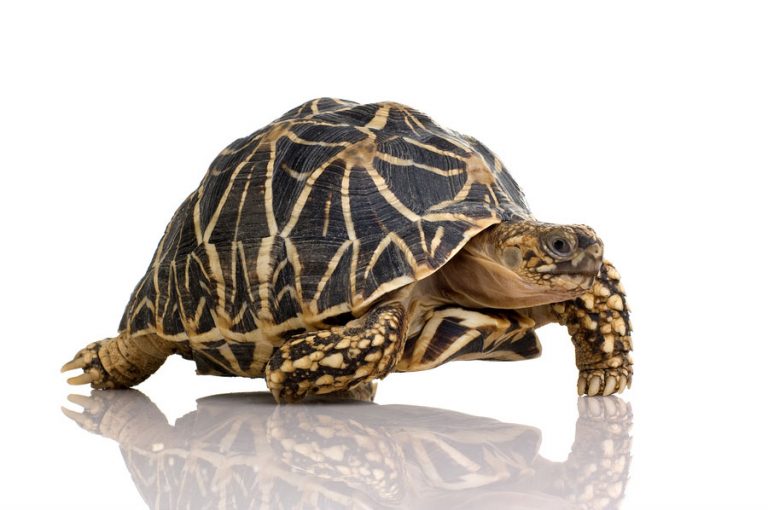
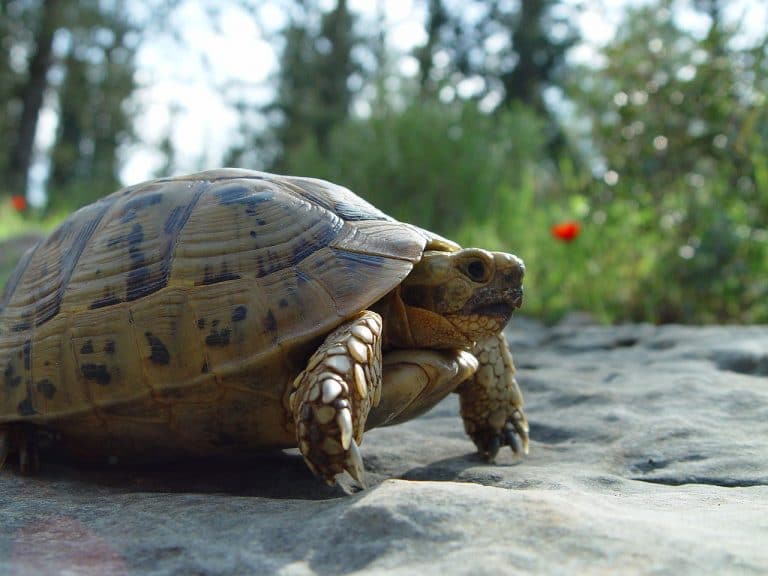
Different tortoise species come from very different places, from dry Mediterranean hillsides to humid South American forests. The right enclosure copies the natural habitat of your particular species as closely as possible.
Before you build or buy anything, read up on your species using trustworthy sources, such as reptile vets, rescue groups and experienced keeper clubs. Sadly, many care sheets online are out of date or contradict each other, so check more than one.
Think About Who Shares Your Home
A tortoise’s shell is tough, but it is not armor against everything. Dogs can chew tortoises, cats may scratch or chase small ones, and a toddler might drop or squeeze a hatchling. Rats, foxes and birds of prey can be a danger to tortoises kept outdoors.
Plan an enclosure that keeps other animals out and gives your tortoise a calm, safe place to live. Always supervise young children around a tortoise, and teach everyone to wash their hands after handling it, because reptiles can carry Salmonella germs.
Choosing a Tortoise Species by Size
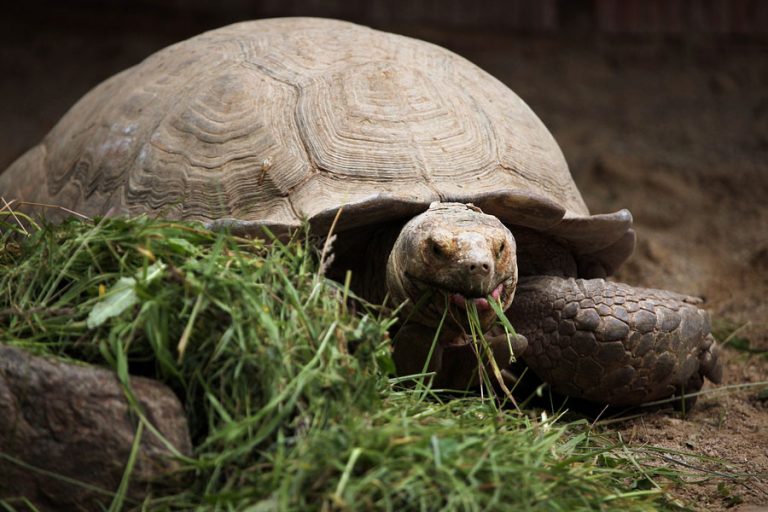
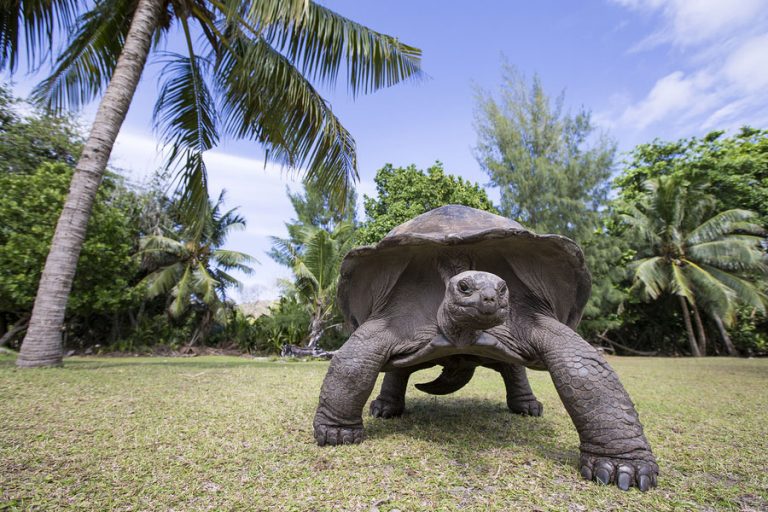
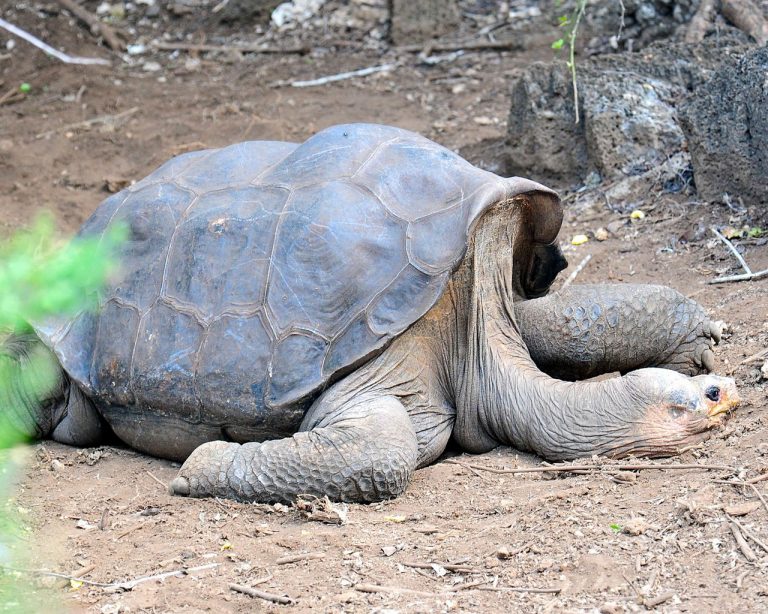
The size your tortoise will reach as an adult makes a huge difference to the enclosure it needs. A small Russian or Hermann’s tortoise might grow to about 6 to 8 inches long, while an African sulcata can grow to well over 2 feet and need a large, strongly fenced yard.
It is easy to fall in love with a cute hatchling, but always plan for the adult size. Many large tortoises end up in rescue centers because their owners were not ready for how big they became.
Indoor or Outdoor?
Where the weather allows, an outdoor enclosure in natural sunlight is ideal for many species. It should have secure walls that the tortoise cannot climb, and fencing that goes into the ground, because tortoises are good diggers. A covered shelter keeps out rain and cold at night.
If you plan an outdoor pen, check every plant in it. Many ornamental garden plants are poisonous to tortoises, and lawns treated with weed killer or slug pellets can be deadly.
Indoors, many keepers use an open-topped tortoise table: a large, shallow wooden box. Indoor tortoises need a heat lamp to create a warm basking spot and a UVB reptile lamp to help them use calcium and stay healthy.
Tortoise Enclosure Space and Hiding Areas
Tortoises are more active than many people expect. They need room to walk, explore, graze and dig. A small rabbit hutch or a little plastic tub is simply not big enough, and a cramped tortoise can become stressed and ill. As a rule, give your tortoise as much space as you can.
Every tortoise also needs places to hide, such as a wooden shelter, a half log or dense plants. Hiding helps it feel safe and gives it a cool, shady spot when the basking area gets too warm.
Why Glass Tanks Are a Poor Choice
Glass aquariums and vivariums are popular for many reptiles, but they are usually a poor choice for tortoises. Tortoises do not understand glass and may keep walking into it, which can stress them. Glass tanks also tend to have poor airflow and are usually too small.
The main reason people choose glass is to get a clear view of their pet, but your tortoise’s health should come first. An open tortoise table or a spacious pen is a much better home.
Your Enclosure Checklist
- Enough space for the adult size of your species
- Secure walls and dig-proof fencing
- A warm basking spot and a cooler shady area
- UVB lighting or natural sunshine
- A safe substrate suited to your species, such as a soil mix (avoid fine sand and cedar shavings)
- Hiding places and a shallow water dish
- No toxic plants, chemicals or dangerous pets
Planning ahead is the best thing you can do for a tortoise. Learn about your species, copy its natural habitat as closely as you can, and you could enjoy a healthy companion for many years to come.

Randi Jones is the owner and founder of the Nature Gift Store, an online retailer specializing in nature-themed gifts, educational science projects, live animal nature kits and real butterfly artwork. A biology graduate who fell in love with insects, she founded the company in 2001 to make active learning about nature fun, accessible and engaging for children and adults. Her store offers real butterfly frames, home and garden decor and educational live animal kits, including ant farms, worm farms, tadpoles, ladybugs and hermit crabs, and she runs a bug museum in Washington featuring live animals like Eddie the Iguana alongside other reptiles and insects.