Fun Facts About Galapagos Tortoises
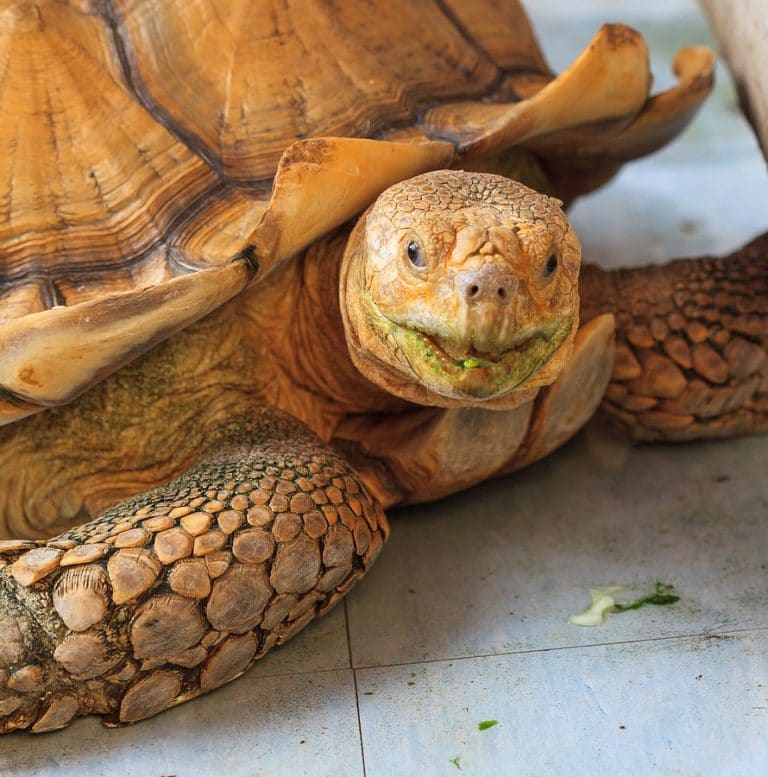
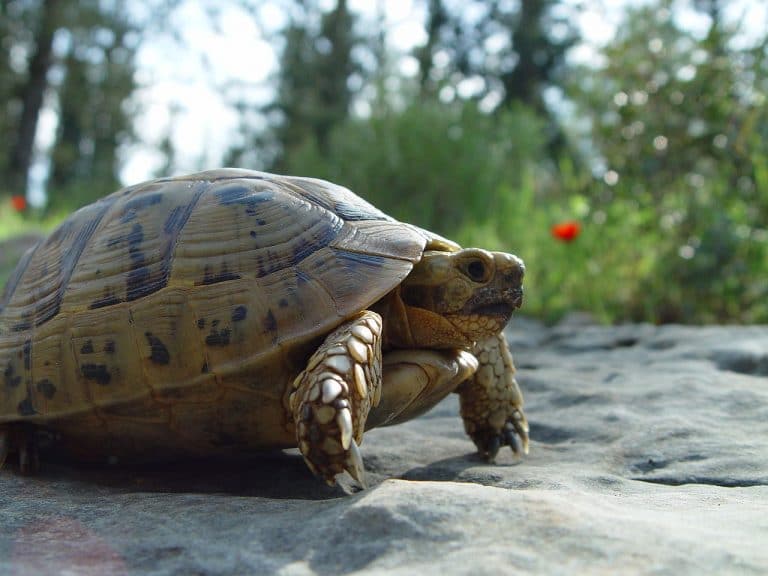
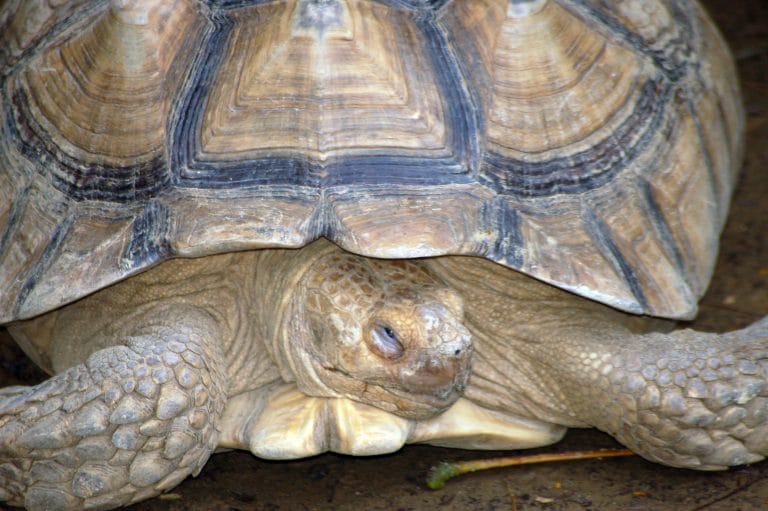
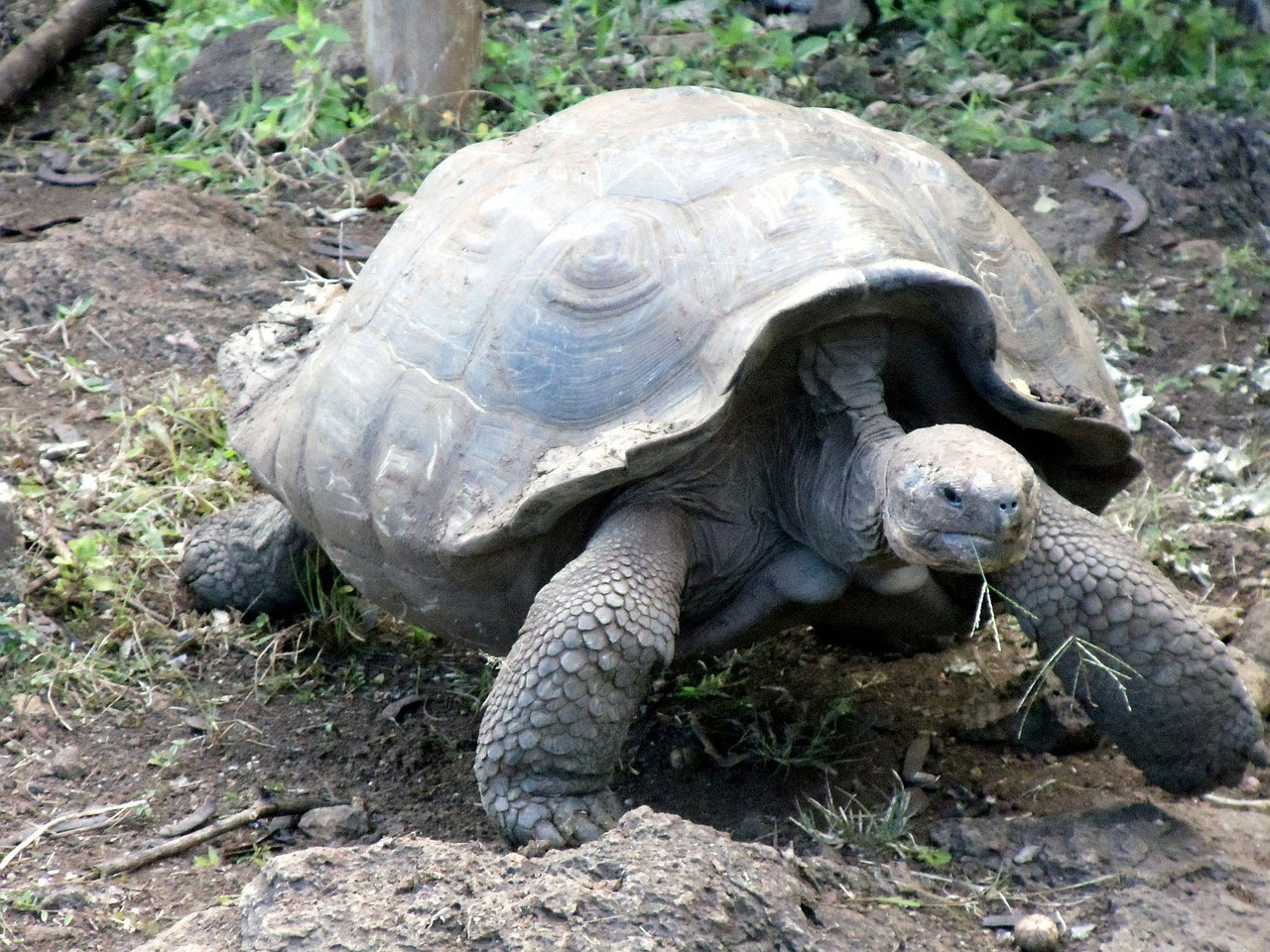
A soft giant, the uncommon and vulnerable Galapagos Tortoise would be the largest variety on the planet. Expanding more than four feet long and weighing approximately 500 lbs, these massive vertebrates come with an impressive life-span. The oldest was stated to have lived for 152 years. An additional fascinating reality about this specific species is the fact that they continue expanding for 30 to 40 years prior to the attainment of their adult size.
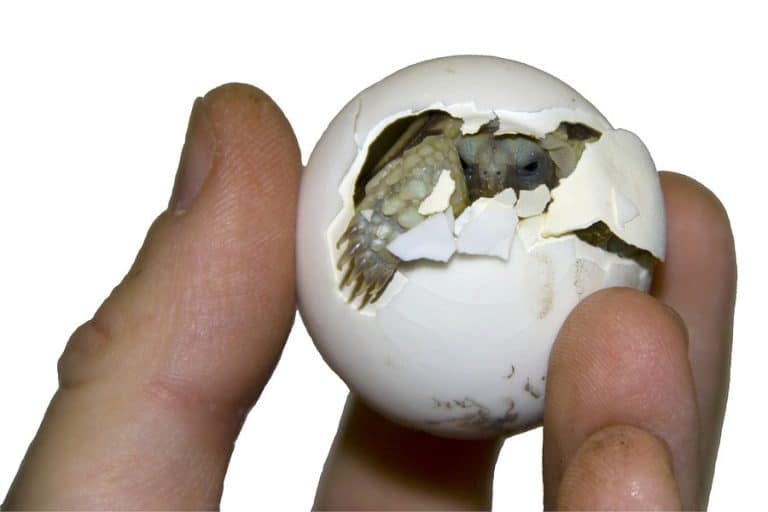
These days you will find thousands of turtle varieties left within the wild. Harmless victims of poachers, these types are also captured and killed by ocean adventurers and pirates for meat. An additional reason for the diminishing population may be attributed to the introduction of new mammal species around the islands like pigs, dogs, as well as goat, that consume tortoise eggs, or perhaps feed off exactly the same crops as tortoises do, therefore causing shortage.
The population has come close to endangerment. Presently 11 of the 15 turtle subspecies can only be found within the Galapagos Islands these days. And whilst study indicates a probability of only 13 subspecies, numerous scientists think that there had been 15 species as a whole.
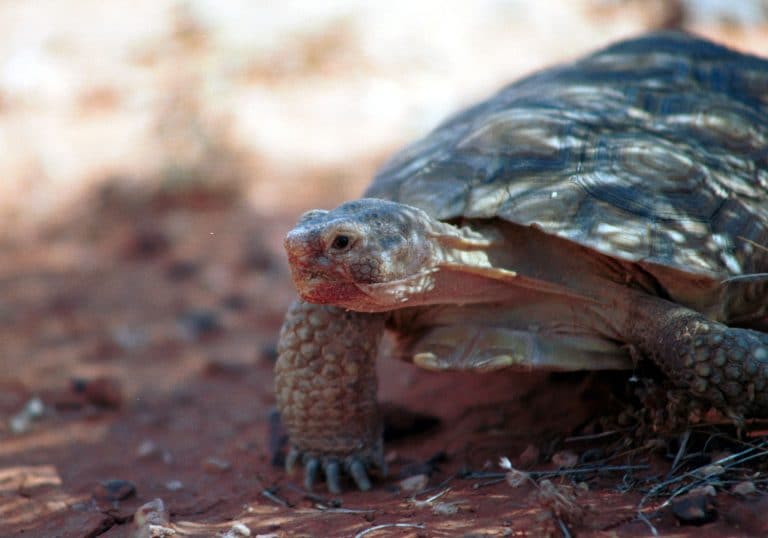
While you will find various subspecies of the turtles, you will find also various kinds, classified by their color, sizes, and the form of shells.
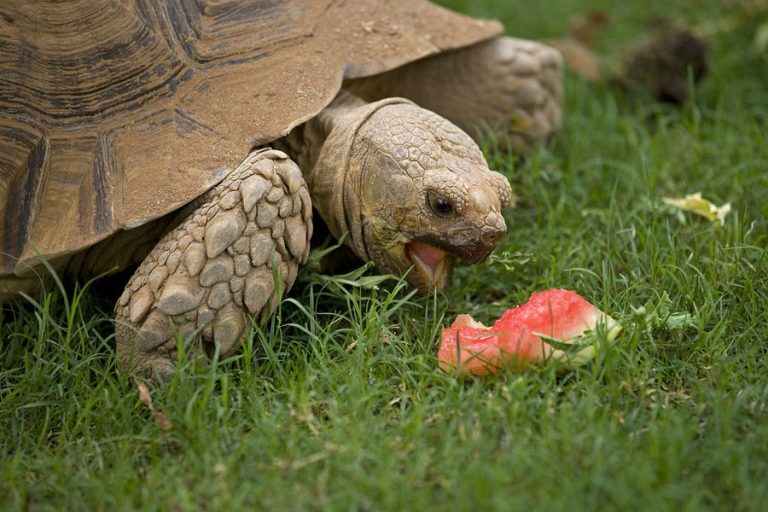
Living on the diet plan of fruits, cactus, grasses, and vegetables, Galapagos Tortoises tend to be herbivores. They’re in a position to store water and meals within their bodies, allowing them to reside for as much as a year prior to consuming all over again. Galapagos are mainly discovered in elevated locations where the humidity is actually greater and with grassy areas, but numerous subspecies also reside on dry warmer islands where grass is rare. Playful naturally, these cold-blooded pets invest a lot of their day basking in the sun, while at evening they rest half immersed either in mud or water in order to remain warm.
Having discovered a fondness for insects while pursuing her degree in Biology, Randi Jones was quite bugged to know that people usually dismissed these little creatures as “creepy-crawlies”.