Finding Sulcata Tortoise for Sale
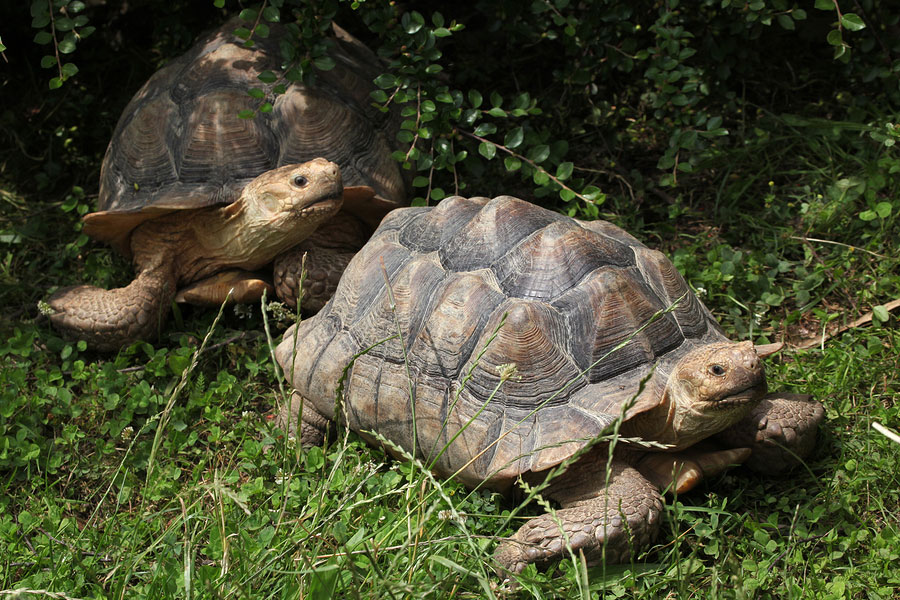
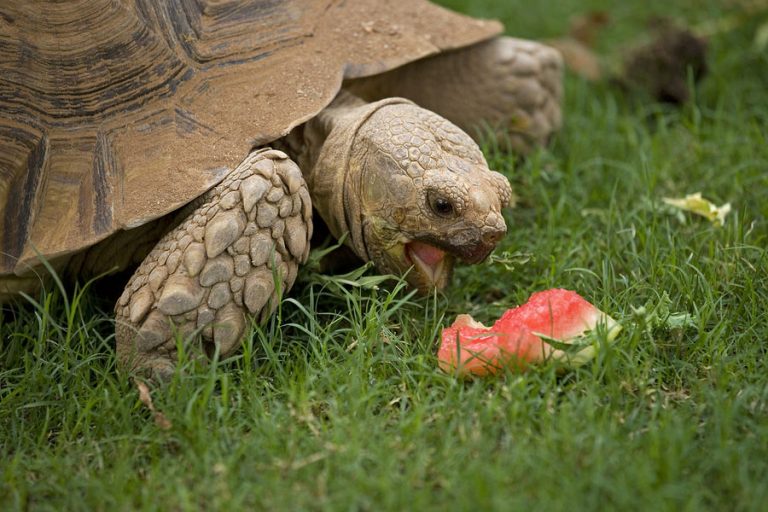
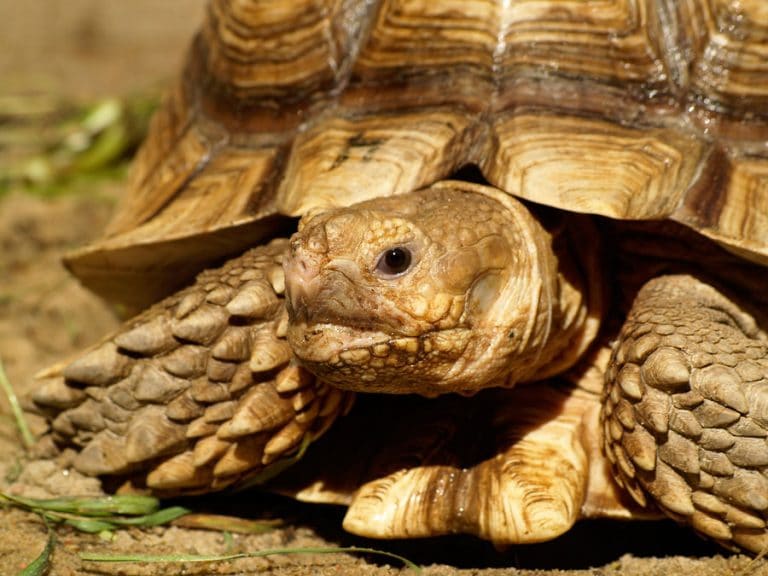
The sulcata tortoise, also called the African spurred tortoise, is one of the biggest tortoises in the world, and baby sulcatas are often offered for sale as pets. Before you buy one, it pays to find a good breeder, because a healthy start makes a huge difference to a tortoise that may live for many decades.
Think Big Before You Buy
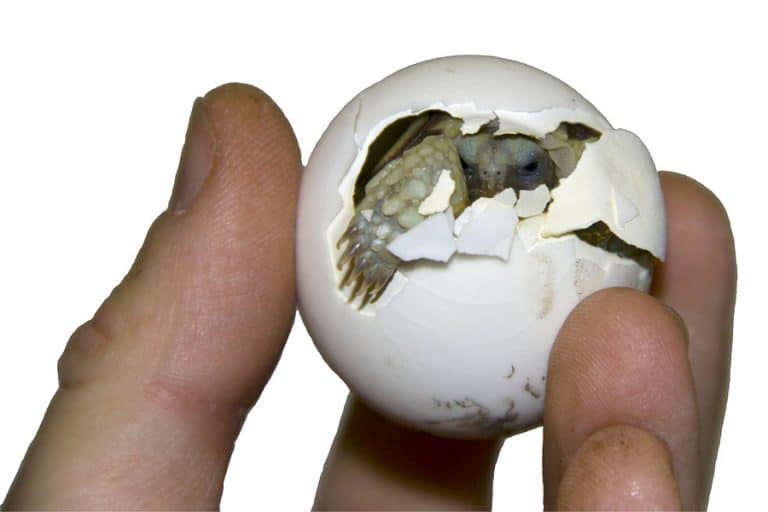
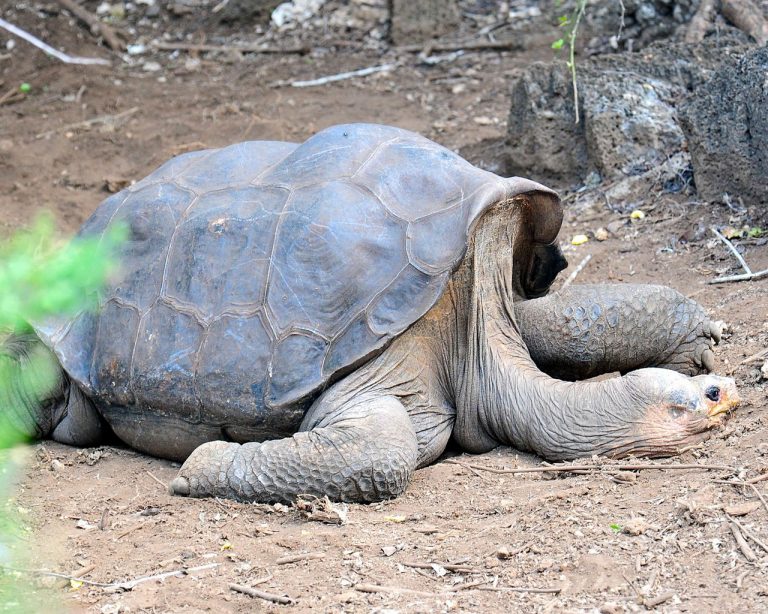
A hatchling sulcata can fit in the palm of your hand, but it will not stay small for long. Adults commonly reach about 24 to 30 inches (60 to 75 cm) in shell length and can weigh well over 70 pounds (32 kg). Large males can grow even heavier.
Sulcatas also live a very long time. Many live for more than 50 years, and some reach 70 years or more. That means a tortoise bought by a family today could outlive the adults who bought it. Talk about this as a family before you start shopping.
Because of their size, adult sulcatas need a large, secure outdoor yard with warm weather, plus a heated shelter for cool nights. They are strong diggers and bulldozers, so fences need to be sturdy. If you cannot offer that kind of space in the future, a smaller species may be a better choice.
Choose Captive-Bred Tortoises
Look for a breeder who sells captive-bred sulcatas. Captive-bred tortoises are usually healthier, carry fewer parasites, and do not take animals away from wild populations. In the wild, sulcatas live along the southern edge of the Sahara Desert, and they are a protected species.
It is also wise to check the laws where you live. Some countries, states and cities have rules about selling or keeping tortoises, including rules about very small turtles and tortoises. A responsible seller will know these rules and follow them.
Checking a Sulcata Tortoise Breeder’s Facilities
The first thing to look at is where the breeder keeps their tortoises. Enclosures for adults, breeding animals and hatchlings should be clean, dry where they should be dry, and well cared for. Messy pens, bad smells or old food lying around are warning signs.
The space should also suit the age and size of each animal. Adult sulcatas need room to roam, graze and dig. Hatchlings need enough room to explore, with a warm basking spot, a cooler area, a hiding place and a shallow water dish they can easily climb out of.
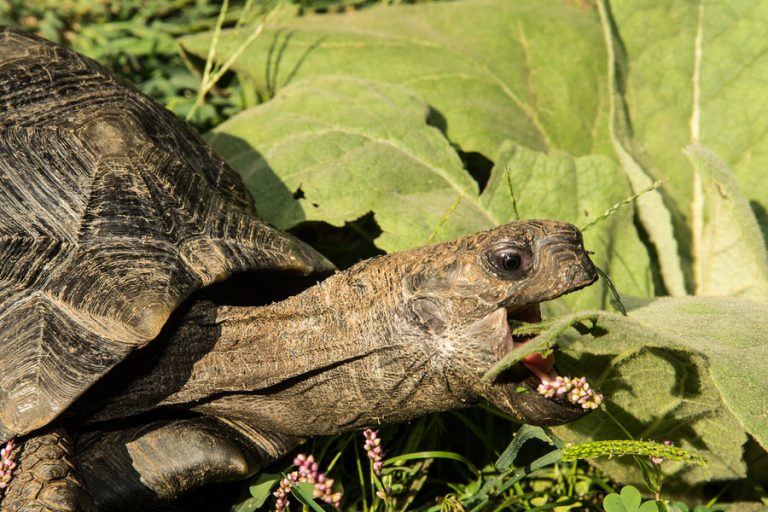
Ask what the tortoises are fed. A good sulcata diet is mostly grasses, hay and leafy weeds, with very little fruit and no meat or dog food. Ask about lighting, too: indoor sulcatas need UVB light so their bodies can use calcium and build a strong shell. A breeder who skimps on space, diet or lighting may cut corners in other ways as well.
Signs of a Healthy Baby Sulcata
When you meet a hatchling, look closely. A healthy baby sulcata usually has:
- Clear, bright eyes with no swelling or crust
- A clean nose with no bubbles or runny discharge
- A firm, smooth shell without soft spots or lumpy, pointed scutes
- A body that feels solid and heavy for its size
- An alert, active attitude and a good appetite
Avoid tortoises that seem sleepy, weak, wheezy or uninterested in food. If you can, ask to see the tortoise eat before you take it home.
Breeder Specialization and Experience
Some breeders work with just one or two kinds of tortoise, while others sell many reptiles. Either can be fine, as long as each species gets care that fits its needs. Desert tortoises like sulcatas need warm, dry conditions, while many turtles need deep, clean water. A breeder should be able to explain the difference clearly.
Good breeders are happy to answer questions. Ask how long they have been breeding sulcatas, how old the hatchling is, what it eats, and what temperatures it has been kept at. Clear, confident answers are a good sign.
Breeder Support After the Sale
The best breeders stay in touch after you bring your tortoise home. If you have a question about feeding, housing or health, you should be able to contact them for advice. Many will also share details about the hatchling’s parents and how it has been raised.
Once you get your new tortoise home, book a check-up with a vet who treats reptiles. The vet can look for parasites and give advice on diet and setup.
Stay Safe and Clean
Like all reptiles, tortoises can carry Salmonella bacteria without looking sick. Always wash your hands with soap and water after touching a tortoise, its food or anything in its enclosure. Young children under 5 should not handle reptiles, and older kids should be supervised. With the right breeder, a good setup and careful hygiene, a sulcata can be a fascinating companion for many years.

Randi Jones is the owner and founder of the Nature Gift Store, an online retailer specializing in nature-themed gifts, educational science projects, live animal nature kits and real butterfly artwork. A biology graduate who fell in love with insects, she founded the company in 2001 to make active learning about nature fun, accessible and engaging for children and adults. Her store offers real butterfly frames, home and garden decor and educational live animal kits, including ant farms, worm farms, tadpoles, ladybugs and hermit crabs, and she runs a bug museum in Washington featuring live animals like Eddie the Iguana alongside other reptiles and insects.