Spearmint

Scientific Classification & Quick Facts
| Common name | Spearmint |
| Scientific name | Mentha spicata |
| Kingdom | Plantae |
| Phylum | Tracheophyta |
| Class | Magnoliopsida |
| Order | Lamiales |
| Family | Lamiaceae |
| Genus | Mentha |
| Conservation status | Least Concern |
| Type | Herbaceous perennial mint |
| Habitat | Moist, fertile soil; sun or partial shade |
| Native range | Europe and Asia, including the Mediterranean |
| Colours | White or pink flowers |
| Height | 30–100 cm |
| Edible parts | Leaves |
| Special feature | Spreads aggressively; less menthol than other mints |
The Spearmint plant is a species of mint. It is a herbaceous perennial plant of the Mediterranean region belonging to the genus Mentha and the family Lamiaceae. It has the pleasant smell of mint. This herb is used in medicines. It is cultivated for its Carminative and Aromatic oil. Spearmint has antioxidant, anti-androgenic, and anti-fungal properties. The term “mint” refers to Spearmint and peppermint. Leaves and oil of the Spearmint herbs are used in medicinal preparations. Spearmint is also known as Garden Mint, Curled Mint, Green Mint, and Lamb Mint. Its herb parts are rich in minerals, calcium, potassium, iron, and manganese.
History
Since Roman times, the Spearmint herb is found in the European cuisine. In the 1600’s it was introduced by the earliest immigrants to North America. At that time it was used to treat and prevent scurvy because of its high vitamin C content.
Anatomy
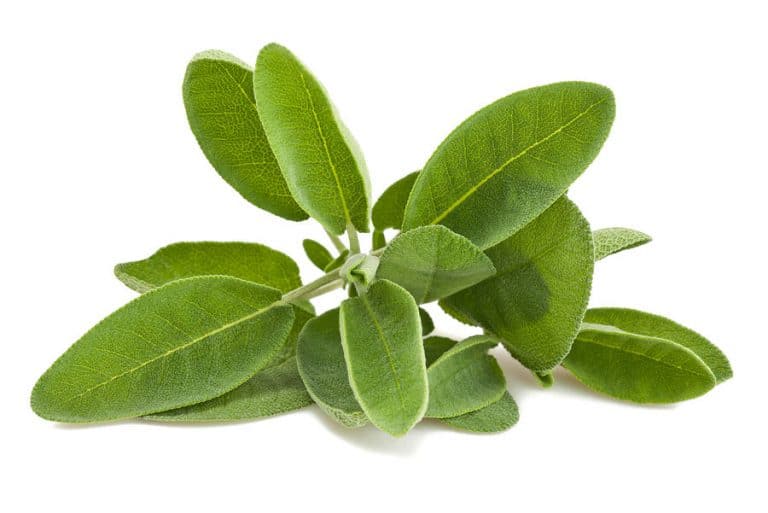
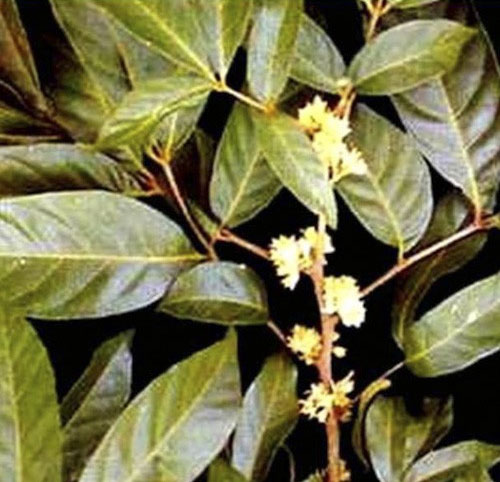
The spearmint plant grows 30 to 100 cm tall in size. Its leaves are 5 to 9 cm long and 1.5 to 3 cm broad and deep green in color. Leaf tips are pointed. Its flowers are slender spikes. The flowers are white or pink in color and 2.5 to 3 mm long and wide. These flowers are small and are arranged in clusters. The stems of Spearmint plant are hairless to hairy. This stem is square shaped.
Habitat
Spearmint is native to Europe and Asia, including the Himalayas, China and the Middle East. It is found naturally in South and North America and Western and Northern Africa and also in the Oceanic islands. Spearmint is widely distributed in the temperate regions of the Old World and throughout the subtropical and temperate areas of the world.
Soil for Planting
The spearmint plant grows in the fertile and loose soil. It grows well in the moist, well drained and rich soil with a PH of 6.5 to 7.
Planting
As a garden herb, the Spearmint plant can be grown in pots at home. As a field crop it is cultivated at large scale for the purpose of its essential oil. It is easy to plant Spearmint. Planting by the sowing of seeds is a bit difficult. It requires good moisture until germination. Usually people opt for the cutting method to propagate Spearmint. Before planting, the cutting from the mint plant should be placed in a glass of water to develop roots for about 2 weeks. If acquiring from a nursery, then it will be already with roots. The best time to plant is in the fall or spring in the regions where there is no frost climate. The plant growing in the pot will help to control its aggressive growth. So to plant a single seedling, choose a 12 to 16 inch wide pot along with potting soil, which should be added with polymer to retain moisture content in the soil. Then the seedling should be planted 5 cm deep into the soil and 15 cm part if more than one plant is cultivated in the same pot. Make sure to place the pot in a sunny location where the plant can receive full sun especially in the morning time and partial shade in the afternoon time. Even the soil should be moist and wet for the healthy growth of Spearmint.
Watering
Spearmint requires watering regularly. During the growing season moisture is essential for good growth of the plant.
Temperature and Humidity
The spearmint plant grows well in all temperate climates. It prefers partial shade, but full sunlight is also ideal for it.
Flowering and Maturing Care
Care of Spearmint plant is easy. It requires annual mulching for moisture and to keep the roots cool. Potted plant requires fertilizers. Water is the main factor in the growth of Spearmint, hence, the water content should be regularly checked by hand, and provided adequately especially in the first year. The soil should be moist but not soggy, so always take care while watering. Pruning regularly will encourage growth of leaves on the sides, and thus the plant will turn bushy, which renders it easier for harvesting. Pluck off the flower bud before it blooms. This will help the plant to grow in control and it can also help to extend the period of harvesting the leaves. The plant will grow big within 2 to 3 years and will not fit in the container; hence it should be spilt and planted in separate pots which will help to maintain the flavor and the growth for a longer period.
Harvest
The leaves of Spearmint plant are harvested from the end of the spring till the beginning of the autumn. The leaves are harvested just before the flowering. Only 1/3rd of the leaves should be harvested at a time and it should be allowed to grow before the next harvest. For drying the herb, the stem bundles should be hanged upside down in a ventilated room or can also be spread on a tray. The leaves will be dried when the stems turn brittle, from which, the leaves should be separated and stored in an airtight container.
Pests and Pesticides
The Spearmint plant is affected by many pests such as Aphids, spider mites, root borers, flea beetle, root weevils and cut worms. It is prone to leaf spot, rust, stem canker, powdery mildew and anthracnose.
Dosage
The dosage of the Spearmint can be prescribed only by considering certain factors like age, health and weight of the patient. Hence, clinically approved dosage of Spearmint is not yet clear. Still, the Spearmint is considered safe and any harmful side effects have not been recorded yet. Using it 3 times a day in small quantity will be adequate. Drinking a mint tea everyday is considered safe, but pregnant ladies and feeding mothers should not use this herb for any medicinal purposes without seeking medical advice.
Side Effects
Spearmint is a miraculous herb used for treating a wide variety of ailments. There is no much serious side effect reported with the excess usage of Spearmint. As it contains a low amount of menthol compared to the other mints, it is safe to use.
Uses
A tea is made from the leaves of the Spearmint plant and it is traditionally used for hirsutism in women. The oil of Spearmint is used in flavoring in liqueur, candy, gum and dentifrices (Like Toothpaste). It is also used in scents. The leaves of Spearmint can be used dried, fresh or frozen. As a flavoring agent it is also used in foods. It is traditionally used for colds, headaches, sore throats, toothaches and cramps. It is traditionally used for digestive problems such as gas, indigestion, nausea, diarrhea, gallbladder swelling and irritable bowel syndrome. It is also traditionally applied directly to the skin for arthritis, swelling in the mouth and nerve pain. Its leaves are used in the making of mint sauce. It is also used to flavor ice cream, jelly, jams and cakes.
Spearmint FAQs
What is spearmint used for?
Spearmint leaves are used fresh, dried or frozen to make tea and mint sauce. Spearmint oil flavours gum, candy, ice cream, toothpaste and perfume.
How tall does spearmint grow?
Spearmint grows 30 to 100 centimetres tall. It has square stems and deep green, pointed leaves 5 to 9 centimetres long.
How do you grow spearmint from a cutting?
Put a cutting in a glass of water for about two weeks until it grows roots. Then plant it in moist soil about 5 centimetres deep.
Why should spearmint be grown in a pot?
Spearmint spreads aggressively. A pot keeps it under control, and you can divide it into separate pots after 2 to 3 years.
When do you harvest spearmint?
Pick leaves from late spring to early autumn, just before the plant flowers. Take only about a third of the leaves at a time.

Randi Jones is the owner and founder of the Nature Gift Store, an online retailer specializing in nature-themed gifts, educational science projects, live animal nature kits and real butterfly artwork. A biology graduate who fell in love with insects, she founded the company in 2001 to make active learning about nature fun, accessible and engaging for children and adults. Her store offers real butterfly frames, home and garden decor and educational live animal kits, including ant farms, worm farms, tadpoles, ladybugs and hermit crabs, and she runs a bug museum in Washington featuring live animals like Eddie the Iguana alongside other reptiles and insects.