Pepper Peppermint

Peppermint (Mentha × piperita) is a fragrant herb with a cool, fresh taste, used in teas, sweets and toothpaste around the world. It is a hybrid, a natural cross between watermint and spearmint, and despite its name it has nothing to do with pepper plants.
Quick Facts
| Common name | Peppermint |
| Scientific name | Mentha × piperita |
| Type | Perennial hybrid mint |
| Habitat | Moist places, ditches and streams |
| Native range | Middle East and Europe |
| Colours | Purple flowers; deep green leaves, reddish veins |
| Height | 30–90 cm |
| Special feature | Sterile hybrid of spearmint and water mint |
What Is Peppermint?
Peppermint is one of many plants in the genus Mentha, the mint family’s best-known group. Its relatives include spearmint, watermint and apple mint, and its wider family, the Lamiaceae, also includes basil, lavender and rosemary.
The “pepper” in its name comes from its strong, almost peppery bite, and the “×” in its scientific name shows that it is a hybrid. Peppermint originally grew wild in Europe and the Middle East, and today it is grown on farms and in gardens all over the world.
History
People have used mints for thousands of years. The ancient Egyptians, Greeks and Romans used mint leaves for flavoring food and scenting rooms. Peppermint itself was first described as a separate plant in England in the late 1600s. In the 1700s it was being grown in England for its oil, and from there it spread to other countries, including the United States, which is now one of the world’s biggest growers.
Anatomy
Peppermint is a perennial herb, which means it comes back year after year. It usually grows 30 to 90 cm (1 to 3 feet) tall. Like all mints, it has square stems, which you can feel if you roll one between your fingers. The stems are often purplish.
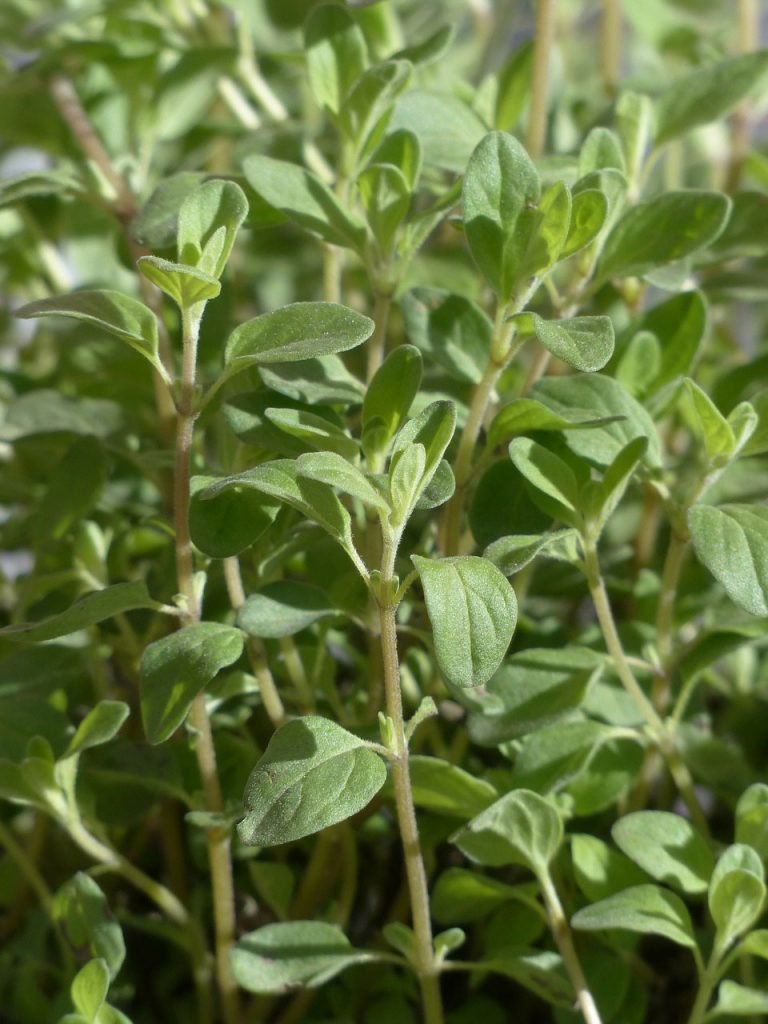
Its dark green, toothed leaves are about 4 to 9 cm (1.5 to 3.5 inches) long and grow in pairs on opposite sides of the stem. In summer, it produces spikes of small purple or pink flowers. Underground, it spreads by fleshy runners called rhizomes, which send up new shoots.
The leaves contain tiny oil glands full of menthol. Menthol is what gives peppermint its cooling feeling, because it tricks the cold-sensing nerves in your mouth and skin.
Habitat
In the wild, peppermint grows in damp places, such as stream banks, ditches and wet meadows. Because it is a hybrid, it rarely produces seeds that grow. Instead, it spreads by its creeping rhizomes and by pieces of stem that take root. In some places, peppermint escaped from farms and gardens and now grows wild, where it can spread quickly.
Growing Peppermint
Soil and Position
Peppermint grows best in moist, fairly rich soil that drains well, with a pH of about 6 to 7. It likes full sun or light shade. It is a tough plant and will grow in most garden soils.
Planting
Since peppermint seeds don’t grow true, the best way to start is with a young plant, a rooted cutting or a piece of root (rhizome) from another plant. You can even root a stem cutting in a glass of water on a windowsill.
Peppermint spreads very fast and can take over a garden bed. Many gardeners grow it in a pot, or plant it in the ground inside a large bottomless bucket, to stop the roots from wandering. Pull out any runners that escape.
Watering
Keep the soil moist but not waterlogged. Water when the top of the soil feels dry, and water pots more often in hot weather. A layer of mulch helps keep the roots cool and the soil moist.
Temperature and Humidity
Peppermint is hardy and survives cold winters by dying back to its roots and regrowing in spring. Indoors, a cool, bright windowsill works well. If the air indoors is very dry, stand the pot on a tray of damp pebbles.
Care and Harvesting
Pick leaves as you need them. Regular picking and cutting off flower spikes keeps the plant bushy. Cut the whole plant back after flowering for a fresh crop of leaves. Every few years, dig up and divide clumps to keep them healthy.
Pests and Diseases
The most common disease is mint rust, a fungus that causes small orange or brown pustules under the leaves and twisted, pale shoots in spring. It spreads easily to nearby mint plants. Remove and bin infected stems, and replace badly affected plants with healthy ones in a new spot. Watering the soil rather than the leaves and giving plants space for air to flow helps prevent it.
Uses
Peppermint is one of the world’s most popular flavors. Its leaves are used fresh or dried in teas, drinks, salads and desserts, and its oil flavors chewing gum, sweets, toothpaste and mouthwash.
Peppermint has also been traditionally used to settle an upset stomach and ease indigestion and bloating. Scientists are still studying how well it works for different problems, so anyone thinking of using peppermint for health reasons should ask a doctor first.
Peppermint oil is very strong. It should not be put near the face of babies or young children, and essential oils can be harmful to pets such as cats and dogs, so ask a vet before using it around animals.
Peppermint FAQs
What is peppermint a cross of?
Peppermint is a natural hybrid of spearmint and water mint.
Why doesn’t peppermint make seeds?
Because it is a sterile hybrid. It spreads by its fleshy underground stems (rhizomes) and by cuttings instead.
How tall does peppermint grow?
Peppermint grows about 30 to 90 centimetres tall. The stems are square and smooth, and the leaves are deep green with reddish veins.
Where does peppermint grow?
It grows in damp places such as drainage ditches and streams. It is native to the Middle East and Europe and is now grown worldwide.
Is peppermint invasive?
In some places, yes. Escaped peppermint is considered invasive in the Galapagos Islands, New Zealand and Australia. Gardeners plant it in a separate spot and trim stray stems.

Randi Jones is the owner and founder of the Nature Gift Store, an online retailer specializing in nature-themed gifts, educational science projects, live animal nature kits and real butterfly artwork. A biology graduate who fell in love with insects, she founded the company in 2001 to make active learning about nature fun, accessible and engaging for children and adults. Her store offers real butterfly frames, home and garden decor and educational live animal kits, including ant farms, worm farms, tadpoles, ladybugs and hermit crabs, and she runs a bug museum in Washington featuring live animals like Eddie the Iguana alongside other reptiles and insects.