Slicing Tomatoes

Scientific Classification & Quick Facts
| Common name | Tomato |
| Scientific name | Solanum lycopersicum |
| Kingdom | Plantae |
| Phylum | Tracheophyta |
| Class | Magnoliopsida |
| Order | Solanales |
| Family | Solanaceae |
| Genus | Solanum |
| Type | Plant with edible fruit (a berry) |
| Native range | Andes of South America |
| Height | 1-3 m (3-10 ft) long |
| Weight | Standard tomato about 100 g |
| Colours | Red when ripe |
| Special feature | Fruit sizes range from currant to beefsteak |
The tomato, generally called Tomato plant is an edible fruit or red berry. It belongs to the nightshade Solanum lycopersicum group.
Anatomy
The tomato plant distinctively grows to 1-3 m (3-10 feet) in length and usually trails through the ground and climbs over other plants. It has a weak stem; it is a perennial plant in its local environment, often grown outdoors as annuals in the temperate zones. The weight of a standard tomato is 100 grams.
Habitat
The tomatoes are natives of the Andes. They grow in abundance when compared to the others. This variety has its origin in the South American Andes it is the Mexicans who began using them as an edible product and after the Spanish colonization of the Americas, people all over the world came to know about it.
Growing Tomatoes Domestically

Soil for Planting
Plant your tomato seeds in a location with properly drained soil and enough of sunlight. Tomato plants prefer slightly acidic or neutral soil. Before you keep your plants, outdoor during autumn, add sulfur to the alkaline soil and lime if the soil is acidic. Soil. Two weeks before removing your plants outdoors, plow the soil to a depth of 1 ft. Add compost, old manure or fertilizer.
Planting
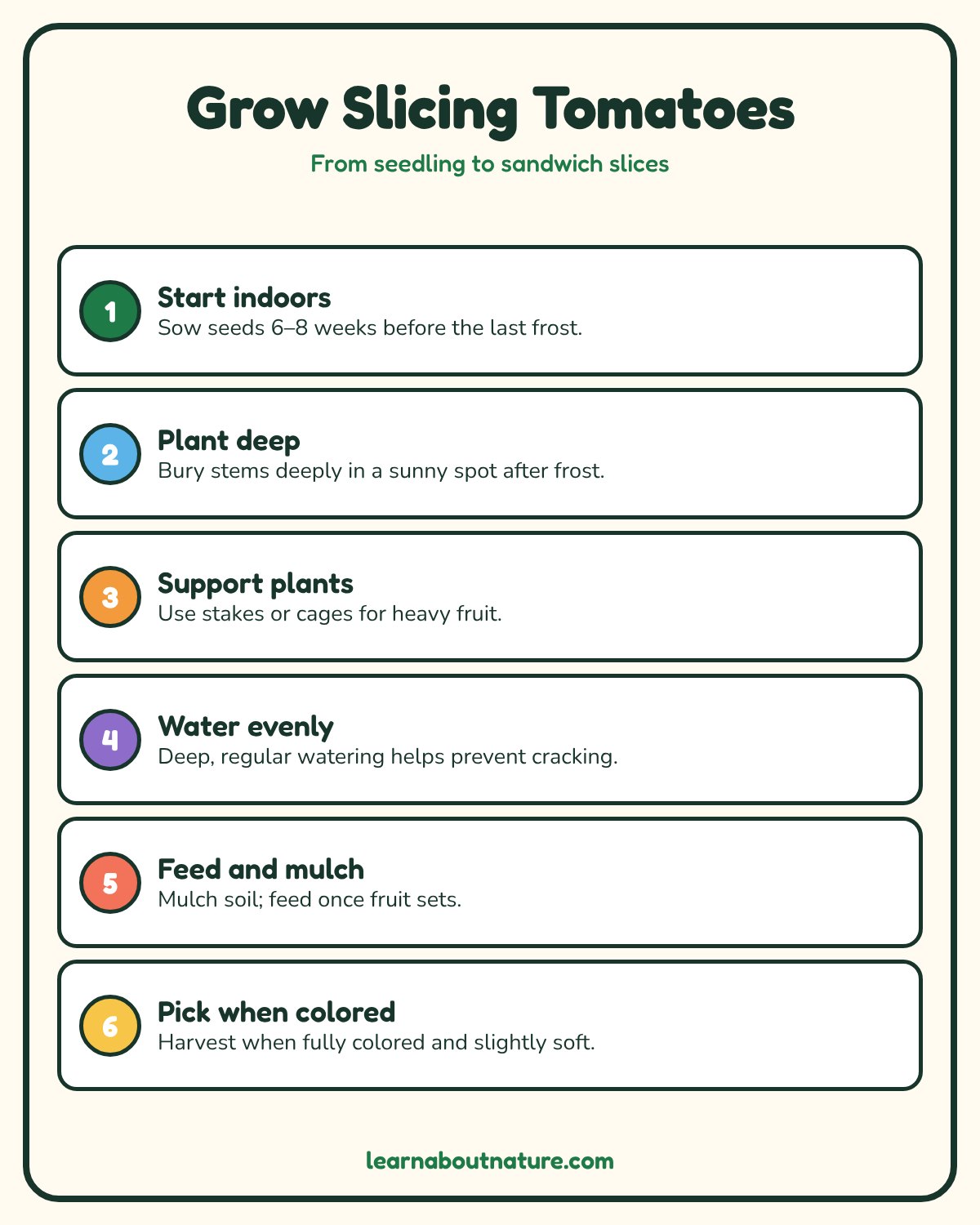
- While planting, set up cages or stakes. Stakes help the fruit to stay off the ground. And caging aids the plant to hold itself erect. Any type of arrangement for supporting the plant is a good idea. However rambling, gives a fine yield, provided you have sufficient area and good weather.
- Plant your seeds 2 ft. From each other.
- Remove few branches at the base of the transplants, and plant the root ball sufficiently deep in order that the other leaves are a little over the outside of the soil.
- In order to reduce dehydration, water properly.
Watering
- Since the tomato plants have long roots, you need to water them at the base. Whenever you water them, provide sufficient quantity of water. For the first few days, generously water your plant.
- All through the growing period, supply them with a good amount of water; Water them regularly giving 2’ of water a week during summer.
Temperature and Humidity
Keep your vessel with seeds either on a window where sunshine is available, or in a cold frame – the apt temperature is 65-75°F / 18 -21°C to get satisfactory yields from your tomato plants maintain the night temperature to 50°F (10°C) and the day temperature 85°F (29°C)
Care
- In order to sustain the dampness mulch your plants five weeks following transplanting them. Always keep up the level of moisture by constantly watering and mulching, to stop the tomatoes from developing cracks.
- Two weeks before and after the first picking of your tomatoes, fertilize the plant.
- When using a stake for support, make sure that only a pair of stem is growing on each stake, prune away the suckers from the plants.
- Rotate the crops each year, preventing diseases that have over-wintered (organisms that have survived the harsh winter and are now ready to bring diseases.)
Pests and Pesticides

Photo by: FoeNyx
Tomato plants are generally infested by white-flies. Hand pick the pests that live on the underside of the leaves. These pests are horn-worms and big green caterpillars that have diagonal stripes.
Late Blight is a fungal disease that infests the plant any time while it grows. This causes gray colored moldy blotches later turning brown in color. On account of the continuous damp weather this disease sustains and spreads. This disease persists even after winter so discard all the affected plants.
The tender shoots get narrowed and twisted and the foliage becomes malformed when the Tobacco Mosaic virus attacks them. The foliage gets blotched up in yellow color. Destroy the decease affected plants.
Gophers can damage the plants, or they may suffer from Fusarium or Verticillium wilt or from both. Pluck them and throw them out. These diseases exist in the soil, thus every year select a different location to plant your seeds and try other varieties that resist wilt and similar diseases.
Harvest Month and Storage
- The ideal time for picking is when your ripe tomato is when it turns red and firm, irrespective of its size, a little yellow persists around the stem. A ripe slicing tomato tastes excellent and is soft.
- In case your tomato plant continues to bear fruit despite the fear of initial hard frost appears, pluck the whole plant and suspend it headlong down in your garage or basement. As the tomatoes redden pick them.
- Make it a point never to refrigerate fresh tomatoes; this will affect the texture and flavor you receive from a garden tomato.
- For freezing untarnished tomatoes with fresh core keep them wholly in containers or freezer bags. Seal them, label and freeze them. While defrosting the skin tends to slip away.
Varieties
There are multiple varieties of tomatoes to accommodate the different weather and taste. Tomatoes grow in sizes ranging from small “currant” to “cherry” to Large “beef steak”. A few of the favorite varieties of tomatoes are given below.
- ‘Brandy wine’: a beef steak with a perfect combination of acid-sweet.
Several of these varieties are in the market
- ‘Amish paste’: Good slicers, large paste tomatoes.
- ‘Matt’s wild Cherry’: these cherries bear sufficient fruits during drought, in low or high temperatures or in rain, resistant to any climate.
Tomato FAQs
Where do tomatoes come from?
Tomatoes come from the Andes in South America. Mexicans started using them as food, and after the Spanish arrived people around the world came to know them.
Is a tomato a fruit or a vegetable?
A tomato is an edible fruit, specifically a red berry. In the kitchen, though, people usually treat it like a vegetable.
How do you know when a tomato is ripe?
A ripe slicing tomato is red and firm, with a little yellow left around the stem. It tastes best when it is soft and juicy, whatever its size.
Should you keep tomatoes in the fridge?
No. Refrigerating fresh tomatoes harms their texture and flavour, so keep garden tomatoes out of the fridge.
How much does a tomato weigh?
A standard tomato weighs about 100 grams. Sizes range from tiny currant tomatoes to large beefsteaks.

Randi Jones is the owner and founder of the Nature Gift Store, an online retailer specializing in nature-themed gifts, educational science projects, live animal nature kits and real butterfly artwork. A biology graduate who fell in love with insects, she founded the company in 2001 to make active learning about nature fun, accessible and engaging for children and adults. Her store offers real butterfly frames, home and garden decor and educational live animal kits, including ant farms, worm farms, tadpoles, ladybugs and hermit crabs, and she runs a bug museum in Washington featuring live animals like Eddie the Iguana alongside other reptiles and insects. Randi wrote most of the guides on this site. They first appeared on her long-running nature sites, including Monarch-Butterfly.com, Ladybug-Life-Cycle.com, Frog-Life-Cycle.com, Dragonfly-Site.com and Butterfly Pictures, which have now been brought together here at Learn About Nature.