Tortoises

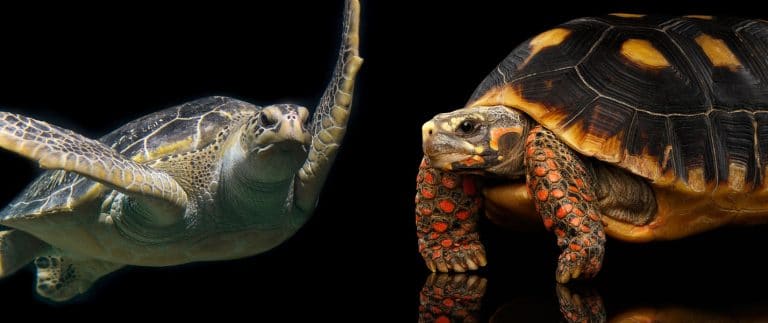
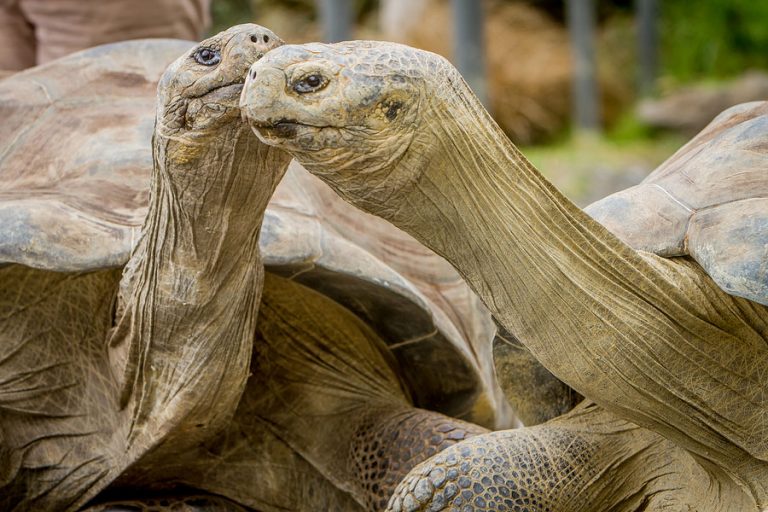
Tortoises are turtles that live entirely on land, and you can tell them apart by their feet and shells. Instead of flippers or webbed toes, tortoises have sturdy, elephant-like legs for walking, and most have a high, domed shell they can pull into for protection. They are mainly plant eaters and are famous for long lives: the giant Galapagos tortoise can live well over 100 years. Most are poor swimmers that only drink or soak in shallow water.

This category profiles land-dwelling species from the giant Aldabra tortoise to the small Greek and Hermann’s tortoises. Start with our tortoise facts, then read about the oldest tortoise or our pet tortoise guide for care advice.

  • Largest (Giant) Tortoises

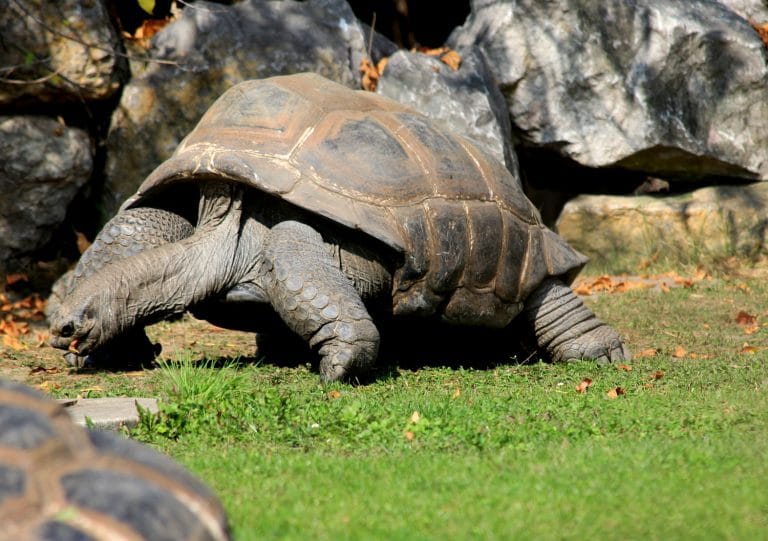
    Scientific Classification Kingdom:   Animalia Phylum:     Chordata Class:       Sauropsida Order:        Testudines Suborder:     Cryptodira Family:     Testudinidae Giant Tortoises are reptiles typical of some islands In the tropics. These tortoises often reach enormous proportions so far as size and weight are concerned. A giant tortoise can even weigh 300 Kilos or 660 lbs. They can also grow…
  • Leopard Tortoise – The Fourth Largest Tortoise in the World

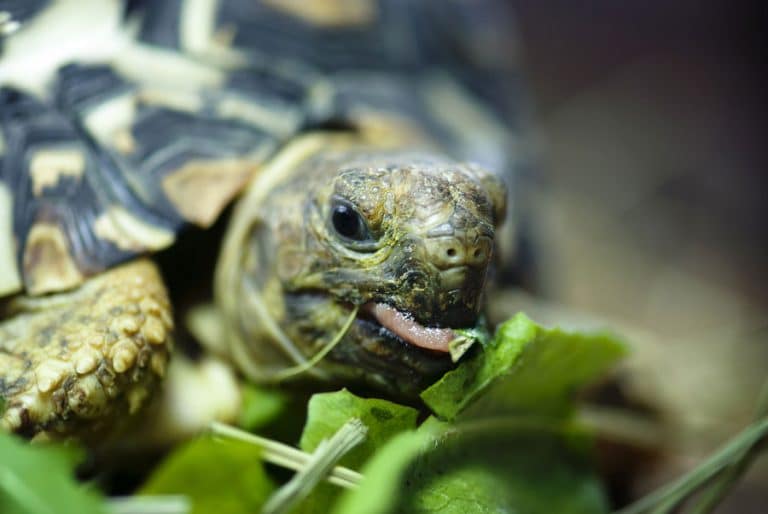
    Scientific Classification & Quick Facts Common name Leopard tortoise Scientific name Stigmochelys pardalis Kingdom Animalia Phylum Chordata Class Testudines Family Testudinidae Genus Stigmochelys Conservation status Least Concern Type Reptile (large tortoise) Diet Plant eater: grasses, flowers and leafy greens Habitat Semi-dry grassland and thorny bush Native range Eastern and southern Africa, from Sudan to South…

  • Indian Star Tortoise

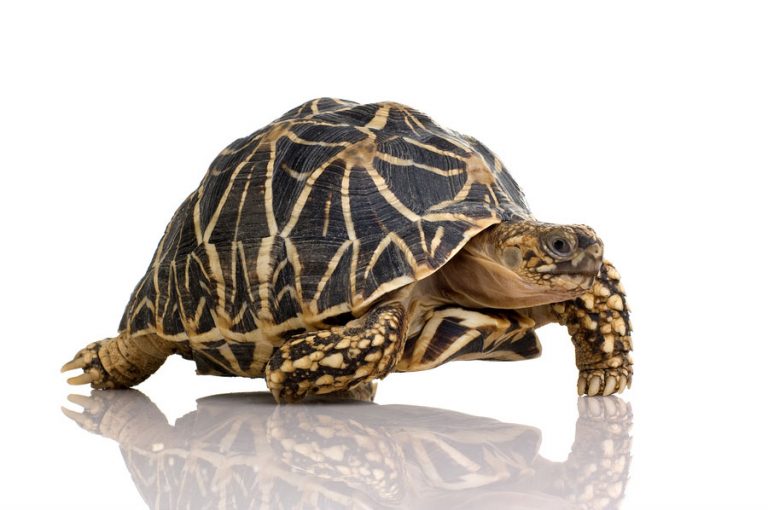
    Scientific Classification & Quick Facts Common name Indian star tortoise Scientific name Geochelone elegans Kingdom Animalia Phylum Chordata Class Testudines Family Testudinidae Genus Geochelone Conservation status Vulnerable Type Reptile (tortoise) Diet Leaves, grass, fallen fruit and flowers Habitat Dry areas and scrub forests Native range India, Sindh in Pakistan and Sri Lanka Size Up to…

  • Impressed Tortoise

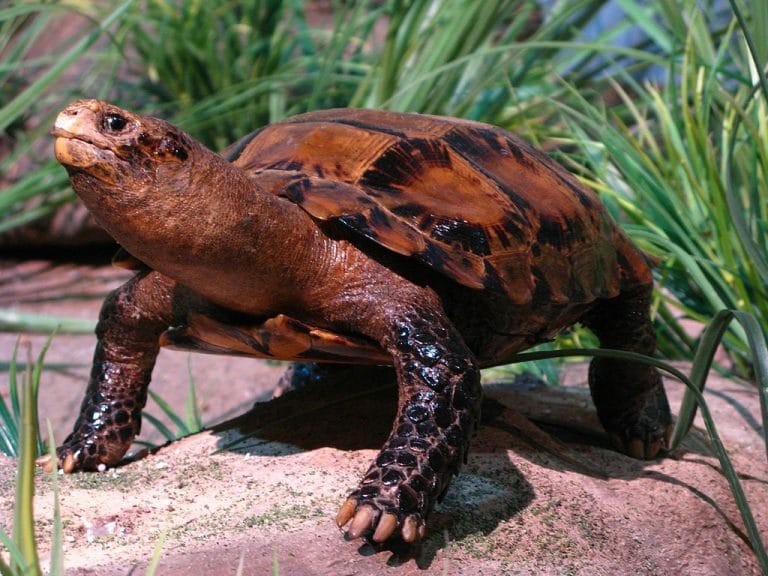
    Scientific Classification & Quick Facts Common name Impressed tortoise Scientific name Manouria impressa Kingdom Animalia Phylum Chordata Class Testudines Family Testudinidae Genus Manouria Conservation status Endangered Type Reptile (tortoise) Diet Bamboo shoots and mushrooms Habitat Mountain bamboo thickets and evergreen forests, up to 2,000 m Native range Southeast Asia, from Thailand and Malaysia to Vietnam…

  • Pet Tortoise

    You might have seen many people keeping dogs and cats as their pets. What about keeping a pet tortoise? It will be a different experience, full of fun, keeping them as a pet. If you love to do things differently then try a tortoise as your pet this time. Tortoises do make interesting pets.  Their…

  • Hermann’s Tortoise

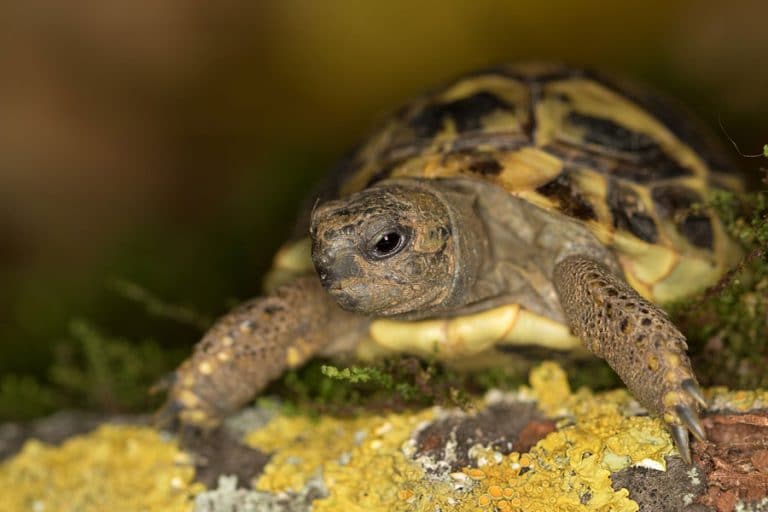
    Scientific Classification & Quick Facts Common name Hermann’s tortoise Scientific name Testudo hermanni Kingdom Animalia Phylum Chordata Class Testudines Family Testudinidae Genus Testudo Conservation status Vulnerable Type Reptile (small tortoise) Diet Weeds and greens such as dandelion, clover and mallow Habitat Rocky hill slopes, Mediterranean oak forests, dry land Native range Southern Europe, from Spain…

  • Greek Tortoise

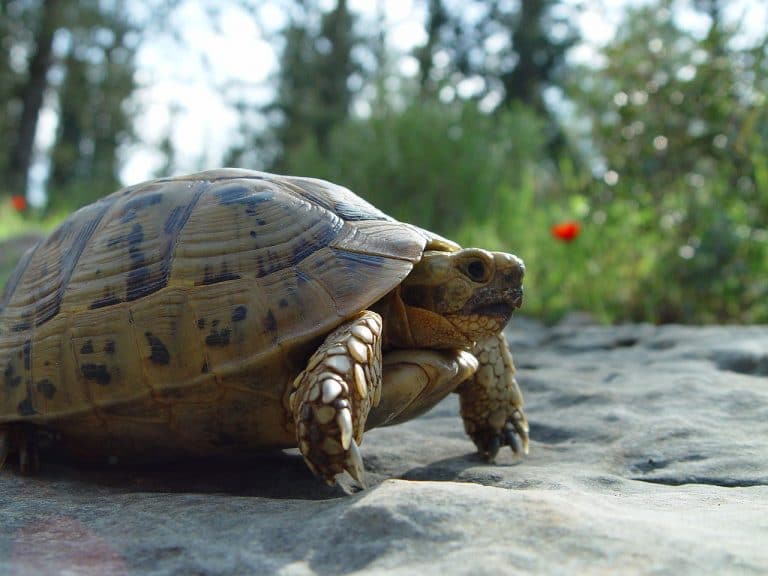
    Scientific Classification & Quick Facts Common name Greek tortoise Scientific name Testudo graeca Kingdom Animalia Phylum Chordata Class Testudines Family Testudinidae Genus Testudo Conservation status Vulnerable Type Reptile (tortoise) Diet Sparse grasses and plants Habitat Hot, dry places from coastal dunes to rocky steppes Native range Southern Spain, Eastern Europe, North Africa, Middle East Size…

  • Galapagos Tortoise

    Scientific Classification & Quick Facts Common name Galapagos tortoise Scientific name Chelonoidis niger Kingdom Animalia Phylum Chordata Class Testudines Family Testudinidae Genus Chelonoidis Conservation status Extinct Type Reptile (giant tortoise) Diet Cactus, leaves, grasses, vines and fruit Native range Galapagos Islands, about 1,000 km west of Ecuador Size Over 1.8 m (5.9 ft) long Weight…

  • Gopher Tortoise

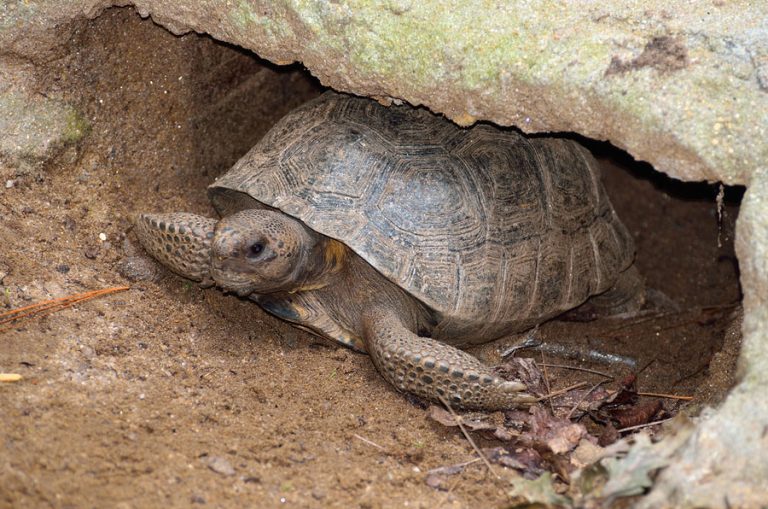
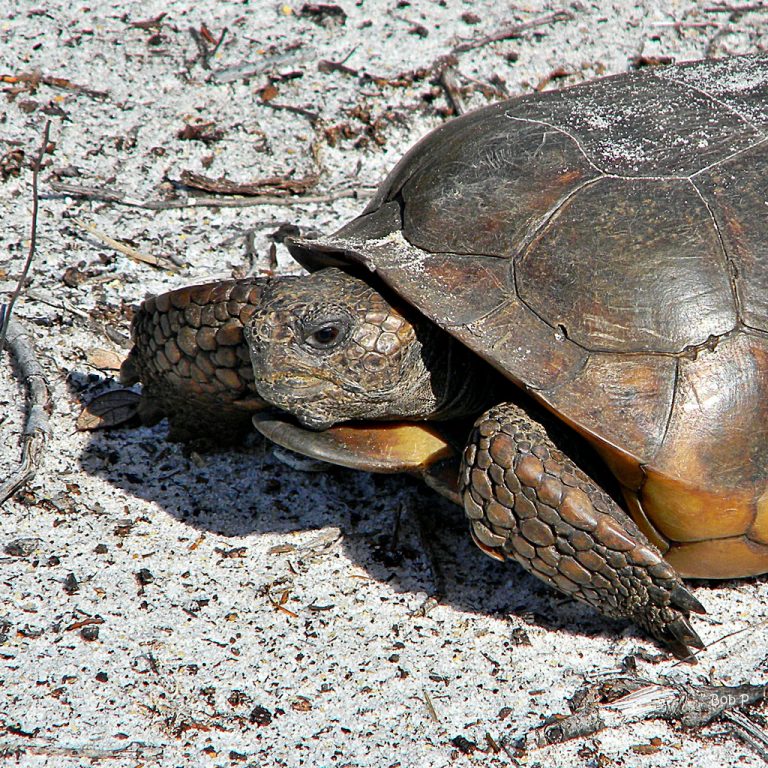
    Scientific Classification & Quick Facts Common name Gopher tortoise Scientific name Gopherus polyphemus Kingdom Animalia Phylum Chordata Class Testudines Family Testudinidae Genus Gopherus Conservation status Critically Endangered Type Reptile (tortoise) Diet Short grasses, legumes, and prickly pear flowers and fruit Habitat Sandy uplands, pastures, forests and yards Native range Southeastern United States, from Florida to…

  • Egyptian Tortoise

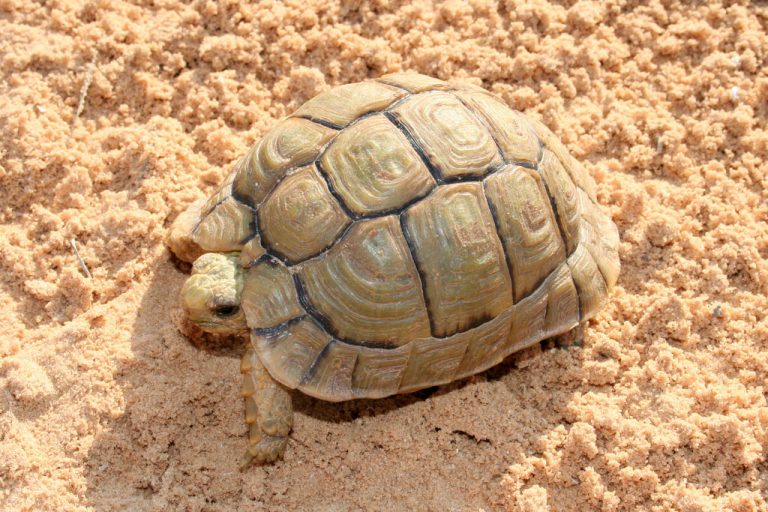
    Scientific Classification & Quick Facts Common name Egyptian tortoise Scientific name Testudo kleinmanni Kingdom Animalia Phylum Chordata Class Testudines Family Testudinidae Genus Testudo Conservation status Critically Endangered Type Reptile (tiny tortoise) Diet Green leaves, grasses and desert plants Habitat Dry sandy and gravelly deserts near the coast Native range Northern Egypt, Libya and Israel Size…

  • Elongated Tortoise

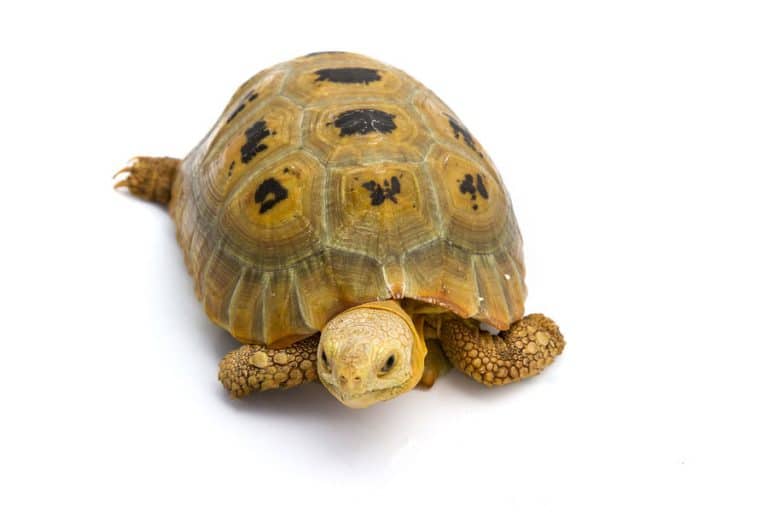
    Scientific Classification & Quick Facts Common name Elongated tortoise Scientific name Indotestudo elongata Kingdom Animalia Phylum Chordata Class Testudines Family Testudinidae Genus Indotestudo Conservation status Critically Endangered Type Reptile (tortoise) Diet Leafy greens, some fruit and mushrooms Habitat Humid teak forests Native range South and Southeast Asia, from northeast India to Malaysia Colours Caramel to…

  • Difference Between a Turtle and a Tortoise

    In biological terms, you often see that the words, ‘Tortoise,’ ‘Turtle,’ and ‘Terrapin’ are used one after another. Their habitat plays an important role in their classification. Without a doubt, they all belong to the common order of Chelonia, which has 244 species in it. The Americans consider turtles as aquatic or semi-aquatic Chelonians. Australians…