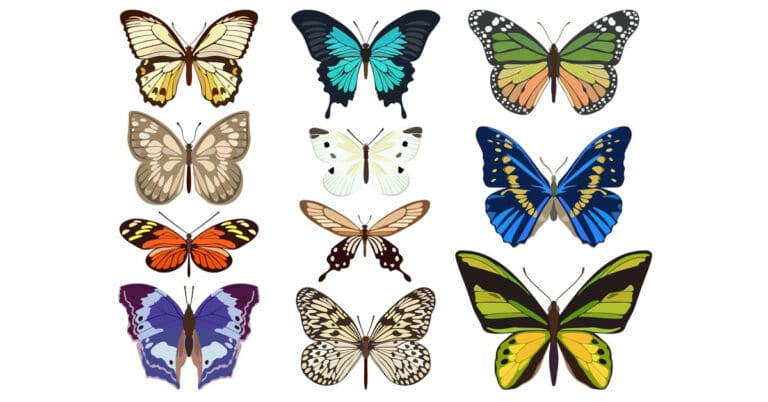
Butterfly Pictures: Blue Morpho Butterfly


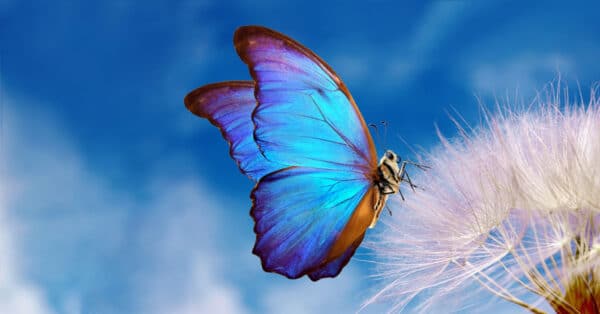
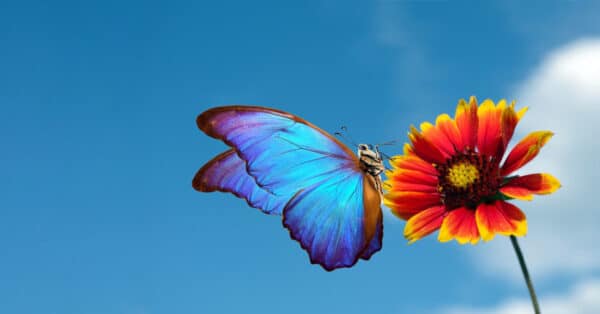
There are almost 24,000 species of butterflies in the world. One of the prettiest types of butterflies is the Blue Morpho butterflies. Not only is this beautiful butterfly one of the most sought after by collectors, but also just looking at its metallic-like wings is mesmerizing. While it appears that the Blue Morpho butterfly’s wings are metallic blue, they aren’t the color due to how the microscopic scales on the backs of their wings reflect light.
Blue morpho Quick Facts
| Common name | Blue morpho |
| Scientific name | Morpho |
| Kingdom | Animalia |
| Phylum | Arthropoda |
| Class | Insecta |
| Order | Lepidoptera |
| Family | Nymphalidae |
| Type | Insect (butterfly) |
| Diet | Caterpillars eat leaves; adults drink rotting fruit juice, sap, nectar |
| Habitat | Tropical forests, mostly the forest floor and low shrubs |
| Native range | Latin America, from Mexico to Colombia |
| Size | Wingspan of 5 to 8 inches |
| Colours | Bright blue on top, dull brown underneath |
| Special feature | Blue colour comes from tiny wing scales, not pigment |

“Eyespots” on the underside of a Blue Morpho’s wings.
The underside of the Blue Morpho’s wings is a dull brown with many different sized eyespots. Eyespots serve as a defense mechanism against all sorts of predators like insects and birds. If you get a chance to see a blue morpho butterfly fly, you will notice that the contrasting brilliant blue of the top wings against the dull brown of the underside of the wings almost makes it look like the butterfly is appearing and disappearing. This is one way that the butterflies distract their predators.
How Big Are Blue Morpho Butterflies?
One fun fact about these beautiful butterflies is that they are some of the largest butterflies in the world; their wingspan ranges from five to eight inches easily, which in the butterfly world is huge.

Where Do Blue Morpho Butterflies Live?
Another cool thing to know about these beautiful insects is the fact that Blue Morphos’ habitat is the tropical forests of Latin America all the way from Mexico to Colombia and the adult Blue Morpho�s usually spend their time on the forest floor or tucked away in the lower shrubs and trees. This is usually where they will rest, their wings folded upward so their brilliant blue is hidden away and they are camouflaged from their predators.
Explore next

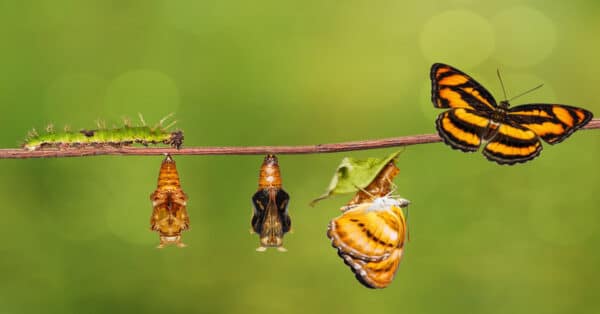
What Do Blue Morpho Butterflies Eat?
The diet of Blue Morpho changes throughout their life. As a caterpillar, the Morpho, as many other caterpillars, will chew on the leaves of plants. They particularly like the plants of the pea family. When the caterpillar turns into an adult, its diet changes drastically. The adult Blue Morpho’s can no longer chew and instead they need to drink all of their meals. Blue Morpho’s are one of the many butterflies that besides flower nectar will make rotting fruit juices, the fluids from decomposing animals, fungi, wet mud and tree sap part of their diet.
So as you can see, these butterflies are not only beautiful to look at but they are very interesting. If you ever get a chance to see these beautiful insects in action, you should definitely take advantage of it and get some pictures. These butterflies are something else and they deserve to be admired.
Blue morpho FAQs
Why are blue morpho butterflies blue?
Their wings are not coloured by pigment. Microscopic scales on the wings reflect light in a way that makes them look metallic blue.
How big are blue morpho butterflies?
They are among the largest butterflies in the world, with a wingspan of about 5 to 8 inches.
Where do blue morpho butterflies live?
They live in the tropical forests of Latin America, from Mexico to Colombia. Adults rest on the forest floor or in low shrubs and trees.
What do blue morpho butterflies eat?
Caterpillars chew leaves, especially from plants in the pea family. Adults drink rotting fruit juice, tree sap, mud, fungi and flower nectar.
What are the spots on the underside of a blue morpho’s wings?
They are eyespots. They help protect it from predators like birds and insects. The dull brown underside also helps it hide with its wings folded.

Randi Jones is the owner and founder of the Nature Gift Store, an online retailer specializing in nature-themed gifts, educational science projects, live animal nature kits and real butterfly artwork. A biology graduate who fell in love with insects, she founded the company in 2001 to make active learning about nature fun, accessible and engaging for children and adults. Her store offers real butterfly frames, home and garden decor and educational live animal kits, including ant farms, worm farms, tadpoles, ladybugs and hermit crabs, and she runs a bug museum in Washington featuring live animals like Eddie the Iguana alongside other reptiles and insects.