Butterfly Caterpillars

Caterpillar pictures
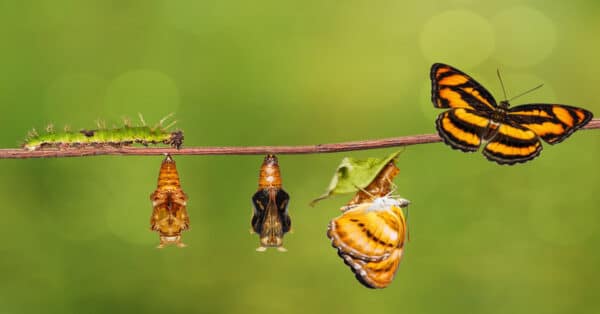
The transformation of the frequently ugly or bizarre caterpillar into an elegant butterfly is truly one of the regularly performed miracles of nature. For an even closer view, you can buy butterfly kits to raise Painted Lady Butterflies from caterpillars to adults, right in your home.
 |  |  |  |
 |  |  |  |
 |  |  |  |
 |  |  |  |
Common caterpillars and what they eat
Anise Swallowtail Caterpillar
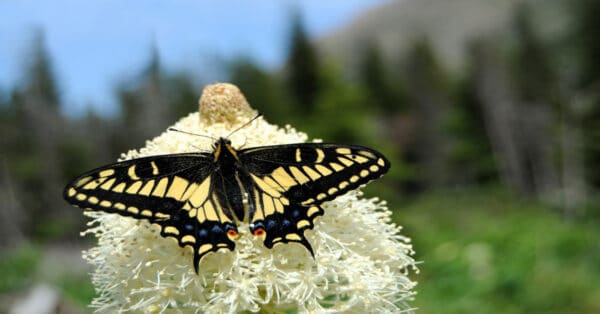
Found in western North America, anise swallowtail caterpillars feed on plants in the carrot family, such as fennel and wild anise.

Black Swallowtail Caterpillar
Look for these on parsley, dill, fennel and carrot leaves – they are common visitors to vegetable and herb gardens.

Buckeye Caterpillar
Buckeye caterpillars feed on plantains, snapdragons and related plants.

Cloudless Sulphur Caterpillar
Cloudless sulphur caterpillars eat the leaves of senna plants, including partridge pea.

Eastern Tiger Swallowtail Caterpillar
They feed on tulip tree, wild cherry and ash leaves. Young caterpillars look like bird droppings, which helps keep them safe.

Fritillary Caterpillar
Gulf and variegated fritillary caterpillars feed on passionflower vines, while many other fritillaries eat violets.

Cabbage White Caterpillar
These green caterpillars eat cabbage, kale, broccoli and other brassicas, which makes them a well-known garden pest.

Monarch Caterpillar
Monarch caterpillars eat only milkweed. Toxins from the plant make them taste bad to birds and other predators.

Mourning Cloak Caterpillar
Mourning cloak caterpillars feed in groups on willow, elm, birch and poplar trees.

Painted Lady Caterpillar
Painted lady caterpillars eat thistles, mallows and hollyhocks, and they are the species most often raised in classroom butterfly kits.

Explore next


Question Mark Caterpillar
Question mark caterpillars feed on elm, hackberry and nettles.

Red Admiral Caterpillar
Red admiral caterpillars feed on stinging nettles and hide inside leaves they fold together with silk.

Red-Spotted Purple Caterpillar
They feed on wild cherry, willow and poplar, and like young tiger swallowtails they look a lot like bird droppings.

Spicebush Swallowtail Caterpillar
Spicebush swallowtail caterpillars eat spicebush and sassafras. The big false eyespots behind their heads help scare off predators.

Viceroy Caterpillar
Viceroy caterpillars feed on willows and poplars. The adult butterfly looks very similar to a monarch.

Zebra Swallowtail Caterpillar
Zebra swallowtail caterpillars feed only on pawpaw trees.

Butterfly Caterpillars FAQs
How can I identify a butterfly caterpillar?
Look at the caterpillar’s colors, stripes, spots, spines or horns, and note the plant it is eating. Many caterpillars feed on only one plant family, so the host plant is a strong clue. Field guides and online caterpillar identification resources can help you match what you see.
What do caterpillars eat?
Most butterfly caterpillars eat leaves of specific host plants. Monarchs eat only milkweed, black swallowtails eat plants in the carrot family such as parsley and dill, and painted ladies feed on thistles and mallows. Planting host plants is the best way to attract caterpillars to a garden.
Are caterpillars harmful to touch?
Most butterfly caterpillars are harmless to touch, but some moth caterpillars have stinging hairs or spines that can cause painful rashes. If you are unsure what kind of caterpillar it is, avoid handling it with bare hands and wash your hands afterward if you do touch one.
Why do some caterpillars look like bird droppings?
Young caterpillars of species such as the eastern tiger swallowtail, giant swallowtail and red-spotted purple are mottled brown and white, resembling bird droppings. This camouflage helps protect them because predators such as birds are unlikely to try to eat something that looks like waste.
How long do caterpillars stay caterpillars?
Many butterfly caterpillars feed and grow for about two to four weeks in warm weather, molting several times before forming a chrysalis. The exact time depends on the species, temperature and food supply, and some species spend the winter as caterpillars.

Randi Jones is the owner and founder of the Nature Gift Store, an online retailer specializing in nature-themed gifts, educational science projects, live animal nature kits and real butterfly artwork. A biology graduate who fell in love with insects, she founded the company in 2001 to make active learning about nature fun, accessible and engaging for children and adults. Her store offers real butterfly frames, home and garden decor and educational live animal kits, including ant farms, worm farms, tadpoles, ladybugs and hermit crabs, and she runs a bug museum in Washington featuring live animals like Eddie the Iguana alongside other reptiles and insects. Randi wrote most of the guides on this site. They first appeared on her long-running nature sites, including Monarch-Butterfly.com, Ladybug-Life-Cycle.com, Frog-Life-Cycle.com, Dragonfly-Site.com and Butterfly Pictures, which have now been brought together here at Learn About Nature.