Blog

  • Heliamphora

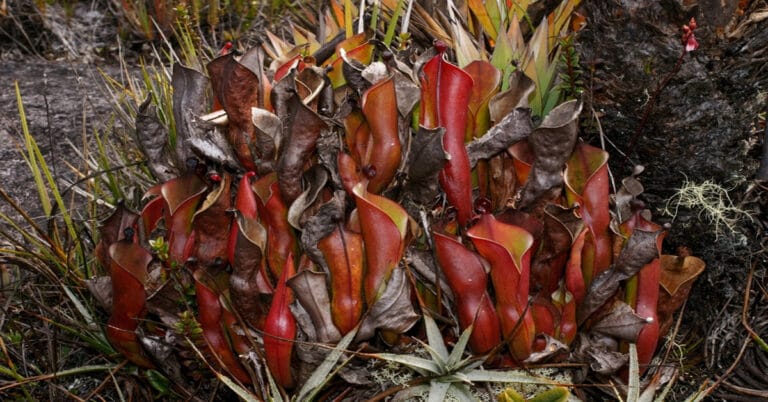
    Heliamphora is a group of carnivorous pitcher plants that grow only on the misty, rain-soaked mountains of northern South America. Often called “sun pitchers” or “marsh pitchers,” these plants catch insects in tube-shaped leaves filled with rainwater. Sun pitcher Quick Facts Common name Sun pitcher Scientific name Heliamphora Kingdom Plantae Phylum Tracheophyta Class Magnoliopsida Order…
  • Drosophyllum Lusitanicum

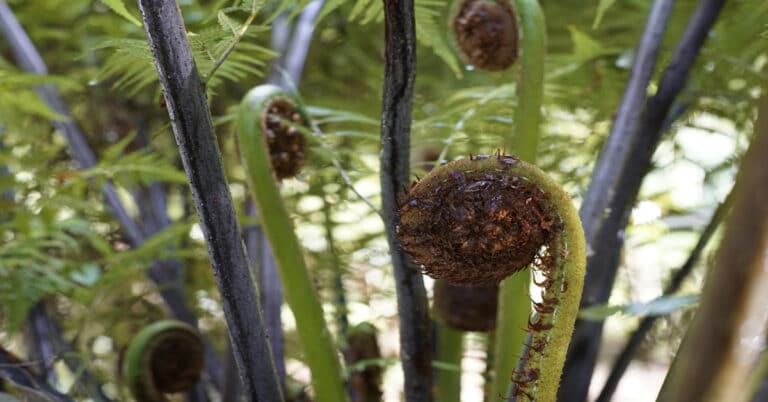
    Drosophyllum is a type of carnivorous plant having a single genre, Drosophyllum lusitanicum (Portuguese sundew or dewy pine). It looks akin to the related group Drosera (the sundews) and to the more distant cousin Byblis (the rainbow plants). Portuguese sundew Quick Facts Common name Portuguese sundew Scientific name Drosophyllum lusitanicum Kingdom Plantae Phylum Tracheophyta Class Magnoliopsida Order Caryophyllales…

  • Western Australian Pitcher Plant

    Cephalotus follicularis is the single specie of the genus Cephalotus and they call it the pitcher plant. The adapted leaves form the pit-fall traps and many names exist for this plant, including, the flycatcher plant, the Albany pitcher plant, the moccasin plant, and the Western Australian pitcher plant. Western Australian pitcher plant Quick Facts Common name…

  • California Pitcher Plant

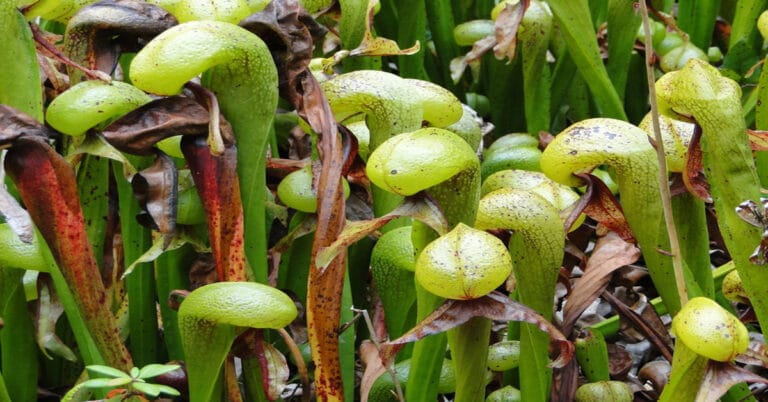
    Darlingtonia californica is also known as California pitcher plant, cobra plant, or cobra lily. Darlingtonia is a genus of animal-eating plant, the only member of the genre Darlingtonia from the family of the Sarraceniaceae. It inhabits Northern California and Oregon, grows in marshes, and seeps with cold running water. This plant has an unusual classification as due to its natural…

  • North American Pitcher Plant

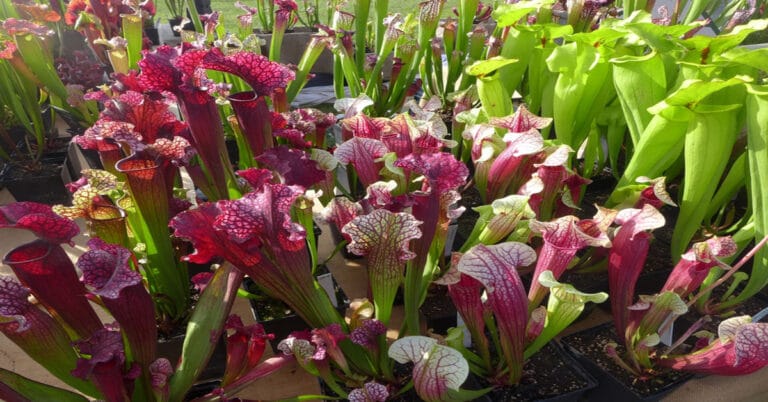
    The North American Pitcher plant or Sarracenia is a type of carnivorous plant that habits the great lakes, the eastern seaboard, Texas, and southeastern Canada, most of its varieties growing in the southeast states. North American pitcher plant Quick Facts Common name North American pitcher plant Scientific name Sarracenia Kingdom Plantae Phylum Tracheophyta Class Magnoliopsida Order Ericales…

  • Pitcher Plants

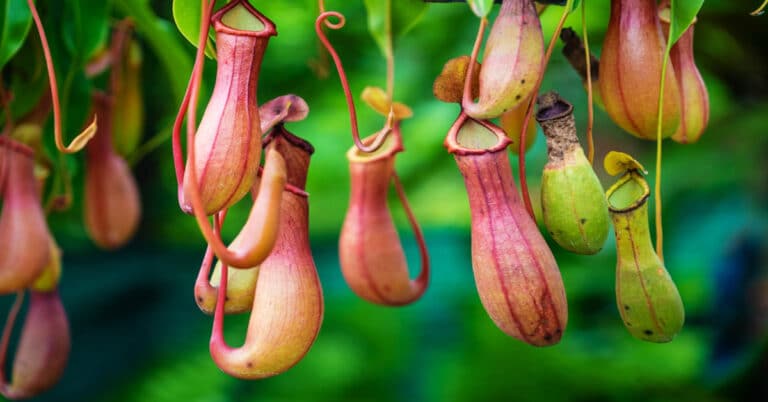
    Perhaps the Pitcher plant is the most mysterious leaf in the whole wide universe. With its unique ability to obtain food, it has inspired multitudes to reshape their concept of how nature really works. Kingdom Plantae (Plants) Subkingdom Embryophyta Division Tracheophyta (Vascular Plants) Subdivision Spermatophyta (Seed Plants) Class Angiosperms (Flowering Plants) Subclass Monocotyledons (Monocots) Families…

  • Venus Fly Trap

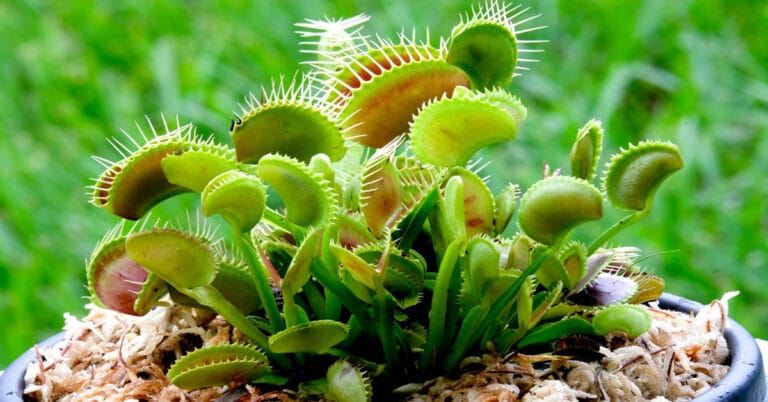
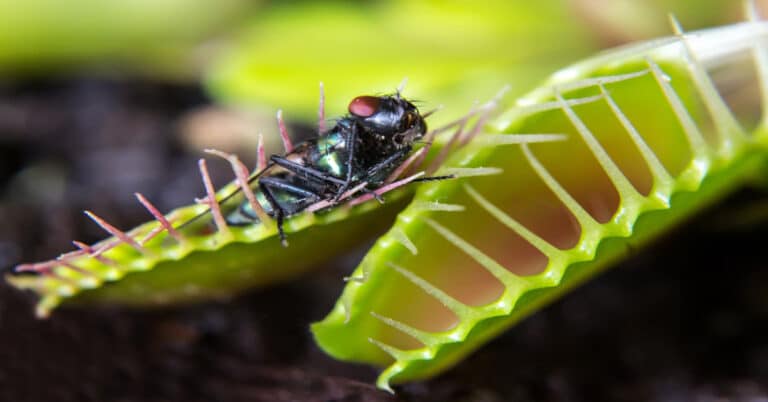
    The Venus flytrap (Dionaea muscipula) is a meat-eating plant that catches insects and spiders with snapping, jaw-like leaves. In the wild, it grows in only one small part of the world: the wet, boggy coastal plains of North and South Carolina in the United States. Venus flytrap Quick Facts Common name Venus flytrap Scientific name…

  • About Carnivorous Plants

    Carnivorous plants are meat-eating plants that need the nutrients from their natural growing conditions, like air, water, and soil, to live as well as the nutrients from the insects and other bugs and arachnids that they consume. Carnivorous plants grow naturally in swampy areas around the world where the water that is constantly running over…

  • Ground Squirrel

    You can literally find ground squirrels all over the world. They encompass all different types of squirrels, from the thirteen-lined ground squirrel to the Arctic squirrel to the Mohave ground squirrel. Mind you, these are only three out of very, very many. Naturally, of course, ground squirrels are different from tree squirrels. It is surprisingly easy…

  • Grey Squirrel

    We have all either heard of or seen Sciurus carolinensis – but you will likely know this little animal better as a grey squirrel, or a gray squirrel.  It simply depends on whether or not you like British spelling!  However you spell it, the facts and fundamentals of the animal remain the same.  The average length of the grey…

  • Red Squirrel

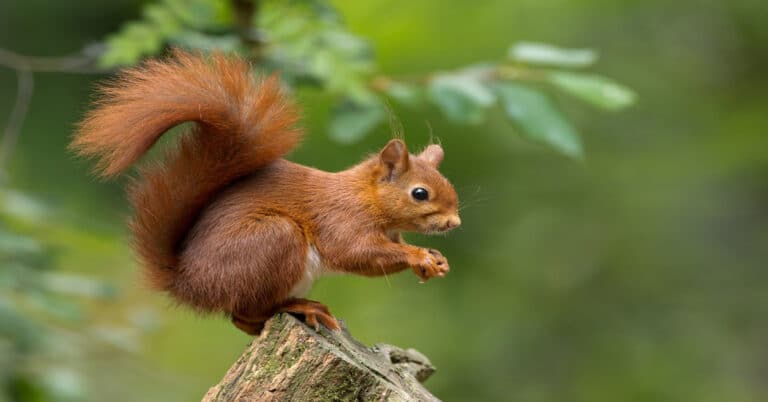
    This page describes the American red squirrel (Tamiasciurus hudsonicus) of North America, a very solitary little creature.  In fact, each red squirrel takes it upon himself or herself to defend a territory that ranges between two acres and five acres.  Not only are they defending the territory from other species of squirrels, namely grey squirrels, but…